
Quick take: Toyota’s updated bZ electric SUV has accelerated in the U.S. market, posting strong first-quarter sales after range, charging and interior upgrades.
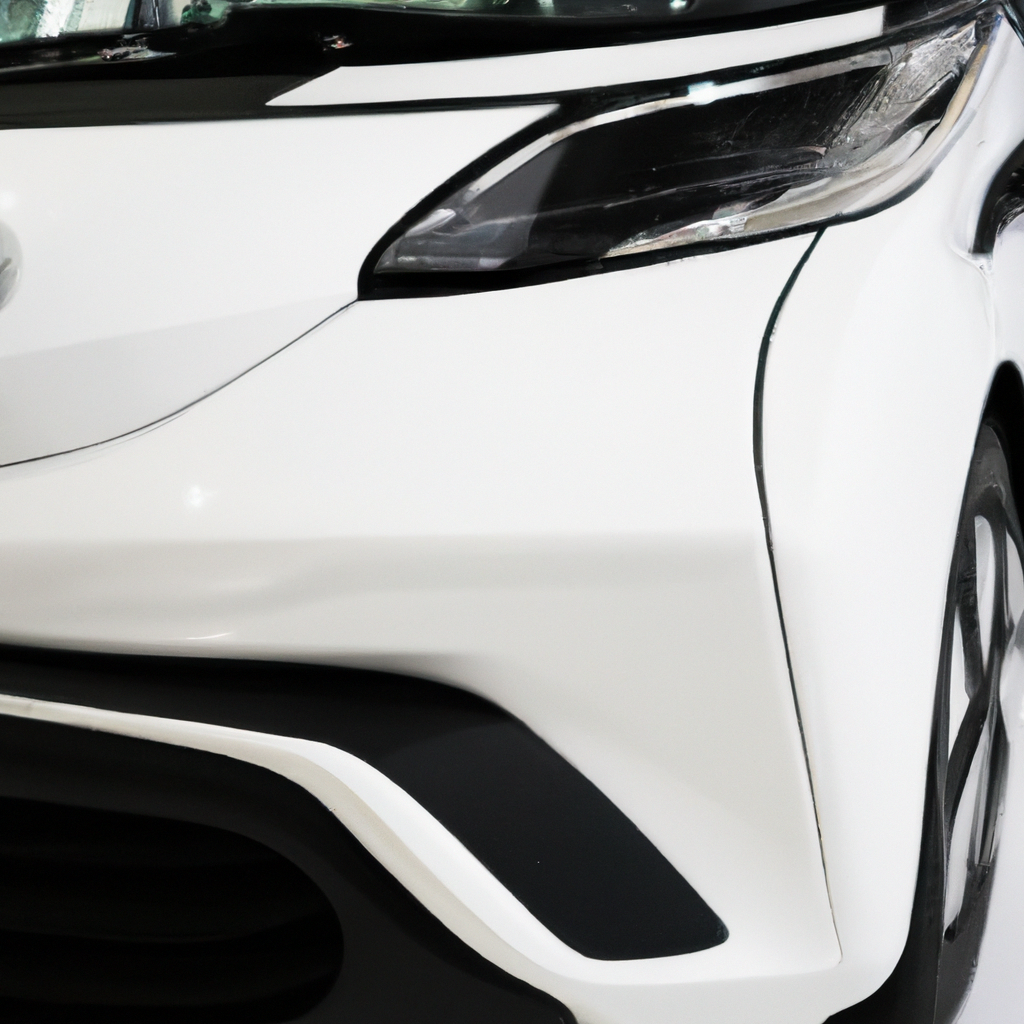
Sales snapshot: bZ overtakes Equinox in Q1
Toyota reported 10,029 bZ SUVs sold in the first three months of 2026, a 78.8% increase compared with Q1 2025. That figure slightly surpassed GM’s Chevy Equinox EV, which posted 9,589 units for the quarter, a year-over-year decline of about 7.2%.
What changed: updates that moved the needle
Toyota’s refreshed bZ addresses weaknesses from earlier models with several notable improvements:
- Longer driving range: The bZ now offers up to 314 miles on a single charge in its long-range configuration — roughly a 25% gain over the previous bZ4X.
- Wider public charging access: A built-in NACS port allows use of Tesla Superchargers, making it easier for owners to find fast chargers.
- Faster charging: The bZ can recover from about 10% to 80% in roughly 30 minutes under suitable DC fast-charging conditions.
- Interior and tech upgrades: Toyota added a larger 14″ multimedia touchscreen, wireless phone chargers, a 7″ driver cluster, heated front and rear seats, and updated dashboard design.
- Safety and features: Toyota’s Safety Sense 3.0 and improved regenerative braking come standard across the lineup.
Trim lineup and pricing overview
Toyota offers multiple bZ trims with different battery sizes, ranges and price points (manufacturer pricing excludes destination fees):
- XLE FWD: 57.7 kWh — ~236 miles — starts around $34,900
- XLE FWD Plus: 74.7 kWh — ~314 miles — starts around $37,900
- XLE AWD: 74.7 kWh — ~288 miles — starts around $39,900
- Limited FWD: 74.7 kWh — ~299 miles — starts around $43,300
- Limited AWD: 74.7 kWh — ~278 miles — starts around $45,300
How Toyota compares across the EV segment
While Toyota’s EV lineup is smaller than GM’s, the company now sells several electric SUVs in the U.S. — the bZ, C‑HR and bZ Woodland — with a three-row Highlander BEV expected later in the year. Lexus’ RZ also saw a sales jump, rising to about 4,456 units in Q1. Several competing luxury EVs posted lower volumes in the same period.
Incentives and dealer offers
To accelerate adoption, Toyota dealers offered incentives on new electric SUVs, including discounts up to $7,000 and occasional 0% APR financing promotions, helping lower the effective price for buyers.
Why this matters
Toyota’s bZ performance shows how product improvements — longer range, broader charging access and stronger in-car tech — can quickly change consumer response. The bZ’s gains signal that established automakers can compete in volume EV sales when they address practical customer concerns and charging convenience.
Outlook
It’s still early in 2026, but the bZ’s momentum raises questions about how sales rankings will settle by year-end. Continued demand for the C‑HR and bZ Woodland, plus the upcoming Highlander BEV, will determine whether Toyota sustains its rise in the U.S. EV market.
Conclusion
Toyota’s refreshed bZ SUV made rapid gains in Q1 2026 by improving range, charging access and interior features. Those changes helped the bZ crack the upper tier of U.S. EV sales and showed how adjustments to product and charging strategy can drive swift market movement.