
Solar energy is breaking records and reshaping electricity markets — from massive national rollouts to neighborhood savings. Here’s what’s driving the surge and what it means for consumers and grids.
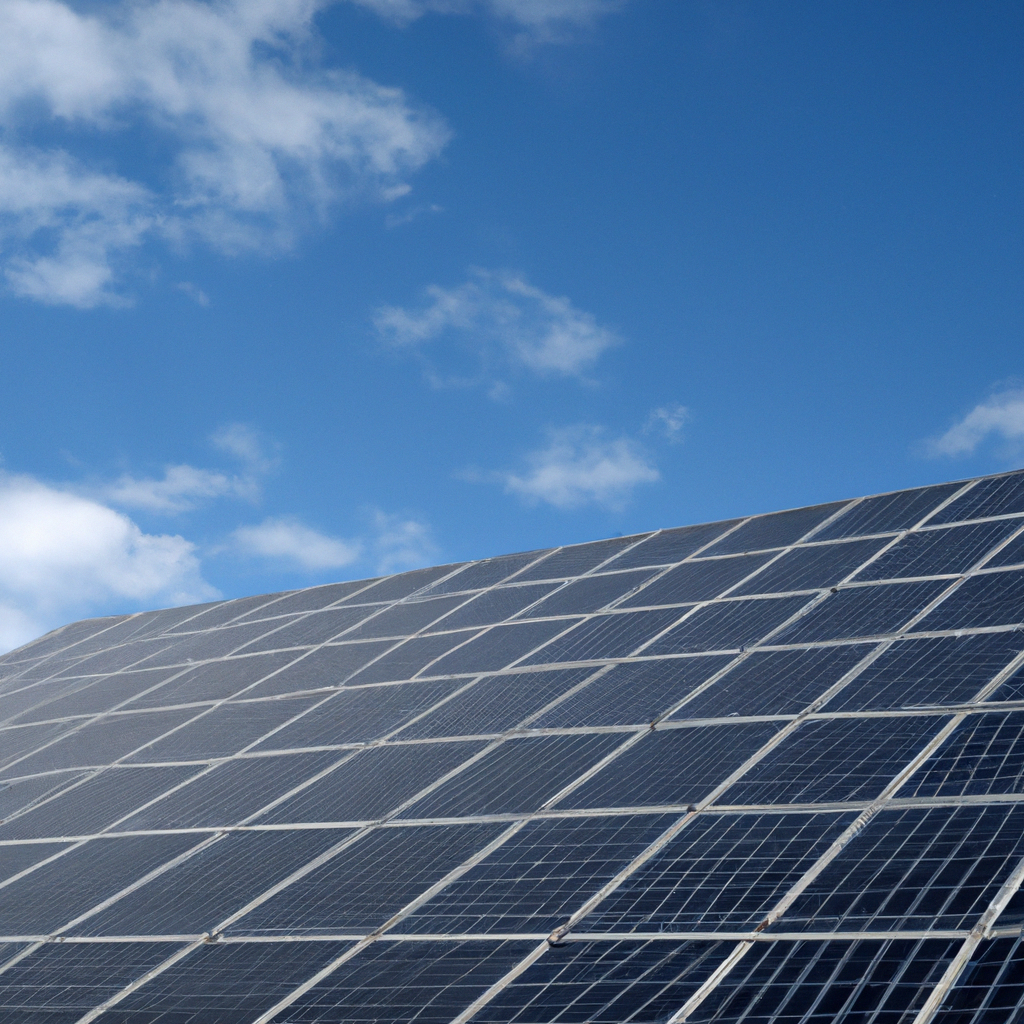
Global growth in clear numbers
Solar capacity is expanding fast. Estimates suggest global solar could reach about 9,000 GW by 2030, supplying more than 20% of world energy demand if growth continues. Several countries are already posting major gains:
- China: Installed roughly 315 GW in 2025, lifting total capacity to near 1,300 GW and supplying about 11% of its electricity from solar.
- European Union: Around 406 GW of solar capacity, covering roughly 13% of EU electricity — with nations like Greece, Cyprus, Spain and Hungary exceeding 20% from solar in some cases.
- United States: About 267 GW of solar capacity (roughly 8% of electricity), and forecasts call for another ~41.5 GW of utility-scale solar by early 2027, plus planned battery additions of about 22.7 GW.
- India, Japan and Brazil: India at ~136 GW (≈8%), Japan ~103 GW (≈11%), and Brazil producing about 10% of its electricity from solar — with Brazil’s combined renewables (hydro, wind, biomass) reaching ~88%.
- Emerging gains: Countries such as Pakistan and South Africa moved from under 1% solar in 2015 to roughly 20% and 10% respectively a decade later.
Why solar is becoming the cheapest option
Two factors make solar especially powerful: steadily falling costs and virtually free fuel. Sunlight requires no extraction, transport, or fuel purchase once panels are installed, so operational costs are low.
- In sun-rich regions, the levelized cost of solar can be as low as about 1 cent per kWh; in less sunny markets like Germany it ranges nearer 4–5 cents per kWh.
- Comparative estimates show much higher costs for thermal and nuclear generation: typical reported ranges put nuclear between roughly 14–49 cents/kWh, coal around 15–29 cents/kWh, and natural gas about 15–33 cents/kWh in some analyses.
Real-world impacts: a community example
Beyond headlines, local installations show tangible benefits. A San Diego church installed a 55 kW solar array under a power purchase agreement (PPA). Initial projections estimated annual savings of $25,000; after utility rate increases the site is now saving nearly $40,000 a year. Those savings freed funds for building maintenance, improved youth programs, and hiring additional staff — illustrating how solar can redirect utility spending into community services.
Challenges and market realities
Growth isn’t without obstacles:
- Land availability — covering even a small percentage of Earth’s surface is complicated by oceans, protected lands, and competing uses.
- Aesthetics and local permitting can slow projects; installation and approval timelines matter.
- Supply chain concentration — about 80% of panels are manufactured in China, which raises trade and industrial-policy tensions in other countries.
- Thermal generation will remain part of many grids for years, so the transition requires managing intermittency and integrating storage and grid upgrades.
Why this matters
Solar’s rapid cost declines and large-scale deployments alter energy economics and climate outcomes. Key reasons it matters:
- Lower electricity bills: Cheaper wholesale generation and on-site systems reduce operating costs for businesses, nonprofits, and households.
- Energy independence: Local generation cuts dependence on imported fuels and volatile commodity markets.
- Climate impact: Replacing coal and gas with solar reduces emissions and supports national climate goals.
- Economic shifts: Investment flows and jobs move toward renewables, while incumbent fuel industries face disruption.
What comes next
To maximize benefits, policymakers and industry will need to accelerate grid modernization, support storage deployment, streamline permitting, and diversify manufacturing. Combined with continued cost declines, these steps can help solar reach a larger share of electricity while maintaining reliability.
Conclusion
Solar energy is no longer niche: record installations, competitive costs, and real savings for organizations and households show it can play a central role in our energy future. The sun is a free, abundant resource — scaling deployment and pairing it with storage and smarter grids will determine how fast societies capture the benefits.