
The solar industry is witnessing a significant collaboration as Thornova Solar announces the integration of Nextpower’s steel frames into some of its solar panel bills of materials (BOMs). This strategic move focuses on addressing mechanical challenges and boosting the quality and resilience of solar modules across the United States.
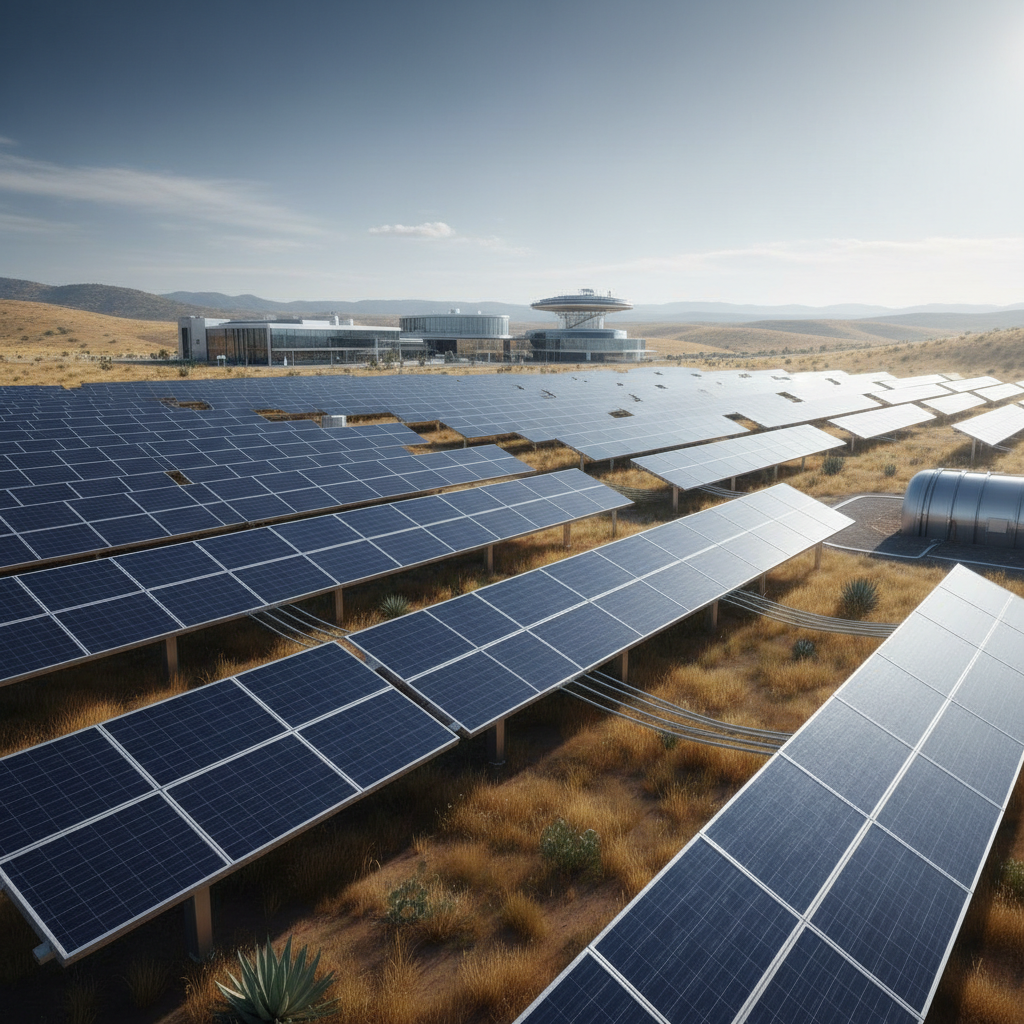
Nextpower’s Universal Steel Module Frames
Nextpower has developed a universal steel module frame designed to be highly compatible with both tracker and fixed-tilt mounting systems commonly used in solar installations. These steel frames offer several advantages over conventional designs such as:
- Reducing module deflection
- Lowering the risk of glass breakage
- Improving resistance to uplift tear-out during high wind events
These benefits are particularly valuable in storm-prone and high-wind regions like the U.S. Midwest and Southeast, where durability and reliability are paramount.
Strategic Benefits for Thornova Solar
Andrea Bodenhagen, Thornova Solar’s global marketing director, emphasized that incorporating U.S.-made steel frames enhances the company’s ability to deliver high-performance solar modules tailored for the evolving domestic market. The collaboration supports stronger supply chain resilience and enables customers to maximize domestic content, which ultimately helps improve project economics.
Thornova plans to deploy Nextpower’s steel frames selectively across its utility-scale and commercial & industrial (C&I) module series as part of its expanding U.S. manufacturing capacity.
Addressing Structural Demands in Solar Projects
Nextpower’s vice president and general manager, Jenya Meydbray, highlighted that steel frames address critical mechanical challenges such as module deflection, glass breakage risk, and uplift forces — issues that are particularly pressing in demanding environments. By utilizing Nextpower’s U.S.-manufactured frame technology, Thornova aims to offer solar modules that meet the structural and durability requirements across diverse U.S. solar projects.
Why This Matters
This partnership is a significant step towards improving the resilience and reliability of solar power infrastructure in the U.S., especially given the increasing frequency of extreme weather events. It also underscores the importance of strengthening domestic manufacturing capabilities amidst growing demand for renewable energy solutions. By localizing production inputs and enhancing component quality, both companies contribute to advancing efficient and durable solar energy systems.
Conclusion
The integration of Nextpower’s steel frames into Thornova Solar’s manufacturing process marks a promising development for the U.S. solar industry. This collaboration not only improves the durability and performance of solar modules but also supports the broader goal of supply chain resilience and economic viability in renewable energy projects. As demand for solar energy continues to grow, innovations like these play a crucial role in building a sustainable energy future.