
Biometric technology is transforming security and identification processes worldwide. By using unique biological identifiers such as fingerprints, facial recognition, and voice verification, industries are enhancing authentication methods to be more secure, efficient, and user-friendly.
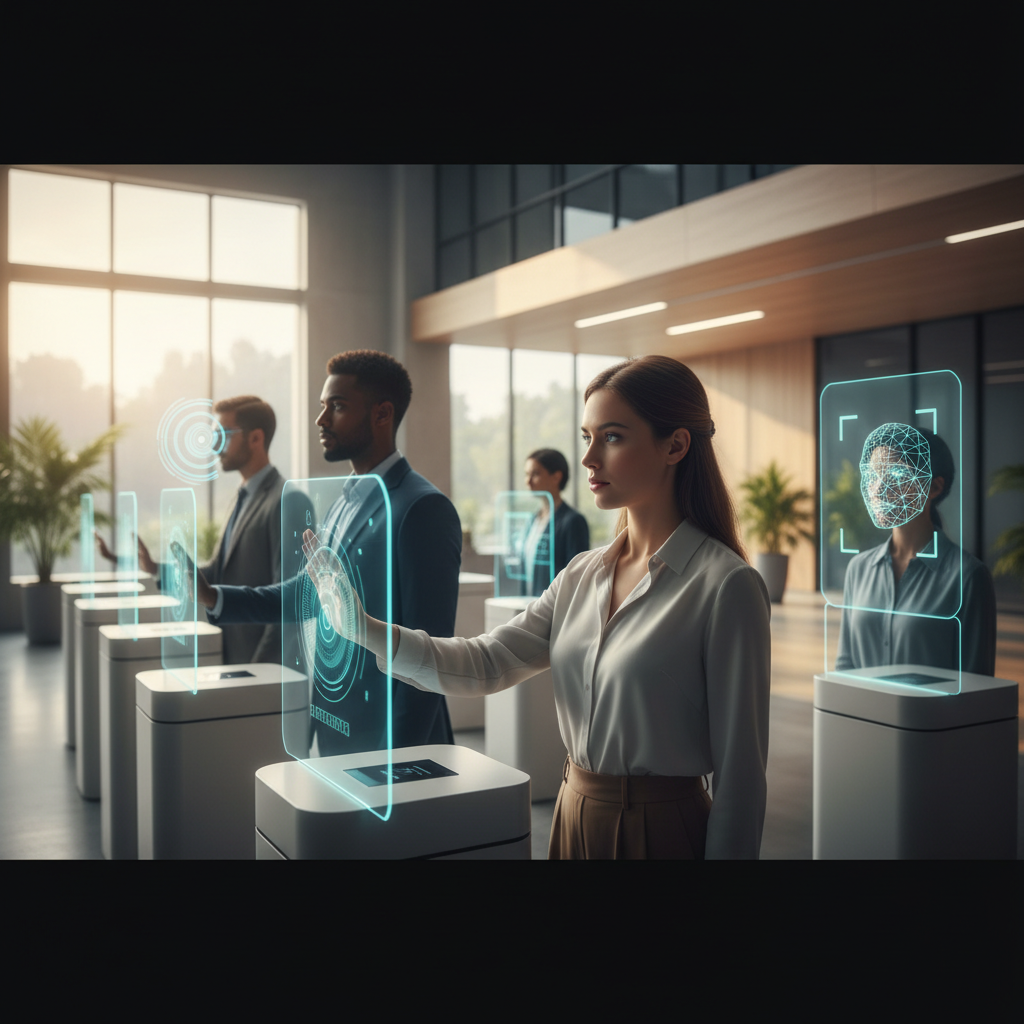
Emergence of Biometric Technology
Biometric systems leverage distinct physical or behavioral traits for user authentication, replacing traditional password-based systems. This shift enables smoother and more reliable verification across multiple applications, significantly reducing fraud and enhancing cybersecurity.
Key Applications of Biometric Verification Systems
- Banks and Financial Security: Many financial institutions use fingerprint and facial recognition technologies to authorize transactions, safeguarding accounts from unauthorized access.
- Healthcare and Patient Identification: Biometric tools help ensure accurate patient identification and improve medical record management, reducing errors and safeguarding sensitive information.
- Border Security and Immigration: Airports and border control agencies employ biometric systems combining facial and fingerprint scans to verify identities quickly, boosting national security and streamlining travel.
- Smartphones and Consumer Electronics: Devices increasingly feature fingerprint sensors and facial recognition to provide secure access and simplify authentication for users.
- Workplace Access Control: Companies are adopting biometric systems to control employee entry into restricted areas, eliminating the need for ID cards and passwords.
Emerging Technologies Enhancing Biometrics
- Artificial Intelligence and Machine Learning: AI and ML improve biometric accuracy and reduce false positives through advanced pattern recognition and real-time authentication.
- Cloud Biometric Authentication: Cloud platforms enable secure storage and management of biometric data, allowing seamless authentication across devices and locations.
- Multi-Modal Biometrics: Combining multiple biometric traits, such as fingerprint and facial recognition, enhances security and reduces potential fraud.
- Contactless Biometric Solutions: Driven by health concerns post-pandemic, contactless biometrics like facial and iris scans offer hygienic, fast authentication alternatives.
The Future of Biometric Technology
Innovations in AI, cloud computing, and cybersecurity will drive widespread adoption of biometric systems across industries. Despite concerns about privacy and data protection, advancements in encryption and compliance with global regulations aim to build trust in biometric solutions.
Why This Matters
Biometric technology is not just a trend but a fundamental shift in how we secure and verify identities. Its applications span critical areas such as finance, healthcare, immigration, and everyday consumer electronics, offering enhanced protection against fraud and identity theft. Understanding its evolution helps everyone appreciate the balance between convenience, security, and privacy.
Conclusion
As biometric technology continues to advance, it promises a future where authentication is more secure, seamless, and personalized. Embracing these innovations will redefine security standards and improve user experiences across diverse sectors, marking a new era in digital identification.