
In a world rapidly moving towards digitalization, secure identity verification methods are more crucial than ever. Next-generation biometric technology, empowered by artificial intelligence (AI), promises to redefine how we secure and authenticate digital identities.
What is Next-Generation Biometric Technology?
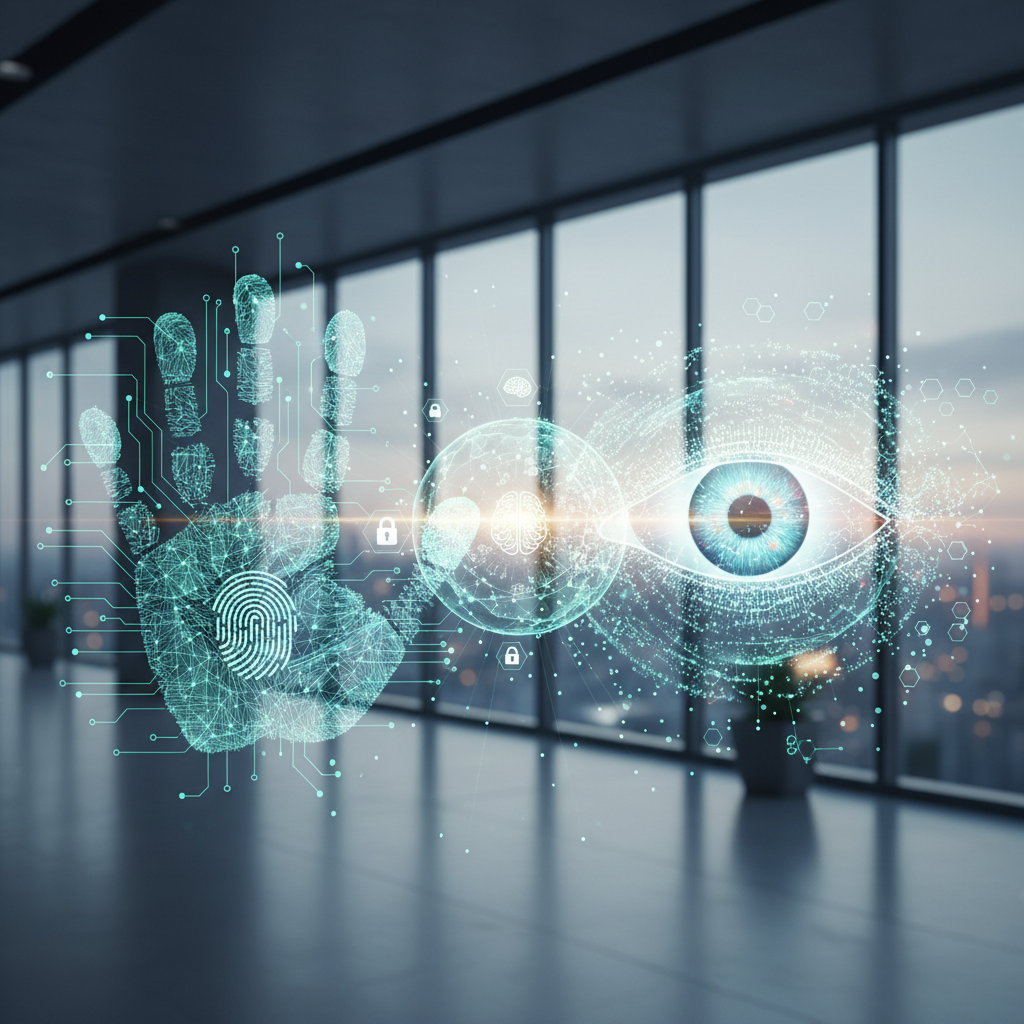
Next-generation biometric technology uses unique physical and behavioral characteristics to verify identities. Unlike traditional passwords or PINs, these systems rely on features such as facial recognition, fingerprints, iris scans, voice recognition, palm vein patterns, gait analysis, and behavioral biometrics. Incorporating advancements like AI, machine learning, cloud computing, edge AI, and multimodal authentication, these systems provide more reliable, faster, and secure identity verification.
Applications and Adoption
This advanced biometric technology sees increasing deployment across various sectors, including governments, financial institutions, healthcare providers, airports, enterprises, and consumer electronics manufacturers. Their goal is to bolster security, minimize fraud, and improve user convenience. The rising demand for contactless authentication during health-conscious times has further accelerated adoption, making biometric verification more seamless and trustworthy.
Market Growth and Trends
According to MarketsandMarkets, the global biometric system market is projected to surge from USD 53.22 billion in 2025 to USD 95.14 billion by 2030, growing at a CAGR of 12.3%. Key drivers include increasing cybersecurity concerns, digital identity initiatives, and continuous AI-driven innovations in the biometric technology space.
Historical Perspective
Originally, biometric authentication primarily involved fingerprint recognition for law enforcement and government identification. However, as computing capabilities improved, biometric solutions expanded into facial recognition and iris scanning, paving the way for today’s complex multimodal systems powered by AI that deliver unparalleled accuracy and efficiency.
Why This Matters
With cyber threats on the rise and traditional authentication methods often vulnerable, next-generation biometric technology provides a more secure and user-friendly alternative. Its integration with AI enhances the ability to prevent identity fraud and protects sensitive data across industries. By adopting these innovations, organizations and individuals can achieve stronger security measures without compromising convenience or speed.
Conclusion
AI-powered biometric technology represents the future of secure digital identity verification. Its rapid adoption across multiple sectors highlights its vital role in combating cyber threats and streamlining the authentication process. As the technology continues to evolve, it will further transform how we protect and verify identities in our increasingly digital and interconnected world.