
Biometric technology is rapidly reshaping how we verify identity and enhance security across multiple industries. By utilizing unique biological identifiers like fingerprints, facial recognition, and iris scans, biometric verification systems are replacing passwords and traditional ID methods with faster, more reliable authentication.
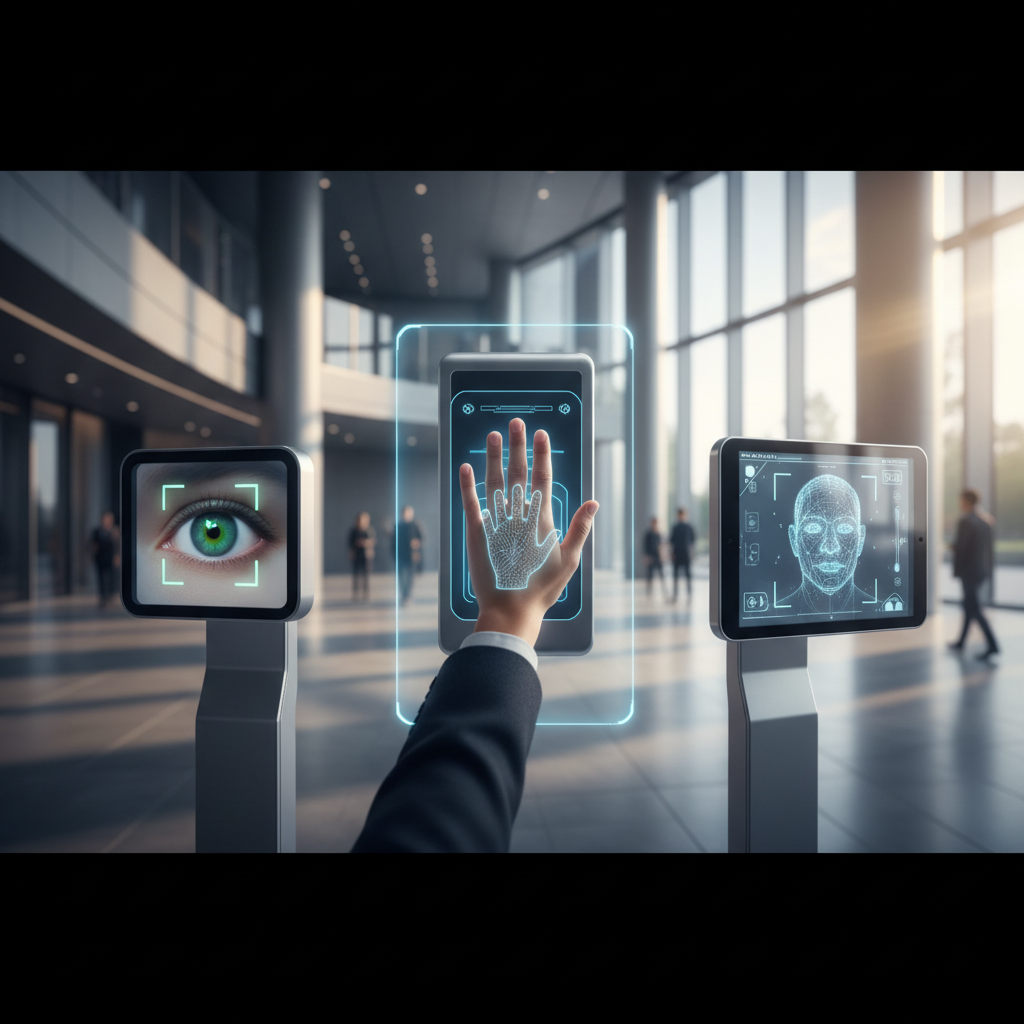
Emergence of Biometric Technology
Biometric verification has become a cornerstone of modern security, leveraging distinctive human traits to improve authentication processes. This technology ensures higher accuracy while maintaining user convenience, safeguarding sensitive information, and reducing fraud.
Applications of Biometric Verification Systems
Banks and Financial Security
Financial institutions have adopted fingerprint and facial recognition technologies to prevent fraud and unauthorized access. These systems provide secure transaction authorization while streamlining customer experience.
Healthcare and Patient Identification
Biometrics improve patient safety by accurately managing medical records and eliminating misidentification risks. They safeguard sensitive health information and enhance hospital protocols.
Immigration and Border Control
Governments utilize biometric systems at borders and airports to confirm traveler identities quickly and securely. Combining facial recognition with fingerprint scanning expedites border security without sacrificing accuracy.
Smartphones and Consumer Electronics
Modern smart devices incorporate fingerprint sensors and facial recognition to protect personal data and simplify user authentication, making access both secure and effortless.
Workplace Access Control
Many employers implement biometric systems to restrict access to sensitive areas, replacing traditional ID cards and passwords with superior authentication methods.
Advancements in Biometric Identification Technology
Artificial Intelligence and Machine Learning
AI and ML enhance the precision and speed of biometric systems, minimizing false positives and elevating real-time authentication reliability.
Cloud Biometric Authentication
Cloud-based storage enables rapid, secure access to biometric data across multiple devices and locations, facilitating scalable and efficient security solutions.
Multi-Modal Biometrics
Combining multiple biometric traits like fingerprints and facial recognition increases authentication accuracy and reduces identity fraud risks.
Contactless Biometric Solutions
Driven by the post-COVID-19 environment, contactless biometrics such as iris scanning and voice recognition are gaining popularity for hygienic and convenient authentication.
Why This Matters
With increasing cyber threats and fraud, biometric technology offers a powerful solution to secure identification and access. Its broad adoption across sectors—from banking to border control—demonstrates its vital role in protecting data and enhancing user trust. Moreover, the integration of AI and cloud infrastructure ensures these systems will continue evolving to meet future security demands effectively.
Conclusion
The future of biometric technology is bright, poised to revolutionize how we authenticate identity with unmatched accuracy and ease. As innovations continue in AI, cloud computing, and multi-modal verification, biometric systems will solidify their place at the forefront of digital security. Balancing privacy concerns with robust encryption and data protection measures will be key to maximizing the benefits of this transformative technology.