
In a world increasingly reliant on digital interactions, securing identity through advanced technology is more crucial than ever. Next-generation biometric technology, empowered by artificial intelligence (AI), is setting new standards in identity verification and fraud prevention.
What is Next-Generation Biometric Technology?
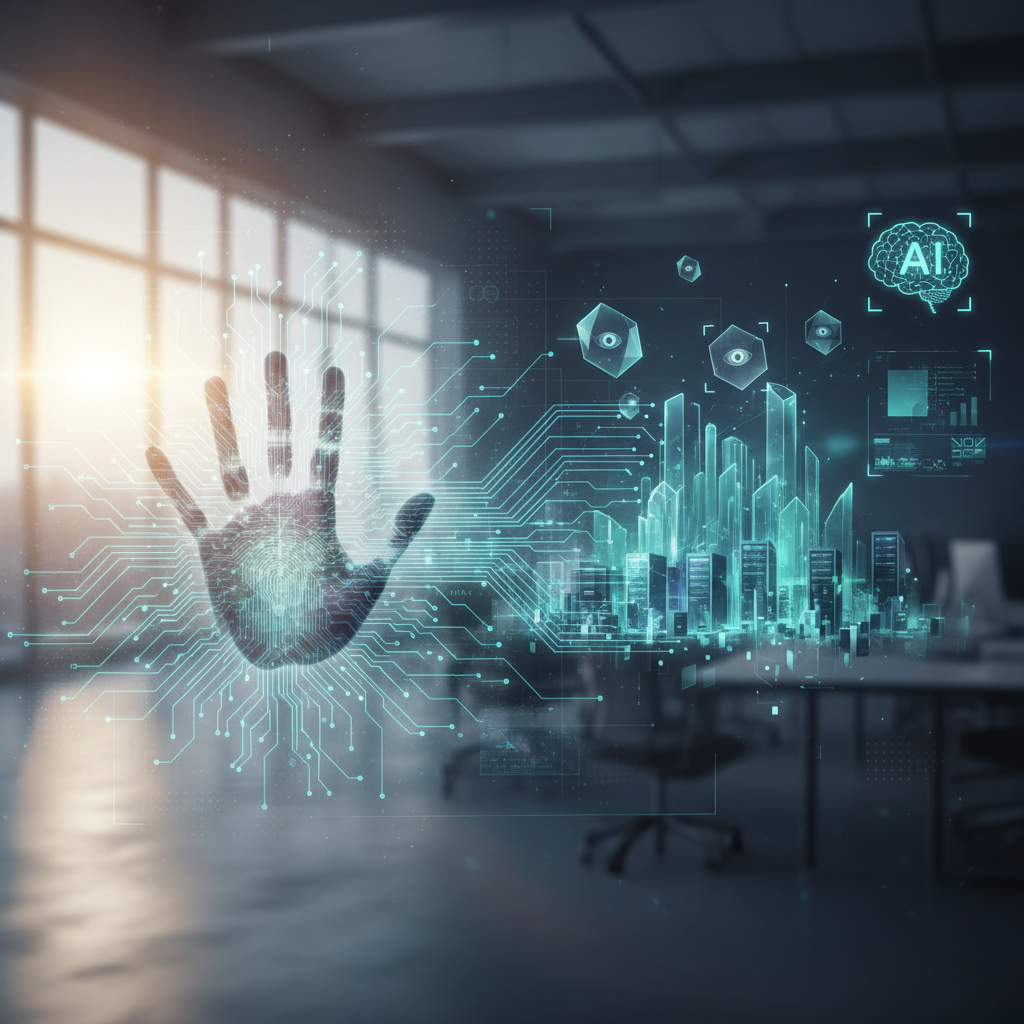
Next-generation biometric technology uses unique physical and behavioral traits to identify and authenticate individuals. Moving beyond traditional password systems, it includes methods such as facial recognition, fingerprint scanning, iris and palm vein recognition, voice analysis, gait analysis, and behavioral biometrics. What sets this latest generation apart is the integration of AI, machine learning, cloud computing, and edge AI to improve speed, accuracy, and security.
How AI Integrates into Biometric Systems
Artificial intelligence enhances biometric systems by enabling them to learn and adapt, improving recognition accuracy and reducing false positives. AI algorithms analyze complex biometric data patterns, detect anomalies, and combine multiple biometric indicators (multimodal authentication) for robust security. Cloud and edge AI technologies allow real-time data processing and secure storage, facilitating seamless and contactless authentication.
Applications Across Industries
Various sectors have embraced AI-driven biometric technology for its ability to secure operations and enhance user experience. Key areas include:
- Government: Secure national ID programs and border control systems.
- Financial Services: Fraud prevention and secure customer verification for banking and payment systems.
- Healthcare: Patient identification and access control to sensitive data.
- Airports and Transportation: Contactless passenger verification and streamlined security checks.
- Enterprise and Consumer Electronics: Device unlocking and secure access management.
Market Growth and Future Outlook
The biometric system market is experiencing significant growth, projected to increase from USD 53.22 billion in 2025 to USD 95.14 billion by 2030, with a compound annual growth rate (CAGR) of 12.3%. This surge reflects rising cybersecurity concerns, demand for contactless solutions, and widespread adoption of AI-powered biometric innovations.
Why This Matters
The integration of AI in next-generation biometric technology impacts global digital security profoundly. It enhances privacy protection, reduces identity theft and fraud, and simplifies user authentication. These advances contribute to safer digital ecosystems across industries, providing more trust for consumers and businesses alike.
Conclusion
AI-powered biometric technology is redefining the future of secure digital identity. By combining sophisticated biometric traits with intelligent computing, this technology promises faster, more accurate, and highly secure authentication methods that will continue to expand across various sectors, shaping a safer digital world.