
As security becomes increasingly critical across industries, 2026 is shaping up to be a transformative year for video surveillance and analytics technology. Organizations worldwide are embracing innovations that not only enhance security but also offer intelligent insights driven by artificial intelligence (AI) and cloud computing. This article highlights the key trends shaping the future of video security.
Understanding CCTV Technology
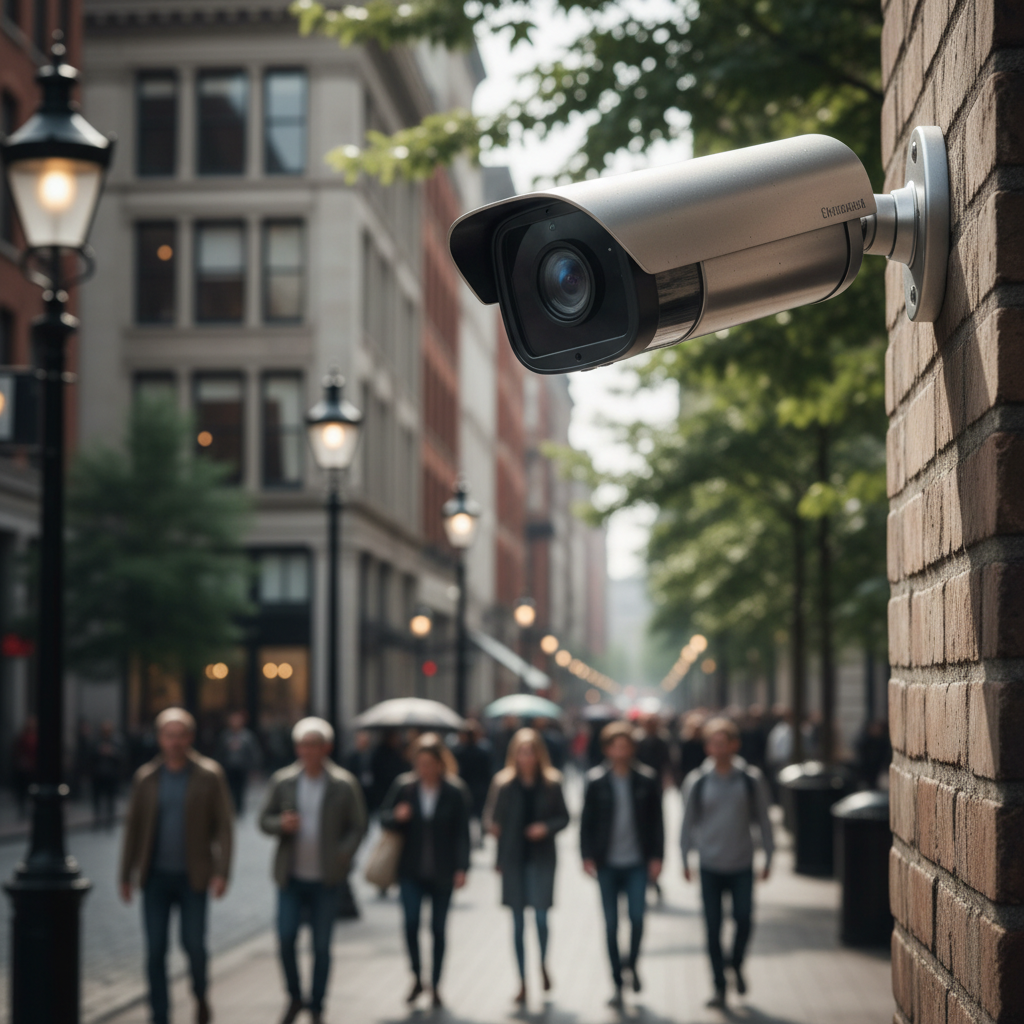
Closed-Circuit Television (CCTV) refers to systems designed to transmit video signals within closed networks for monitoring and recording. Modern CCTV systems integrate cameras, video recorders, software platforms, video management systems, and intelligent video analytics. These technologies provide live surveillance and valuable evidence for security teams while acting as a deterrent to potential criminal activity.
AI Smart Analytics: Transforming Footage into Big Data
One of the biggest trends in 2026 is the adoption of AI-driven video analytics that convert countless hours of surveillance footage into actionable big data. Unlike traditional methods relying on manual incident review, AI leverages deep learning to identify people, vehicles, objects, and anomalies in real time.
Benefits of AI-powered analytics include:
- Improved decision-making: AI insights validate security events and help optimize responses.
- Increased efficiency: Continuous monitoring without loss of accuracy allows security teams to focus on complex threats.
- Enhanced accuracy: Data-backed behavior recognition reduces false alarms and maintains consistent detection.
- Integration possibilities: AI systems work seamlessly with alarms, sensors, and access control for automated security solutions.
Cloud-First and Edge Computing Solutions
The 2026 surveillance landscape strongly favors cloud-managed video security systems. Cloud-native and direct camera-to-cloud designs offer scalability, remote-first operations, and easy integration with existing infrastructure. This shift enables more flexible deployment and better resource management.
Edge computing complements cloud systems by performing data processing at the device level, which reduces latency and enhances real-time analytics. Combining edge and cloud technologies offers a powerful hybrid model for efficient and intelligent surveillance.
Transition to Fully Digital IP Camera Systems
The industry is steadily moving away from analog CCTV systems toward 100% digital IP camera technology. IP cameras provide higher resolution, better scalability, and improved compatibility with analytics platforms. Businesses investing in “As a Service” (AaS) solutions benefit from scalable upgrades without disrupting existing operations.
Why This Matters
Staying current with video surveillance trends is essential for organizations to safeguard people, assets, and information effectively. The integration of AI analytics, cloud connectivity, edge computing, and digital IP systems translates into smarter, faster, and more reliable security operations. This not only reduces risks but also optimizes resources and lowers the total cost of ownership for security infrastructure.
Conclusion
Video surveillance and analytics technologies are evolving rapidly, with 2026 marking a pivotal year. The rising influence of AI, cloud-native solutions, and edge computing are transforming traditional CCTV systems into intelligent, data-driven platforms. Embracing these trends will empower organizations to enhance security, streamline operations, and future-proof their surveillance capabilities.