
In our rapidly digitizing world, proving who we are securely and reliably is more important than ever. Next-generation biometric technologies, powered by artificial intelligence (AI), are leading the charge in transforming digital identity verification across multiple sectors.
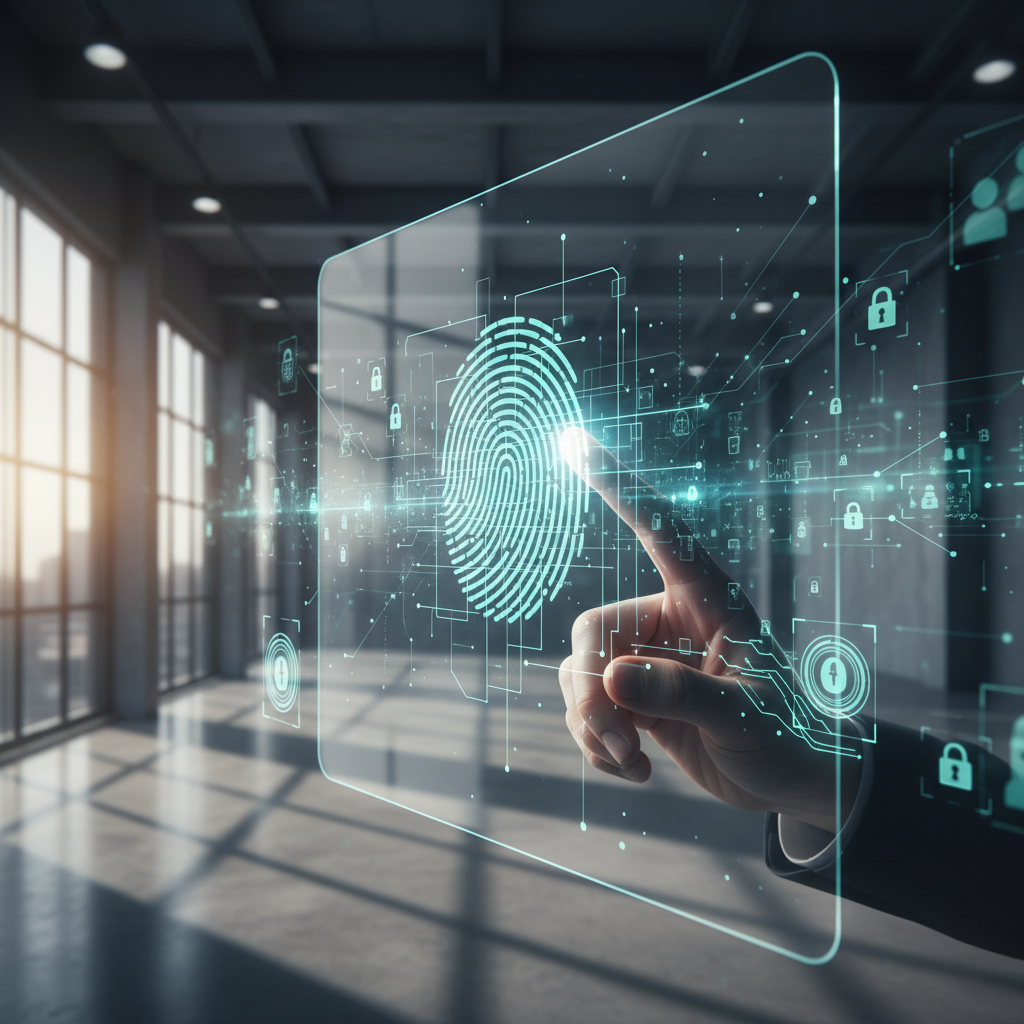
What is Next-Generation Biometric Technology?
Next-generation biometric technology uses unique physical and behavioral traits—such as facial features, fingerprints, iris patterns, voice, palm veins, gait, and behavioral data—to accurately verify an individual’s identity. Unlike traditional password or PIN-based systems, biometric authentication provides a seamless, contactless, and hard-to-forge method of security.
The latest advancements incorporate AI, machine learning, cloud computing, and edge AI, combined with multimodal authentication methods, enabling faster, more secure, and highly precise identity verification.
Key Applications and Adoption
Biometric systems are increasingly adopted by governments, financial institutions, healthcare providers, airports, enterprises, and consumer electronics companies. This adoption is driven by their ability to enhance security protocols, reduce fraud, and improve user experience through convenient and reliable authentication methods.
MarketsandMarkets projects the global biometric system market to grow from USD 53.22 billion in 2025 to USD 95.14 billion by 2030, reflecting a compound annual growth rate (CAGR) of 12.3% fueled by rising cybersecurity concerns and the proliferation of AI-powered biometric innovations.
The Evolution of Biometric Technology
Biometric authentication began with fingerprint recognition for law enforcement and government IDs. With advances in computing power and AI, biometric systems now encompass facial recognition, iris scanning, voice recognition, and behavioral biometrics, delivering higher accuracy and broader applicability.
AI enhances these technologies by continuously learning and improving recognition capabilities, enabling systems to overcome challenges posed by spoofing attempts or changes in appearance.
Why This Matters
As digital interactions become more common, securing identities against fraud and cyber threats is critical. Next-generation biometric technologies address these issues by providing robust, scalable, and user-friendly authentication solutions. They also pave the way for contactless interactions—a necessity highlighted by recent global health concerns—and foster trust in digital systems across healthcare, finance, travel, and more.
Conclusion
Artificial intelligence is central to advancing biometric technology, making digital identity verification more secure and efficient than ever before. The ongoing growth and adoption of AI-powered biometrics promise to protect individuals and organizations alike, ensuring safer digital experiences in the years ahead.