
As security needs evolve, 2026 is set to be a pivotal year for video surveillance and analytics technologies. These advancements promise smarter, faster, and more scalable security systems across industries.
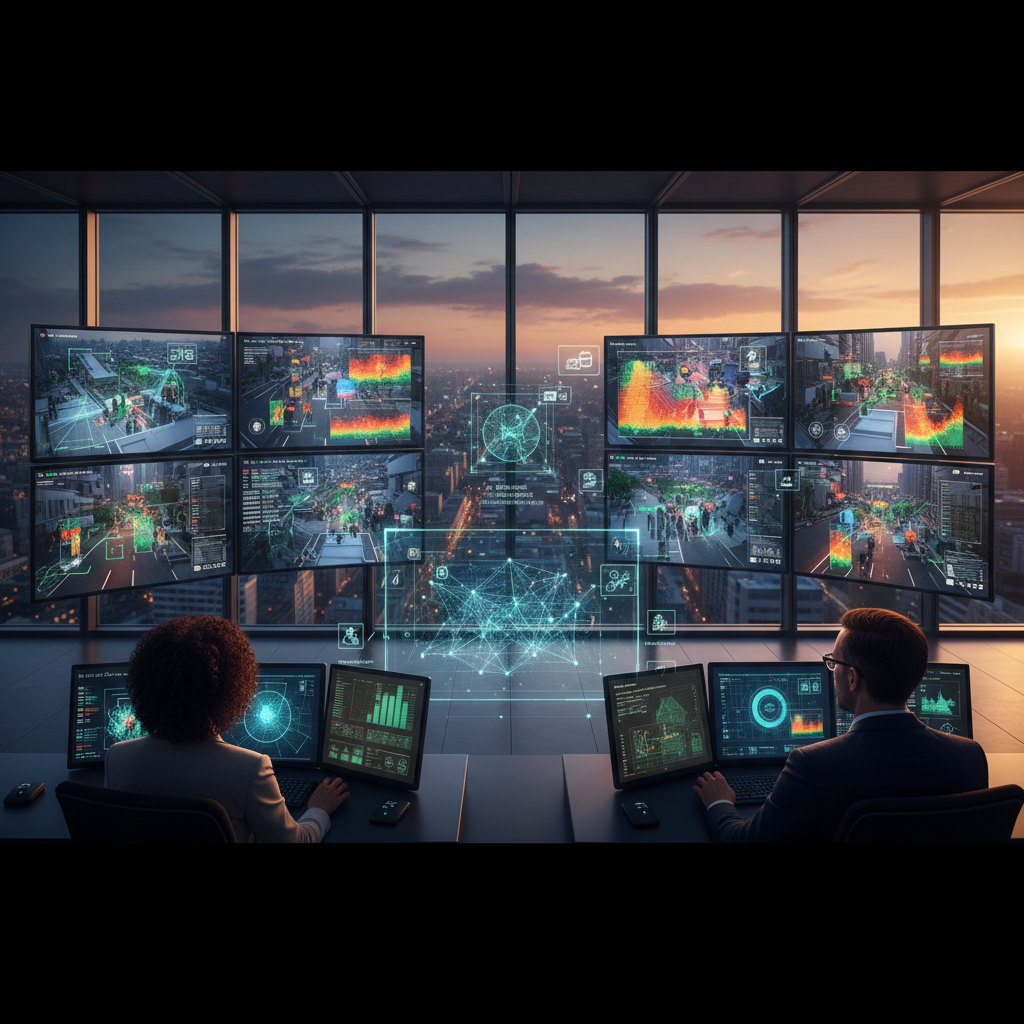
Understanding CCTV Technology
Closed-circuit television (CCTV) technology forms the backbone of modern security systems. It comprises cameras, video recorders, management software, and intelligent analytics. These systems provide real-time footage and deter suspicious activities by maintaining constant surveillance in critical areas.
AI Smart Analytics Transforming Surveillance
Artificial Intelligence (AI) plays a crucial role in transforming traditional video footage into actionable data. AI-driven analytics enable security systems to recognize people, vehicles, and objects automatically. This transforms video from mere recording devices into insightful security tools capable of detecting anomalies and predicting potential threats.
Deep Learning and Video Analytics
- Improved Decision-Making: AI insights support human teams in accurately assessing security incidents.
- Increased Efficiency: Automated monitoring allows security personnel to focus on complex tasks without loss in detection accuracy.
- Enhanced Detection Accuracy: Data-driven algorithms reduce false alarms and consistently identify genuine threats.
- Integration and Automation: AI systems can connect with alarms and access controls for swift, automated responses.
Cloud-Native and Scalable Solutions
The shift to cloud-native surveillance provides scalable, flexible security management. Direct camera-to-cloud technologies simplify system upgrades and remote monitoring, making security systems more resilient and easier to manage.
Edge Computing Driving Efficiency
Edge computing allows data processing directly on devices, reducing latency and bandwidth demands. By analyzing footage locally, security cameras provide faster, real-time responses while decreasing reliance on central servers.
Transition from Analog to Digital IP Cameras
2026 continues to witness a significant move from analog systems to fully digital IP cameras. IP cameras offer superior image quality, easier integration with existing networks, and support for the latest AI-powered analytics.
Why This Matters
The integration of AI, cloud, and edge computing in video surveillance enables businesses and organizations to enhance safety while reducing operational costs. These technologies provide actionable intelligence that helps prevent incidents before they occur and strengthen investigative capabilities, ultimately creating safer environments.
Conclusion
Video surveillance technology in 2026 will focus on interconnected, intelligent, and scalable systems. Leveraging AI analytics, cloud platforms, edge computing, and modern IP cameras, organizations can expect more reliable security solutions tailored to evolving threats and operational needs. Investing in these technologies is critical for staying ahead in the fast-changing security landscape.