
As we advance further into 2026, video surveillance technology is evolving rapidly, bringing cutting-edge tools that enhance security management for businesses and institutions worldwide. From AI-driven analytics to cloud computing and edge computing, these trends are reshaping how organizations protect people and assets.
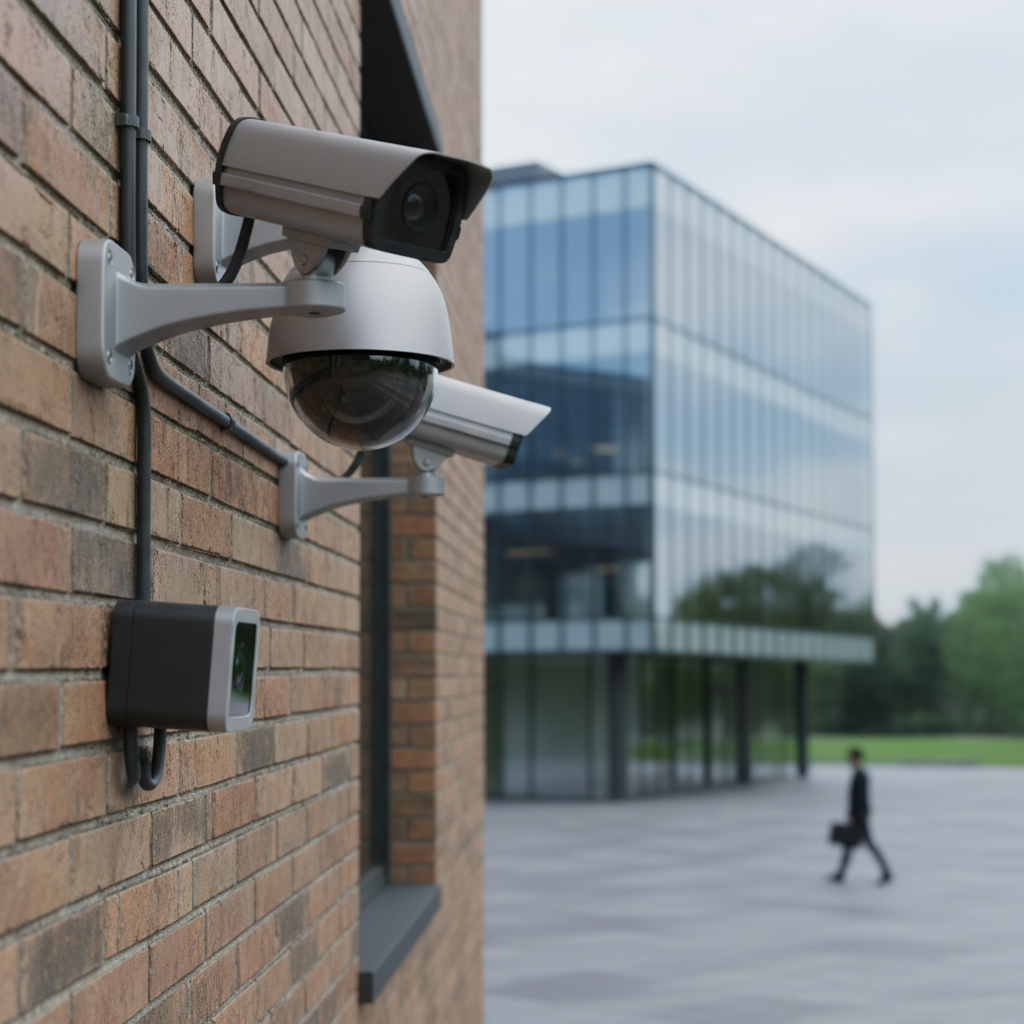
Understanding CCTV Technology in 2026
Closed-Circuit Television (CCTV) technology remains the backbone of physical security systems. It includes cameras, video recorders, video management software, and increasingly, smart analytics solutions. Modern CCTV systems not only provide live footage but also serve as a crime deterrent and investigative tool by capturing and storing critical events.
AI-Powered Analytics Transforming Security Footage
One of the most notable trends in 2026 is the integration of artificial intelligence in video surveillance. AI smart analytics convert immense volumes of security footage into actionable big data. Advanced deep learning software helps cameras identify people, vehicles, and objects in real time, enhancing detection accuracy.
- Improved Decision-Making: AI-generated insights support security teams in validating events and optimizing responses based on data-driven evidence.
- Increased Efficiency: Continuous and precise monitoring allows personnel to concentrate on complex security issues while routine surveillance is automated.
- Automation Opportunities: Integrating AI with alarms, sensors, and access control systems facilitates automated threat responses, streamlining security operations.
Cloud and Edge Computing in Video Security
Cloud-native solutions are widely adopted, enabling direct camera-to-cloud communications that simplify video management and scale operations smoothly. Simultaneously, edge computing powers processing locally on devices, reducing latency and improving real-time data analysis capabilities, which is crucial for immediate threat detection.
Transition to Digital and Open-Platform Systems
There is a clear trend moving away from analog to fully digital, IP-based video surveillance systems. Open-platform, cloud-connected cameras now integrate seamlessly with existing infrastructures, ensuring flexibility and energy efficiency. This evolution supports the incorporation of third-party applications for expanded control and management.
Why this matters
Adopting these video surveillance technology trends is critical for organizations aiming to bolster physical security efficiently and effectively. AI-driven analytics unlock valuable insights that enhance situational awareness, while cloud and edge technologies improve system responsiveness and scalability. The transition to digital and open-platform cameras future-proofs security investments, making them adaptable to evolving threat landscapes.
Conclusion
2026 is shaping up to be a transformative year for video surveillance, with innovation focused on artificial intelligence, cloud connectivity, and smarter hardware. Organizations can benefit significantly by embracing these trends to protect assets better, optimize security operations, and stay ahead of potential threats.