
As security challenges evolve, video surveillance technology is advancing rapidly to meet new demands. In 2026, organizations are embracing smarter, cloud-enabled, and AI-driven video security solutions to enhance protection and operational efficiency.
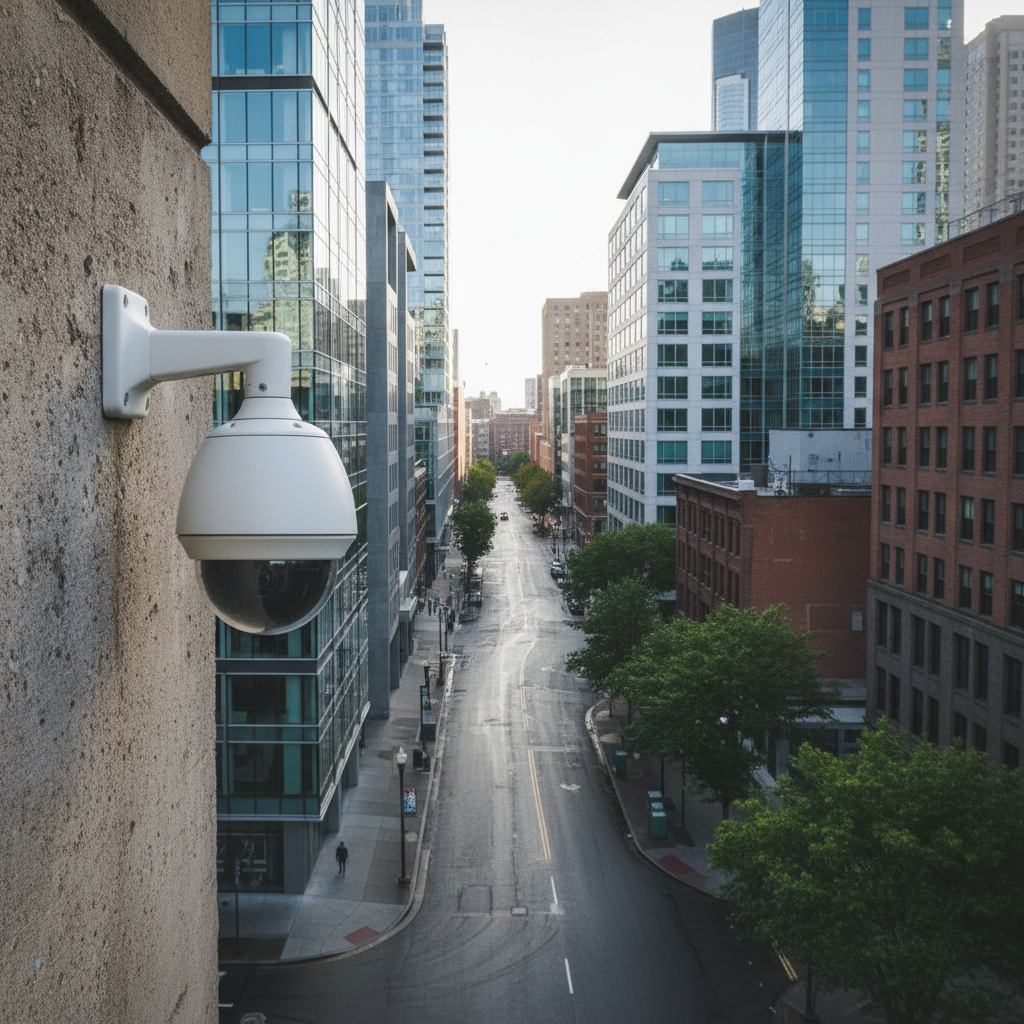
Understanding CCTV Technology
Closed-circuit television (CCTV) technology involves cameras, video recorders, and software managing the transmission of video within a closed system. CCTV helps secure assets by providing real-time footage, deterring crime, and supporting investigations.
AI-Powered Video Analytics Transforming Surveillance
One of the defining trends for 2026 is the integration of artificial intelligence (AI) in video analytics. AI converts extensive video footage into actionable data by identifying people, objects, and unusual activities with advanced deep learning algorithms. This shift enables security teams to gain insights without manually reviewing all footage.
- Improved Decision-Making: AI analytics provide data-backed insights helping teams accurately interpret security incidents.
- Higher Efficiency: Systems can monitor continuously with consistent detection, freeing human resources for complex tasks.
- Enhanced Accuracy: AI reduces false alarms by detecting real threats based on objective patterns.
- Integration and Automation: AI interfaces with other security devices enabling automated responses, enhancing system effectiveness.
Shift Toward Cloud-Native and IP-Based Systems
The surveillance industry is moving from analog to 100% digital IP camera systems. Cloud-native solutions allow remote-first and scalable security setups, providing flexibility and improved access. These solutions can integrate with existing infrastructure and meet compliance standards like ONVIF.
Rise of Edge Computing in Surveillance
Edge computing processes data directly on the surveillance device rather than relying on distant servers. This reduces latency, enabling faster decision-making and real-time analytics, a critical improvement for security applications.
Why This Matters
Adopting these cutting-edge video surveillance technologies equips organizations with enhanced situational awareness and faster response capabilities. Leveraging AI and cloud infrastructure not only strengthens security protocols but also lowers operational costs and false alarms, contributing to safer environments.
Conclusion
The video surveillance landscape in 2026 is defined by AI-powered analytics, cloud integration, and digital transformation. Organizations investing in these trends will benefit from smarter, more reliable security systems that evolve with emerging threats and operational needs.