
As security needs continue to evolve, 2026 promises to be a pivotal year for video surveillance and analytics technology. With advancements in AI, cloud computing, and smart analytics, organizations are embracing cutting-edge solutions to enhance safety and streamline security management.
Understanding CCTV Technology
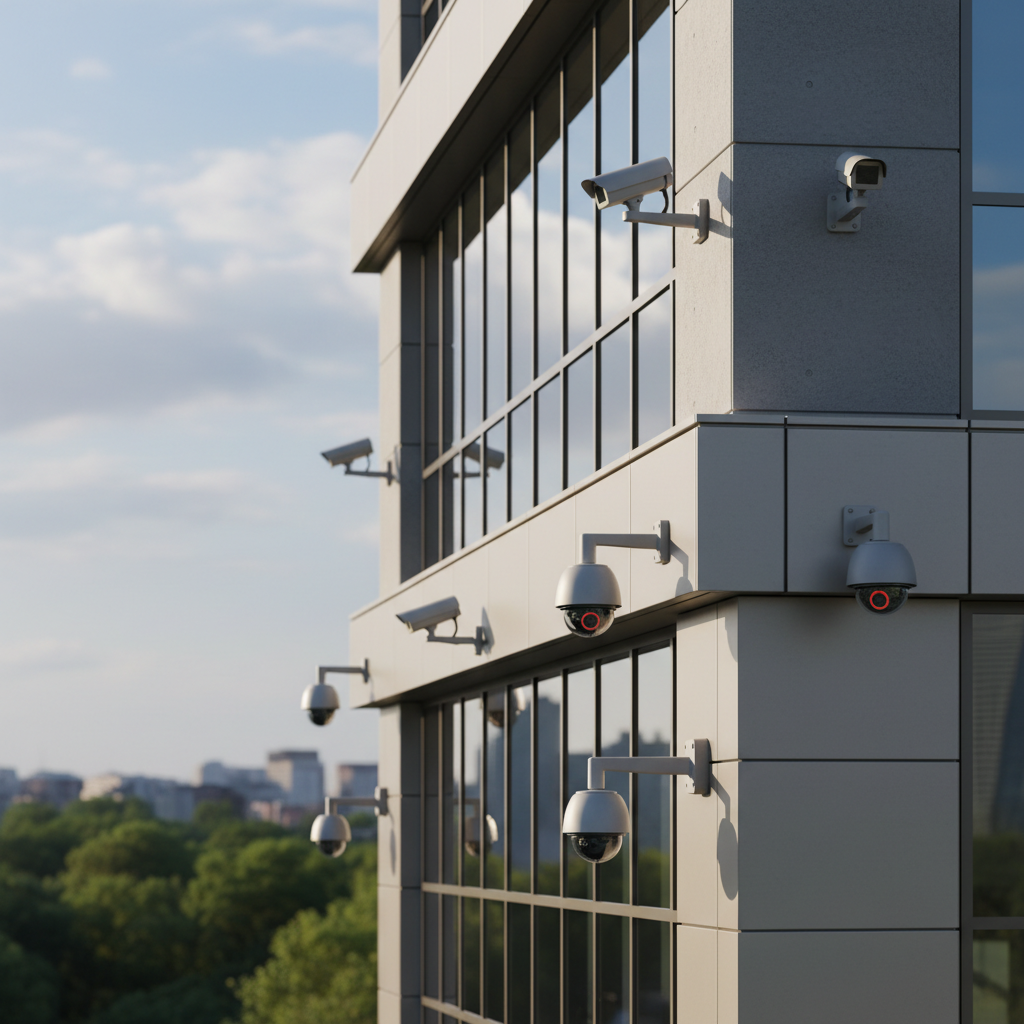
Closed-circuit television (CCTV) technology remains the backbone of modern video security systems. It involves cameras, video recorders, management software, and increasingly, AI-driven analytics. CCTV provides live footage and recordings that help protect assets, deter crimes, and support investigations.
AI Smart Analytics: Turning Footage into Actionable Big Data
One of the standout trends in 2026 is the integration of artificial intelligence (AI) into video surveillance. AI video analytics transform hours of raw footage into meaningful data by identifying people, objects, and unusual activities in real-time.
Deep learning capabilities enable cameras to learn typical activity patterns at a location, improving anomaly detection and enhancing decision-making accuracy. Benefits include:
- Improved decision-making: Data-backed insights help teams respond to security events more effectively.
- Increased efficiency: Continuous monitoring with consistent detection accuracy allows personnel to focus on complex tasks.
- Enhanced detection accuracy: AI reduces false alarms by accurately discerning threats from irrelevant activities.
- Integration and automation: AI-powered cameras can work with sensors, alarms, and access controls to automate security responses.
While AI supports security teams by providing valuable insights, it complements rather than replaces human monitoring.
Edge Computing: Faster and Smarter Surveillance
Edge computing is another emerging trend where data processing occurs directly on surveillance devices rather than centralized servers. This reduces latency and enables real-time analytics, making video security systems more responsive and reliable.
Cloud Management and IP Camera Adoption
Cloud-native video security solutions are gaining traction as they offer scalability and accessibility. Organizations are moving from analog to fully digital IP cameras that seamlessly integrate with cloud platforms, allowing for remote management and rapid deployment.
These “As a Service” (AaS) models facilitate easier upgrades and ongoing maintenance, helping businesses stay current with technology innovations without large upfront investments.
Why This Matters
With crime and security challenges becoming more sophisticated, adopting the latest surveillance technologies is crucial. AI-driven analytics and edge computing enhance the ability to detect and respond to threats promptly, while cloud solutions increase flexibility and cost-effectiveness. Staying informed about these trends empowers organizations to build safer environments and optimize security operations.
Conclusion
The video surveillance landscape in 2026 is shaped by intelligent analytics, advanced hardware, and cloud-based management. By leveraging AI, edge computing, and IP camera technologies, businesses and institutions can benefit from smarter, faster, and more scalable security systems that keep pace with evolving demands.