
Solar energy is evolving rapidly in 2024, with remarkable technological advancements enabling cleaner, more efficient, and affordable power for homes, businesses, and cities worldwide. These breakthroughs are not only improving traditional solar solutions but also opening new frontiers in how we harness the sun’s power daily.
1. Enhanced Efficiency Solar Panels
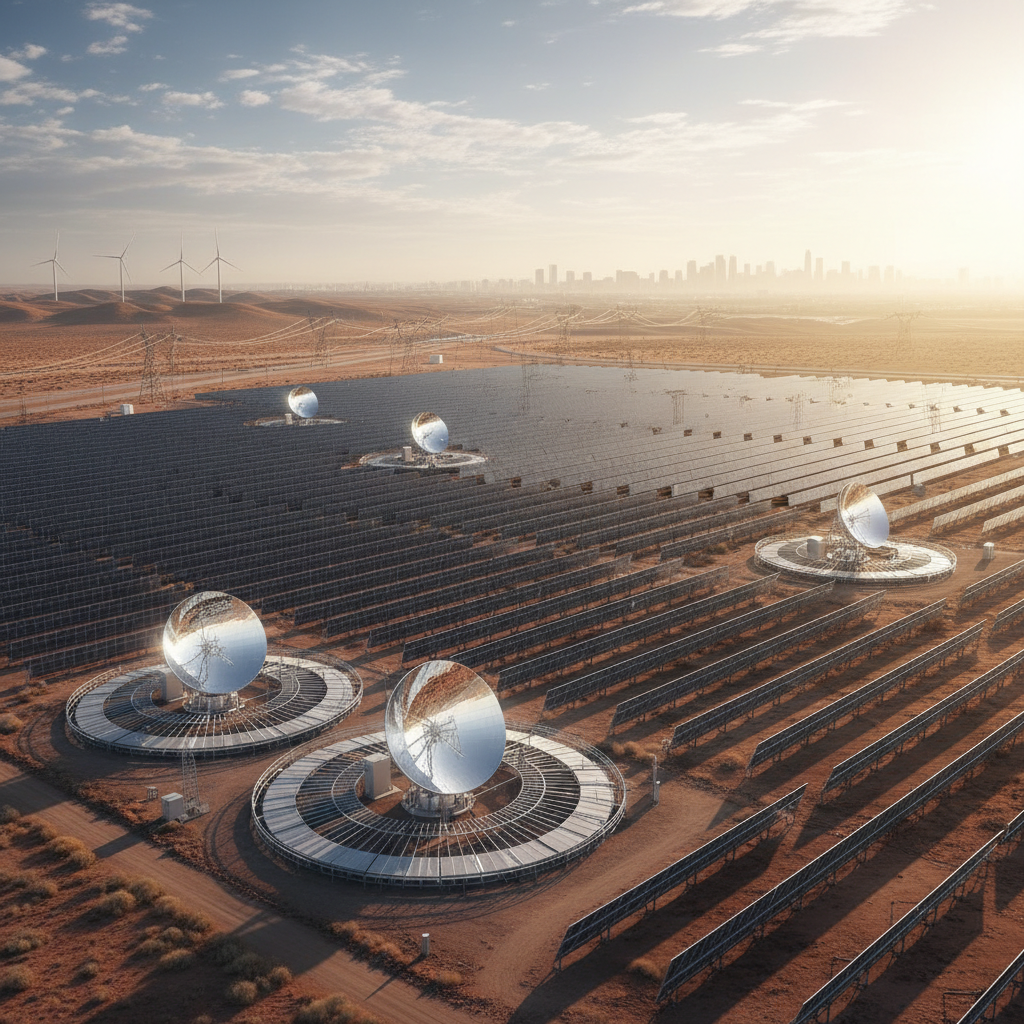
The introduction of perovskite solar cells marks a monumental leap in photovoltaic efficiency, reaching an impressive 26.41%. This outperforms traditional silicon-based panels, which typically range between 15% to 22% efficiency. The enhanced efficiency promises to reduce costs and increase accessibility, making solar installations more feasible across diverse settings, from residential rooftops to large-scale solar farms.
2. Transparent Solar Panels
Transparent solar technology is set to revolutionize energy generation by turning surfaces like windows and electronic displays into power sources. Using a transparent luminescent solar concentrator (TLSC), these panels selectively convert invisible solar spectrum segments into electricity while maintaining up to 86% transparency. Developments in materials such as graphene further enhance flexibility and conductivity, allowing seamless integration into building facades and devices without compromising aesthetics.
3. Solar Energy Storage Solutions
Advances in energy storage are critical for optimizing solar power’s reliability. Key innovations include lithium-ion batteries for high-density storage, flow batteries suitable for scalable liquid storage, solid-state batteries offering increased safety and energy density, and thermal energy storage capturing heat for later use. These solutions, combined with smart grid technologies, support a stable and efficient renewable energy infrastructure.
4. Solar Fabric and Wearables
The fusion of solar technology with textiles is opening exciting possibilities; solar cells can be woven into fabrics to power devices like smartphones, fitness trackers, and medical equipment. Wearable solar fabrics enable on-the-go charging, reducing dependence on traditional power sources and paving the way for smart clothing that is both functional and energy-generating.
5. Floating Solar Farms
Floating solar farms are an ingenious use of space, installed on bodies of water to optimize land use and improve panel performance through water cooling. Projects like South Korea’s Saemangeum (2.1GW capacity) and Singapore’s Sembcorp Tengeh floating solar farm demonstrate the scalability and environmental benefits of this approach, contributing significantly to renewable energy generation with minimal ecological impact.
Why This Matters
These solar innovations are more than technological advancements; they represent vital steps toward a sustainable future. Increased efficiency and new applications lower energy costs, expand accessibility, and reduce reliance on fossil fuels. Energy storage breakthroughs ensure solar power’s reliability, crucial for a clean energy transition. Integrating solar into fabrics and urban infrastructure promotes decentralized, versatile energy use, while floating solar farms optimize environment-friendly installations in space-constrained regions.
Conclusion
The solar technology breakthroughs of 2024 chart an inspiring path toward a cleaner, more resilient energy landscape. From more powerful panels to wearable solar, these advances make harnessing the sun’s energy easier and more integrated into everyday life. As these innovations continue to mature, individuals and businesses have unprecedented opportunities to embrace solar power—fueling a brighter, sustainable future for all.