
Imagine a surveillance system that can identify a person or detect hidden weapons without relying on cameras or conventional biometric data. Emerging technologies are making this possible and challenging traditional ideas about biometric privacy.
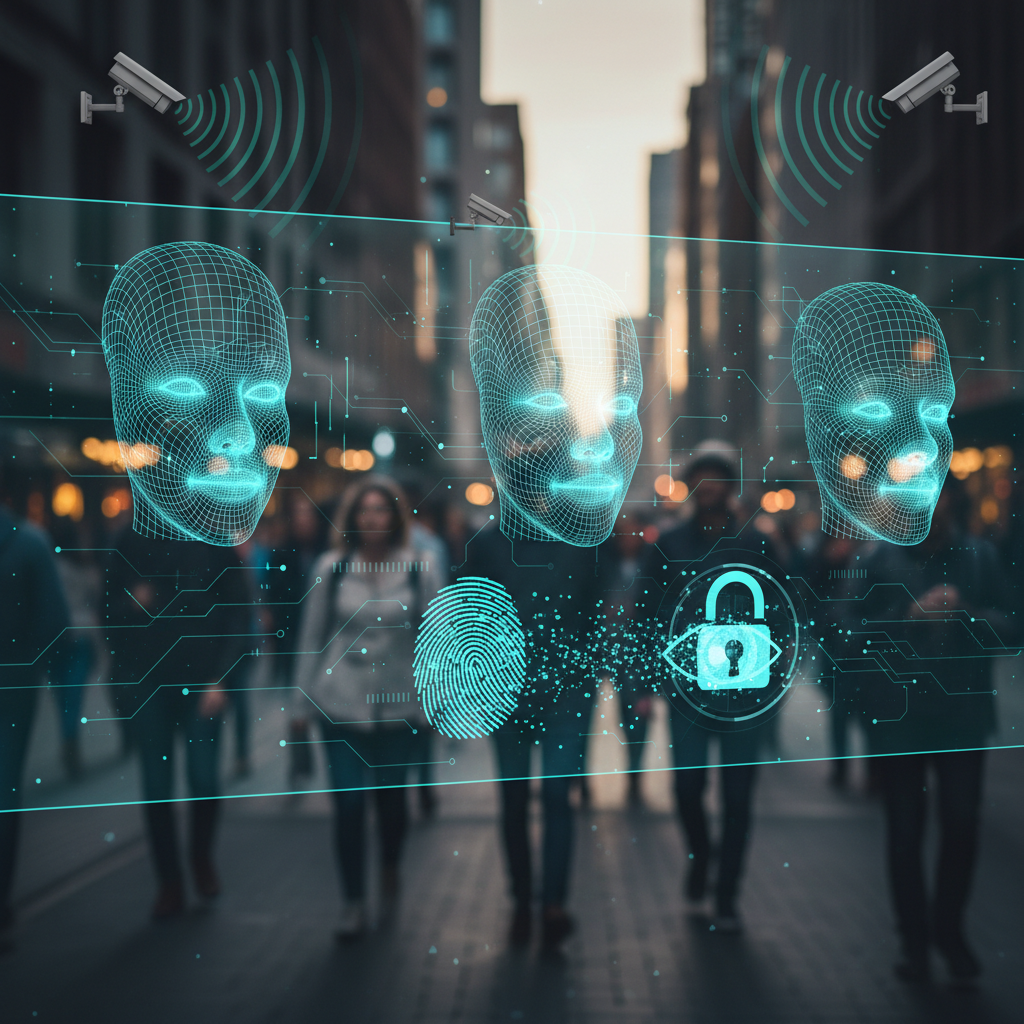
Wi-Fi-Based Biometric Identification: The WhoFi Breakthrough
Researchers at La Sapienza University in Rome have developed “WhoFi”, a system that identifies individuals by analyzing disturbances in Wi-Fi signals caused by their unique body structures. Instead of using visual data like fingerprints or facial recognition, WhoFi leverages the way Wi-Fi electromagnetic waves interact with internal physical features such as bones and organs.
This method collects biometric signatures by interpreting changes in Channel State Information (CSI), achieving a remarkable 95.5% accuracy rate across various conditions. Unlike cameras, WhoFi works through walls and without lighting or line-of-sight limitations. Although it does not collect personal identity data, concerns about its potential use for covert tracking highlight important ethical considerations.
Scanary: Radar-Powered Crowd Security Without Biometrics
Israeli startup Scanary introduces a fast, non-intrusive security-screening technology combining radar sensors with artificial intelligence. Scanary can scan up to 25,000 moving individuals per hour over 200 square meters, detecting concealed threats such as weapons without requiring physical contact or slowing down people.
This radar system generates three-dimensional electromagnetic images to accurately distinguish harmless objects from dangerous items, even non-metallic weapons. Its privacy-focused approach avoids capturing facial biometrics and complies with GDPR and CE standards. Scanary has regulatory approvals in Europe and aims to expand its pilot programs globally.
Why This Matters
Both WhoFi and Scanary technologies represent a paradigm shift in surveillance by relying on alternative biometric and detection mechanisms beyond traditional images and identifiers. They offer enhanced security capabilities while promising improved privacy protections; however, their ability to identify or monitor individuals without explicit consent raises critical debates around ethical use, data rights, and oversight.
These innovations challenge lawmakers, privacy advocates, and security professionals to rethink biometric data policies and balance safety with civil liberties in the digital age.
Conclusion
As surveillance technology evolves, tools like WhoFi and Scanary push the boundaries of biometric privacy and security. Their methods open new possibilities for non-visual identification and threat detection but also underscore the need for robust frameworks to safeguard individual privacy. Keeping pace with these innovations will be essential to ensure ethical and effective application of biometric surveillance.