
Massachusetts is on track to revolutionize its peak power generation by 2050, moving away from fossil fuel peaker plants towards a clean, combustion-free energy portfolio. This shift not only supports the state’s net-zero emission goals but also promises cost savings when factoring in environmental and health impacts.
Decarbonizing Peak Power: The Report’s Findings
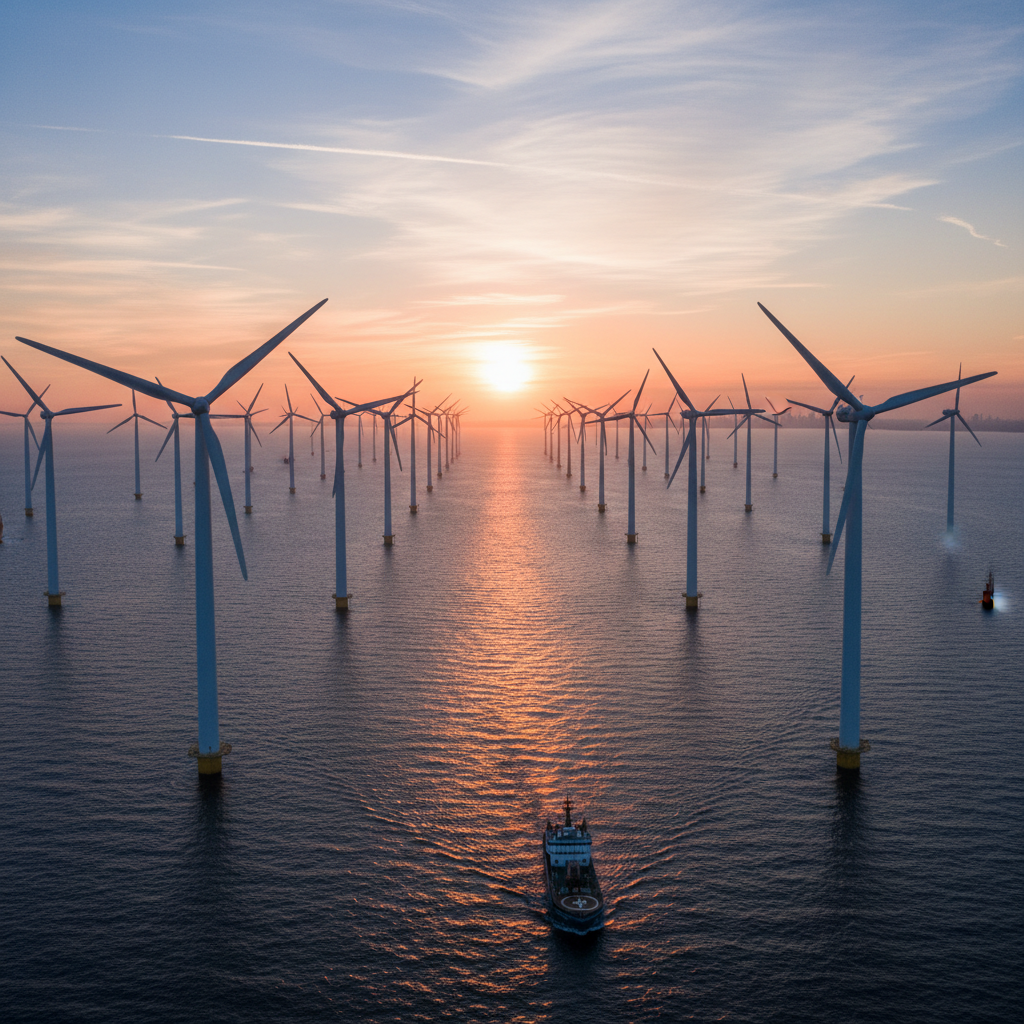
A report prepared by Synapse Energy Economics for the Massachusetts Clean Peak Coalition outlines how the state’s most populous region can fully decarbonize its peak electricity generation. Utilizing a combination of onshore and offshore wind, energy storage (including multi-day storage), and demand response, Massachusetts can replace fossil fuel peaker plants while reducing overall costs.
The portfolio suggested includes 6.4 gigawatts (GW) of wind capacity, 6.9 GW of energy storage, and 4.2 GW of demand response. The storage component is especially critical, with about two-thirds comprising multi-day storage to ensure reliability during prolonged cold spells with low renewable generation.
Current Challenges and Energy Landscape
In 2023, natural gas dominated Massachusetts’ electricity generation at 84%, with renewables making up only 15%. The state is approaching a shift from a summer peak to a winter peak demand in the mid-2030s, demanding solutions that go beyond intermittent solar power. Additionally, the current ISO New England forward capacity market structurally favors fossil-fuel generators and disincentivizes retirement of peaker plants.
Moreover, aging peaker plants such as NSTAR Electric Company’s Bellingham facility sometimes burn fuel oil during winter when natural gas supplies are tight, amplifying emissions and health risks. Steps are underway to retire such plants, exemplified by the 2022 retirement of the West Springfield Generating Station, now replaced with solar projects and set to follow with battery installations.
Stakeholder Perspectives and Policy Implications
While the clean energy coalition emphasizes the technical feasibility and cost benefits of a combustion-free peak portfolio, some regional power producers urge caution. Dan Dolan, president of the New England Power Generators Association, noted that during extreme events like recent deep freezes, the entire diversity and flexibility of the generation fleet—including peaker plants—was necessary to meet demand.
To effectively build the clean energy future, Massachusetts regulators and policymakers will need to enhance energy efficiency, incentivize demand response programs, facilitate the development of longer-duration storage, and thoughtfully address community concerns regarding wind project siting.
Why This Matters
The transition to a combustion-free peak power system by 2050 is crucial for Massachusetts to meet its ambitious net-zero emissions goals. It offers a path to reduce harmful carbon emissions and public health impacts associated with fossil fuel combustion. Additionally, modernizing the grid with renewables, storage, and demand management can provide more resilient and cost-effective power, helping residents and businesses alike.
Understanding and overcoming market and regulatory barriers is essential to unlock the full potential of clean energy resources, especially as demand grows due to electrification of heating and transportation.
Conclusion
Massachusetts stands at the forefront of decarbonizing peak power generation, with a strategy centered on wind, storage, and demand response that could outperform traditional fossil fuel peaker plants in cost and environmental impact. Achieving this vision requires continued policy innovation, stakeholder collaboration, and commitment to clean energy deployment to secure a sustainable and reliable electric grid by 2050.