
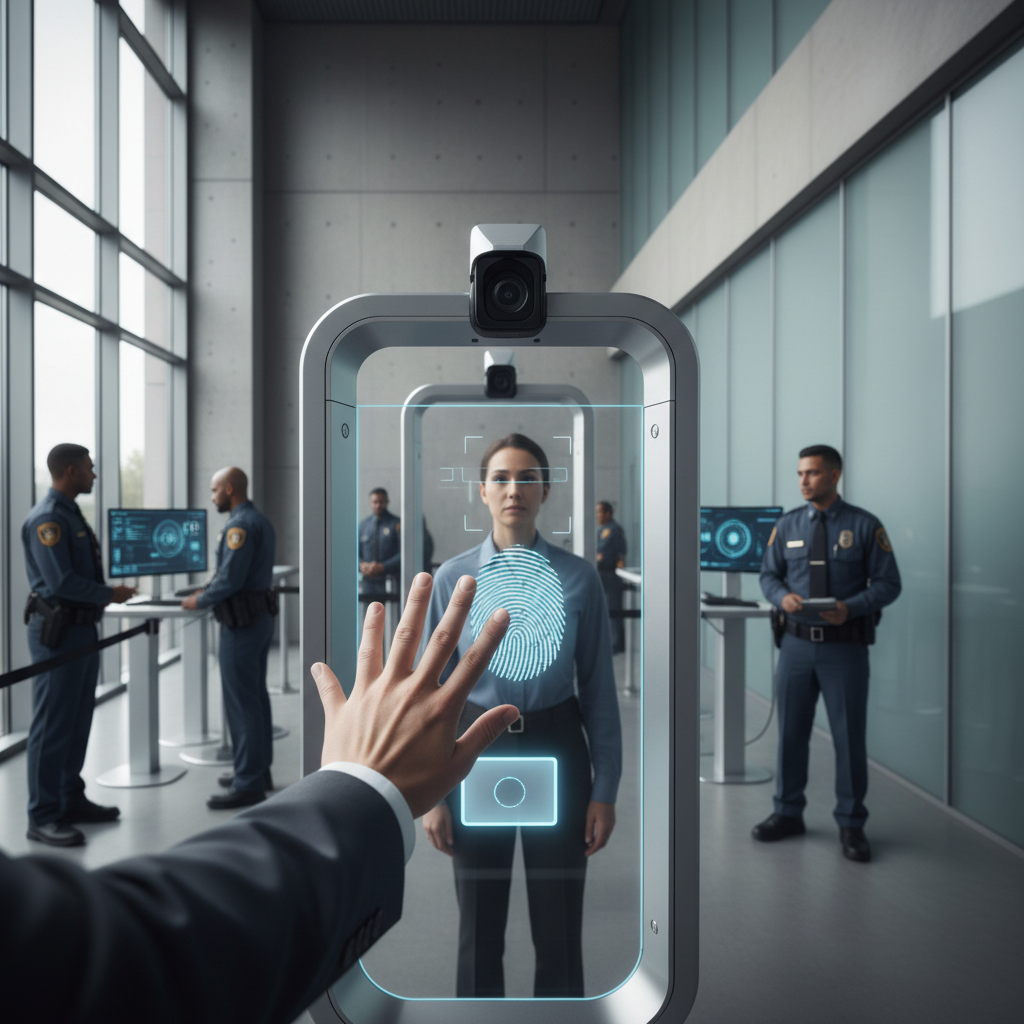
US Immigration and Customs Enforcement (ICE) is significantly boosting its biometric surveillance capabilities through a new $25.1 million contract awarded to Bi2 Technologies. This deal will supply ICE with 1,570 advanced biometric scanners capable of fingerprint, iris, and facial recognition.
Details of the Biometric Scanner Deployment
The biometric devices provided by Bi2 will have both mobile and stationary functionalities suitable for field agents across the United States. These scanners are integrated with Bi2’s Inmate Recognition and Identification System (IRIS), which links biometric data to an extensive database comprising over five million records, including arrest, booking, and incarceration data from 47 states.
Additionally, the system grants ICE access to driver’s license and vehicle license plate information, enhancing ICE’s ability to identify individuals swiftly and comprehensively during enforcement activities.
Contract Acquisition and Previous Pilot
The contract was awarded without a competitive bidding process, with ICE citing Bi2’s unmatched technology as justification for the sole-source acquisition. This follows a previous one-year pilot contract valued at $4.6 million, under which 200 scanners were deployed across the country. With the new contract, the total number of deployed devices could reach 1,770 by May 2027.
Privacy and Civil Rights Concerns
The expanded use of biometric technologies by ICE has raised significant concerns among privacy advocates and lawmakers. Critics argue that such surveillance tools may be inaccurate, biased, and could potentially chill civil liberties, especially regarding immigrant and protester identification. Senate Democrats have previously urged ICE to halt similar biometric identification programs due to these fears.
Why This Matters
This contract highlights the growing deployment of biometric surveillance technologies by government agencies, raising important questions about privacy, civil rights, and government oversight. The integration of iris scans, facial recognition, and fingerprint identification into law enforcement could transform how individuals are monitored and treated by immigration authorities, impacting citizens and non-citizens alike.
Conclusion
ICE’s $25 million investment in biometric scanners from Bi2 Technologies marks a significant step in expanding its surveillance infrastructure nationwide. While aiming to enhance identification efficiency, this move also intensifies debates on privacy and the ethical use of biometric data by government bodies. As deployment proceeds, close attention to transparency and regulation will be essential to balance security and individual rights.