
Renewable energy is revolutionizing the way we power our world, offering a sustainable alternative to fossil fuels. But how exactly does this clean energy work, and why is it so important? Let’s explore the core concepts behind renewable energy, its sources, mechanisms, and the benefits and challenges involved.
What is Renewable Energy?
Renewable energy comes from natural sources that are replenished continuously, such as the sun, wind, water, and earth. Unlike fossil fuels, these resources never run out, making renewable energy a sustainable option for meeting global power demands. According to the International Energy Agency, renewable energy is projected to supply 30% of worldwide electricity by 2024.
Key Sources of Renewable Energy and How They Work
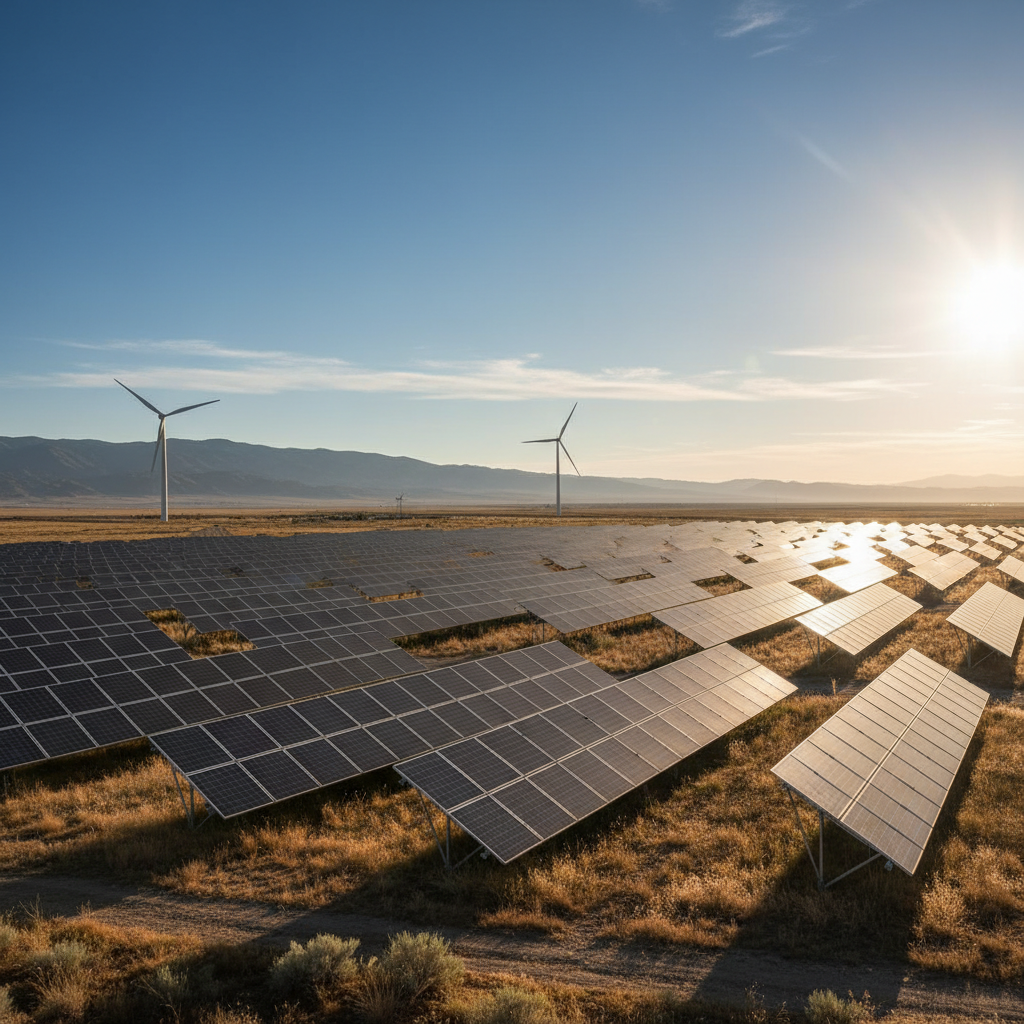
- Solar Energy: Through photovoltaic panels or concentrating mirrors, solar power converts sunlight into electricity. Solar energy is abundant and environmentally friendly, although its availability depends on weather and daylight hours.
- Wind Energy: Wind turbines capture the kinetic energy of wind and convert it into electrical power. Wind energy is efficient and cost-effective but can be unpredictable.
- Hydropower: Water flowing from rivers, reservoirs, or oceans drives turbines to generate electricity. Hydropower currently accounts for nearly 75% of renewable energy use worldwide.
- Geothermal Energy: Heat from underground reservoirs warmed by the Earth’s core is harnessed to generate power. This source offers a stable and continuous supply of energy.
- Bioenergy: Organic materials like wood, manure, and certain crops are burned to produce electricity. While it emits some greenhouse gases, bioenergy’s impact is often less than fossil fuels.
Everyday Uses of Renewable Energy
Renewable energy powers many aspects of modern life—heating and cooling homes, charging devices, running appliances, and illuminating spaces. Its utilization helps reduce dependence on fossil fuels, contributing to cleaner air and a healthier planet.
Benefits and Challenges of Renewable Energy
Benefits: Renewable energy sources produce significantly lower emissions, reduce pollution, and are more universally accessible compared to fossil fuels. This accessibility empowers communities globally to gain greater control over their energy needs.
Challenges: Variability and unpredictability in energy generation occur since sunlight and wind are not always consistent. Energy storage solutions are essential to address this, and green hydrogen is emerging as a promising method for long-term renewable energy storage.
Supporting Renewable Energy with Natural Gas
Natural gas acts as a reliable partner in advancing renewable energy by providing a cleaner backup energy source. It produces roughly half the carbon dioxide of certain coal types and helps support solar and wind energy generation, facilitating a smoother transition to cleaner power.
Why This Matters
Understanding how renewable energy works is crucial as the world shifts away from fossil fuels and combat climate change. Developing and integrating diverse renewable energy sources can reduce greenhouse gas emissions, promote energy independence, and foster sustainable economic growth globally.
Conclusion
Renewable energy offers a clean, sustainable path forward by harnessing natural power sources. While challenges like intermittency remain, advances in technology, including natural gas partnerships and innovative storage solutions like green hydrogen, pave the way for a cleaner, greener energy future. Embracing renewable energy is key to sustaining our planet and securing energy for generations to come.