
In 2025, electric vehicles (EVs) are rapidly reshaping the automotive landscape, yet recent developments from GM and Hyundai reveal a concerning reluctance to fully embrace this transformation.
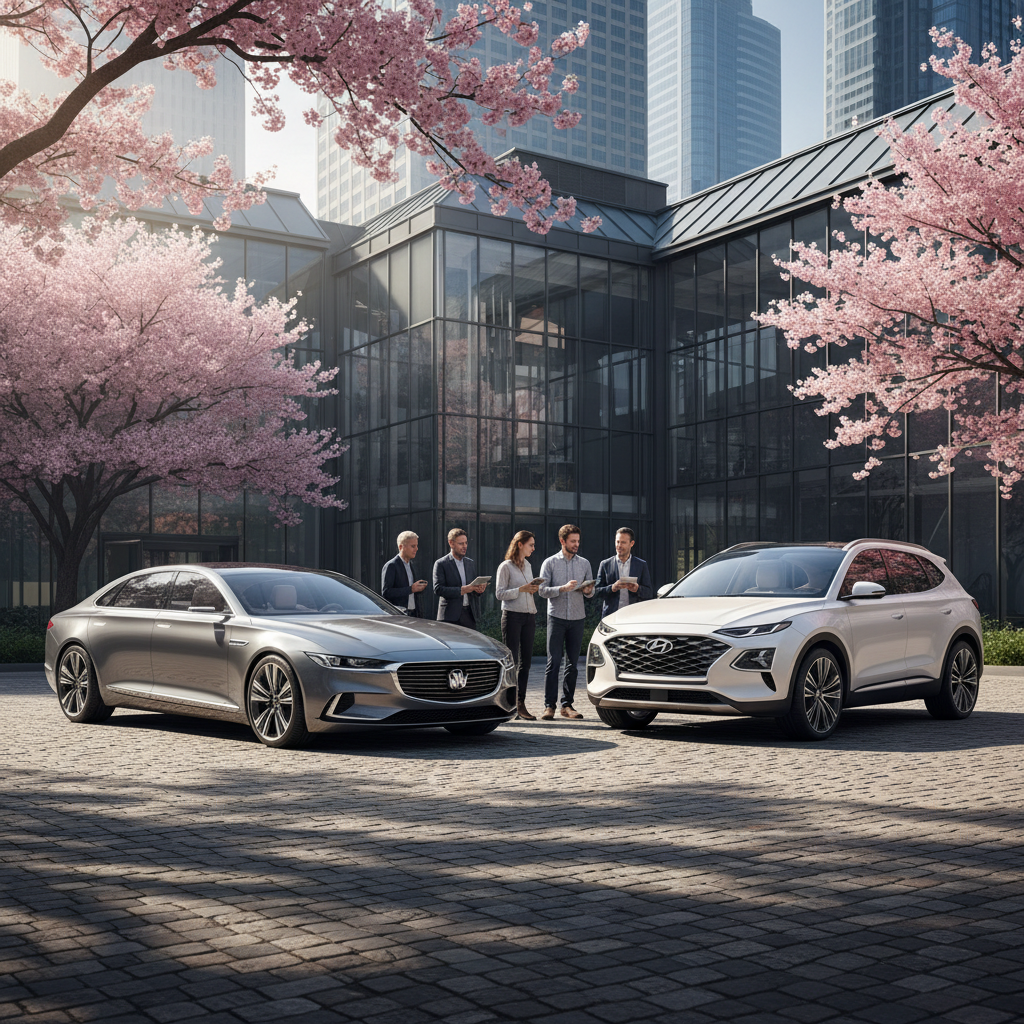
Overview of the GM and Hyundai Partnership
GM and Hyundai recently announced plans to co-develop five vehicle models with a combined annual production target of 800,000 units. Four of these models—the compact SUV, compact car, compact pickup truck, and midsize pickup truck—will primarily serve markets in South and Central America.
Controversy Over Fossil-Fueled Vehicles
Despite the growing EV trend worldwide, these four models will rely on traditional internal combustion engines or hybrid systems, without fully electric options. This decision has disappointed industry observers as competitors like BYD and other Chinese automakers are entering these markets with affordable, technologically advanced electric vehicles poised for rapid growth.
The move to produce predominantly fossil-fueled vehicles not only contradicts the global momentum toward cleaner transportation but also risks missing a critical opportunity to lead in emerging markets where demand for EVs is rising.
Positive News: Electric Commercial Van for North America
On a brighter note, GM and Hyundai intend to jointly manufacture an electric commercial van targeted at the North American market. This model will contribute to the overall 800,000-unit goal. Production, however, is not expected before 2028, raising questions about the competitiveness of this vehicle against existing players like Ford and Rivian.
Why This Matters
The decision to produce primarily fossil-fueled vehicles contrasts sharply with the broader automotive industry’s accelerating shift toward electrification. South and Central America represent crucial growth markets for EV adoption, driven by environmental concerns and potential cost savings. By not prioritizing EVs, GM and Hyundai risk falling behind emerging competitors and contributing to prolonged environmental harm.
Moreover, the delayed introduction of the electric commercial van in North America suggests a cautious approach that may miss key market windows and innovation momentum.
Conclusion
While GM and Hyundai’s partnership signals a significant production scale, their strategy raises concerns about commitment to sustainable transportation. Prioritizing fossil-fueled vehicles in rapidly developing markets could undermine global efforts to reduce emissions and shift towards cleaner mobility. The industry—and consumers—will be watching closely to see if these companies accelerate their electrification efforts beyond 2028.