
Biometric technology is transforming how we secure our identities and access critical services. As a seamless and highly secure alternative to traditional passwords and ID cards, biometrics employs unique biological traits such as fingerprints, facial patterns, iris scans, and voice recognition for authentication.
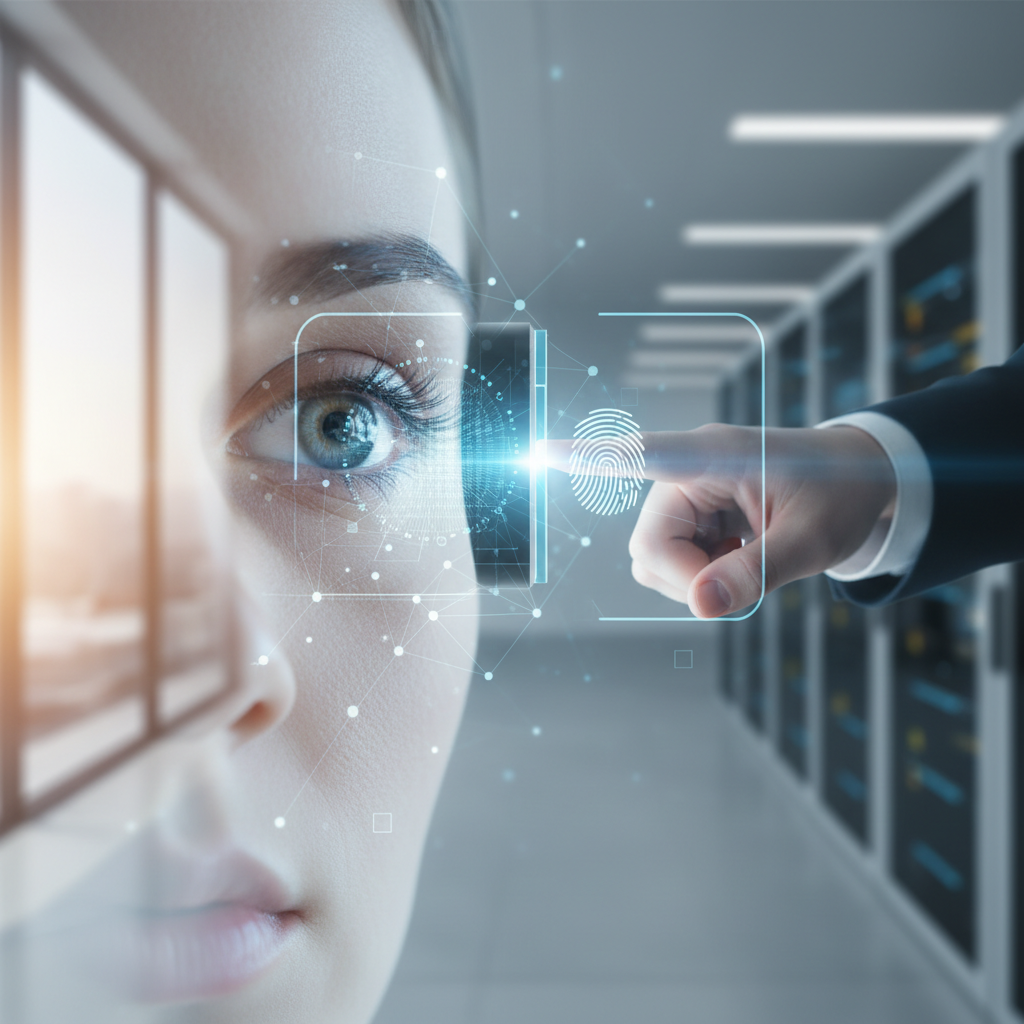
Emergence of Biometric Technology
The advent of biometric systems has ushered in a security revolution. Unlike conventional methods, these systems use intrinsic human identifiers for fast, reliable verification. Driven initially by the need for enhanced security, biometrics has swiftly expanded to numerous sectors, improving fraud prevention, data protection, and user convenience.
Applications of Biometric Verification Systems
- Banks and Financial Security: Financial institutions now utilize fingerprint and facial recognition to authorize transactions, significantly reducing fraud while providing users with streamlined security.
- Healthcare and Patient Identification: Accurate patient identification through biometrics helps prevent medical errors and safeguard sensitive health records.
- Immigration and Border Control: Countries implement biometric screenings at airports and borders combining facial and fingerprint recognition for fast identity verification and improved security.
- Smartphones and Consumer Electronics: Modern devices embed biometric sensors enabling secure access and simplifying app authentication.
- Workplace Access Control: Employers replace traditional ID cards with biometric verification to monitor and control entry to restricted areas, boosting security within organizations.
Technological Advancements Shaping Biometric Systems
- Artificial Intelligence and Machine Learning: AI and ML enhance biometric system accuracy, enabling real-time authentication with fewer errors.
- Cloud Biometric Authentication: Cloud platforms facilitate safe, scalable storage and remote access to biometric data, supporting multi-device authentication.
- Multi-Modal Biometrics: Combining several biometric traits, like fingerprints and facial recognition, reduces identity fraud and increases precision.
- Contactless Biometric Solutions: Growing demand for hygienic authentication post-pandemic has accelerated the adoption of contactless methods such as voice recognition and iris scanning.
Why This Matters
The integration of biometric technology touches virtually every aspect of daily life, enhancing security while improving convenience. With rising cyber threats and identity theft, biometric systems offer an improved layer of protection that is difficult to replicate or forge. Moreover, as these technologies evolve through AI and cloud innovation, they promise broader applications and heightened reliability. Yet, ensuring robust encryption and compliance with privacy standards remains critical to address data security concerns.
Conclusion
The future of biometric verification and identification technology is poised for expansive growth across industries. By replacing traditional authentication methods with biometric solutions, sectors from finance to healthcare and border security gain stronger safeguards and user-friendly access. Advances in AI, cloud computing, and contactless biometrics will further elevate system capabilities and trust. As these technologies mature, biometrics will continue to redefine identity verification and digital security in an increasingly connected world.