
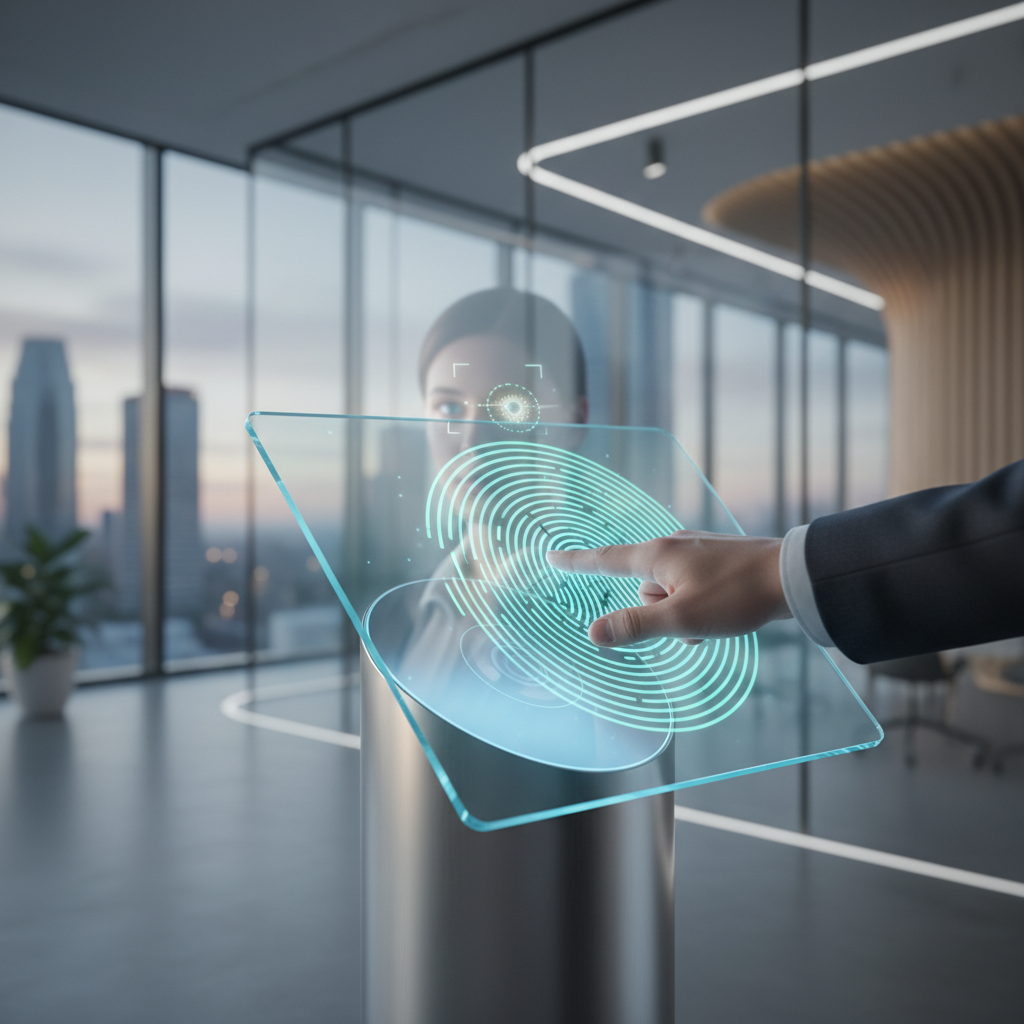
Biometric technology is rapidly reshaping the world of security and identification by replacing traditional password systems with biological identifiers such as fingerprints, facial scans, and voice recognition. This transformation is enhancing authentication processes across multiple industries, boosting security and convenience.
Emergence of Biometric Technology
Biometric verification systems use unique biological traits to authenticate individuals, providing a seamless and secure method of identification. As these technologies evolve, they improve fraud prevention, streamline processes, and strengthen cybersecurity.
Applications of Biometric Verification Systems
- Banks and Financial Security: Fingerprint and facial recognition technologies help banks prevent fraud and unauthorized access by securing transaction authorizations.
- Healthcare and Patient Identification: Biometric systems ensure accurate patient identification, improving safety by managing medical records accurately and preventing misidentification.
- Border Security and Immigration: Governments utilize facial recognition combined with fingerprint scans at airports and borders, enabling quick and reliable identity verification while enhancing safety.
- Smartphones and Consumer Electronics: Embedded biometric sensors on devices offer secure access and ease of use for internet applications.
- Workplace Access Control: Biometric systems replace ID cards and passcodes to control employee access to restricted areas, improving corporate security.
Advancements in Biometric Identification Technology
- Artificial Intelligence and Machine Learning: AI and ML enhance the accuracy and performance of biometric authentication, reducing false positives for more reliable identity verification.
- Cloud Biometric Authentication: Cloud storage of biometric data facilitates fast, secure, and remote authentication across multiple devices and locations.
- Multi-Modal Biometrics: Combining several biometric traits like fingerprint and facial recognition increases security levels and reduces identity fraud.
- Contactless Solutions: Post-pandemic, contactless biometric authentication including iris scanning and voice recognition has gained prominence, offering hygienic and efficient alternatives.
The Future of Biometric Technology
With ongoing advancements in AI, cloud computing, and cybersecurity, biometric technology is poised to become a key driver of secure digital authentication across diverse sectors. Despite concerns about privacy and data protection, strong encryption and adherence to international standards will bolster trust and wider adoption.
Why This Matters
Biometric technology significantly increases security by making identity verification both more reliable and user-friendly. This reduces fraud risks and errors while enhancing convenience for users. As digital threats grow, stronger authentication methods are essential to protect sensitive data across banking, healthcare, travel, and personal electronics.
Conclusion
The future of biometric verification offers a promising vision for safer, faster, and more accurate identification. From speeding airport procedures to safeguarding patient information and securing financial transactions, biometrics is redefining how identity is protected. With continuous innovation, these systems will become integral to everyday security worldwide.