
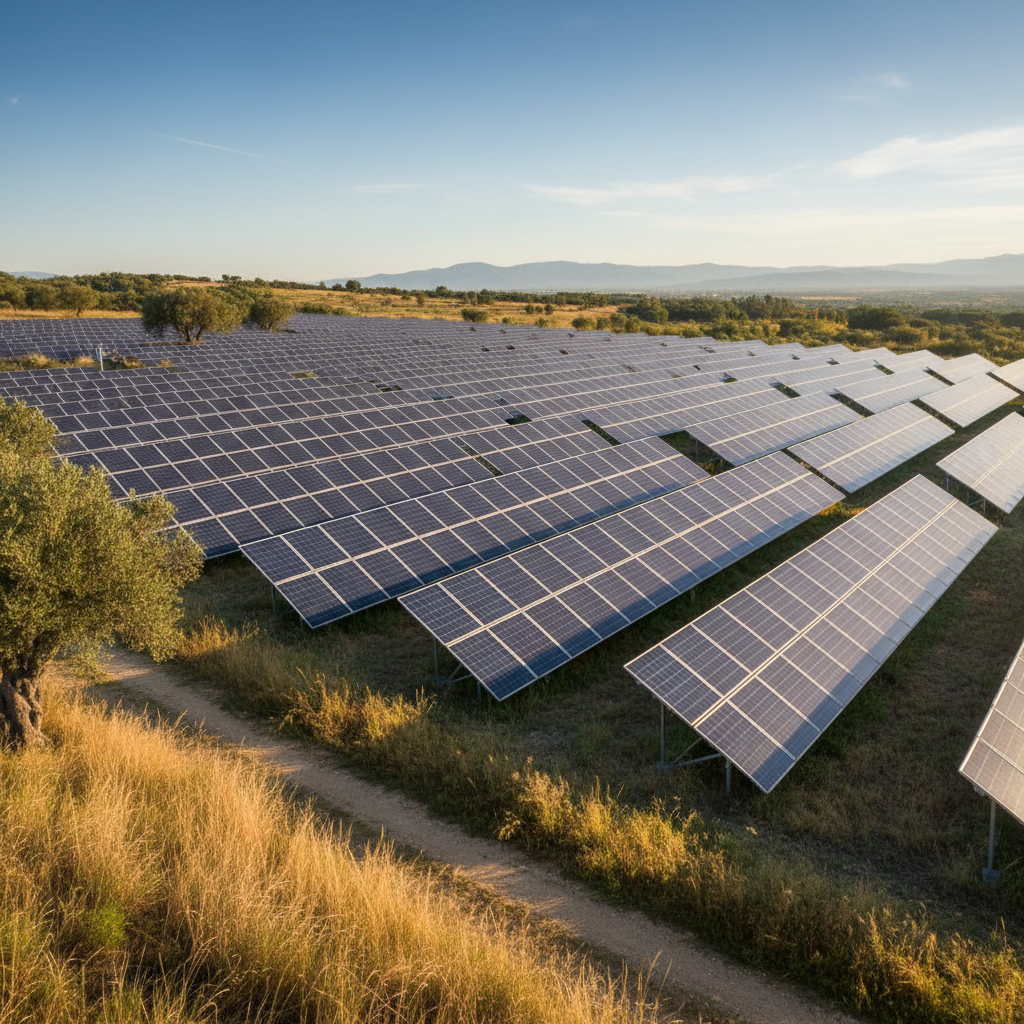
As Europe approaches spring, solar energy production has seen a substantial increase during the seventh week of 2024. This growth marks a reversal of the slight decline witnessed in the previous week and highlights the expanding role of photovoltaic energy across the continent.
Notable Increases in Solar Output Across Key Markets
Between February 12 and 18, 2024, major European electricity markets reported significant jumps in solar power generation, with increases ranging from 38% in France to an impressive 83% in Italy. Spain, Portugal, and Italy reached their highest-ever daily solar production for a February month, benefiting from longer days and increased sunlight:
- Spain generated 118 GWh of solar power on February 17, the highest daily value since October 11, 2023.
- Portugal produced 13 GWh on February 18, marking the highest solar output since early October and for any February month.
- Italy recorded 77 GWh on February 14, the highest solar photovoltaic production for February in its history.
- France achieved 56 GWh on February 13, the highest since mid-October 2023.
Market and Price Stability Amid Rising Solar Production
While solar energy flourished, electricity market prices across Europe generally remained stable with average prices mostly below €70/MWh. The MIBEL market, covering Spain and Portugal, reported the lowest price averages for the second consecutive week. Concurrently, futures prices of gas and CO2 dropped to levels not seen since mid-2023 and late 2021, respectively, indicating shifting dynamics in energy commodity markets.
Forecasts and Future Trends
Looking ahead to week 8, forecasts by AleaSoft Energy suggest continued upward solar production trends in Spain and Germany. However, Italy could experience a dip, indicating regional variations in solar generation based on weather patterns and daylight changes.
Why This Matters
The surge in solar energy output across Europe is a clear indicator of the continent making strides toward renewable energy goals and reducing reliance on fossil fuels. Higher photovoltaic production not only supports electricity supply stability but also contributes to lowering carbon emissions and energy costs. Tracking these trends helps policymakers, investors, and consumers understand the evolving energy landscape.
Moreover, the stabilization of electricity prices alongside rising renewable generation presents a positive sign of market balance during the energy transition.
Conclusion
The seventh week of 2024 marked a milestone for European solar energy, with key countries posting record outputs for February. These gains reinforce the growing importance of solar power in the region’s energy mix and highlight the benefits of longer daylight hours as spring approaches. As Europe continues to expand its renewable infrastructure, monitoring such production and market trends will be crucial for shaping future energy strategies.