
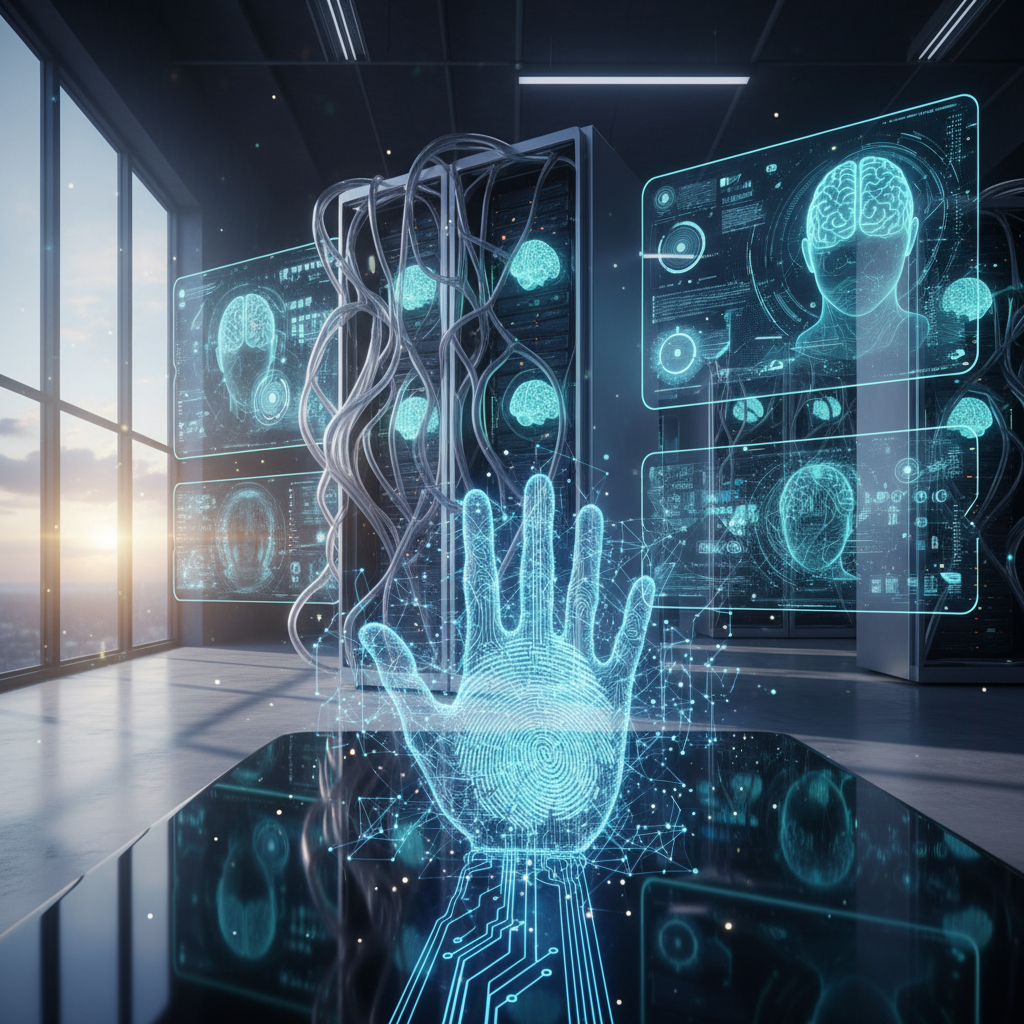
Biometric technology is evolving rapidly, driven by artificial intelligence (AI) innovations that are shaping the future of secure digital identity. This next-generation technology is redefining how individuals are authenticated beyond traditional passwords and PINs.
Introduction to Next-Generation Biometric Technology
Unlike conventional methods, next-generation biometric systems use unique physical and behavioral traits such as facial recognition, fingerprints, iris scans, voice patterns, palm vein imaging, gait analysis, and behavioral biometrics for identity verification. Integrating AI, machine learning, cloud computing, edge AI, and multimodal authentication, these systems provide faster, more accurate, and secure identity validation.
Key Innovations in Biometric Technology
- Artificial Intelligence & Machine Learning: Enhances pattern recognition accuracy and adapts to evolving security threats.
- Multimodal Authentication: Combines multiple biometric inputs to reduce false positives and improve reliability.
- Cloud and Edge Computing: Improves data processing speed and supports real-time authentication in distributed environments.
Applications Across Industries
Biometric systems are increasingly adopted across sectors such as government, finance, healthcare, aviation, and consumer electronics. These technologies help in:
- Strengthening security protocols
- Reducing fraud and identity theft
- Enhancing user convenience with contactless verification
- Supporting digital identity initiatives worldwide
Market Growth and Future Outlook
The global biometric system market is projected to expand significantly, from USD 53.22 billion in 2025 to USD 95.14 billion by 2030, reflecting a compound annual growth rate (CAGR) of 12.3%. This surge is driven by escalating cybersecurity concerns and the growing adoption of AI-powered biometric solutions.
Why This Matters
As digital interactions multiply, ensuring identity security becomes paramount. Next-generation biometric technologies empower organizations to protect sensitive data, streamline access control, and enhance user trust. AI integration not only improves accuracy but also helps anticipate and mitigate fraudulent activities, fostering safer digital environments for all users.
Conclusion
AI-enabled biometric technology represents the forefront of digital identity verification, offering robust security and convenience. With broad applications across diverse sectors and strong market growth, these innovations are set to redefine how identities are verified securely in our increasingly connected world.