
As digital interactions become ubiquitous, ensuring secure and accurate identity verification has never been more critical. Next-generation biometric technology, powered by artificial intelligence (AI), is poised to revolutionize how we authenticate identities across diverse sectors.
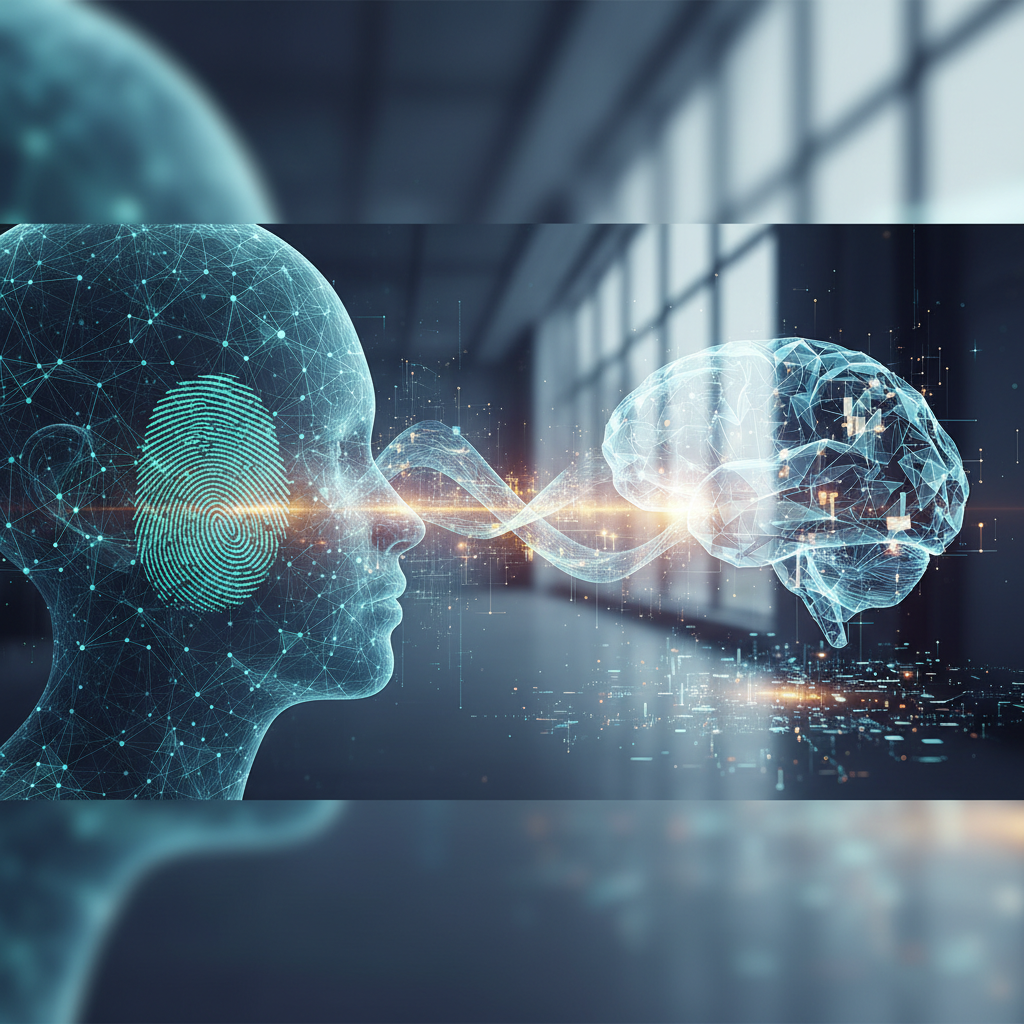
What is Next-Generation Biometric Technology?
Next-generation biometric technology uses unique physical and behavioral traits to verify an individual’s identity. These traits include facial features, fingerprints, iris patterns, voice, palm vein patterns, gait, and behavioral biometrics. Unlike traditional methods such as passwords or PINs, biometric technology provides a seamless and robust form of authentication.
The latest innovations integrate AI, machine learning, cloud computing, edge AI, and multimodal authentication techniques. These advancements enable systems to offer faster, more accurate, and highly secure identity verification services.
Industry Adoption and Market Growth
Government agencies, financial institutions, healthcare providers, airports, enterprises, and consumer electronics manufacturers are adopting AI-powered biometric systems at a rapid pace. The key drivers include heightened cybersecurity concerns, the need for contactless authentication, and digital identity initiatives aimed at enhancing user experience while mitigating fraud.
According to MarketsandMarkets, the biometric system market is forecasted to grow from USD 53.22 billion in 2025 to USD 95.14 billion by 2030, reflecting a compound annual growth rate (CAGR) of 12.3%. This substantial growth underscores the increasing trust and reliance on biometric solutions worldwide.
Evolution of Biometric Technology
Biometric authentication began with fingerprint recognition primarily used for law enforcement and government ID programs. As technology progressed, facial and iris recognition became standard, supported by rising computational power. Today, AI enhances these traditional modalities by enabling behavioral biometrics and multimodal systems that combine several identification methods for increased security and accuracy.
Why This Matters
In a world where data breaches and identity theft are prevalent, secure and efficient authentication methods are paramount. AI-driven biometric technologies reduce reliance on vulnerable passwords and static credentials, significantly lowering the risk of unauthorized access. This transformation benefits both users and organizations by providing a frictionless yet robust security layer—essential for digital transactions, access control, and regulatory compliance.
Moreover, AI enables continuous learning and adaptability of biometric systems, allowing them to detect sophisticated fraud attempts and improve over time, maintaining a cutting-edge defense against emerging threats.
Conclusion
The integration of AI in next-generation biometric technology marks a major leap forward in secure digital identity verification. With growing adoption across multiple sectors and a rapidly expanding market, these innovations promise enhanced security, better user experience, and a future where identity verification is seamless and more reliable than ever.