
In a world where digital interactions are growing exponentially, ensuring secure and reliable identity verification is more critical than ever. Next-generation biometric technology, enhanced by artificial intelligence (AI), is setting new standards in digital security and authentication.
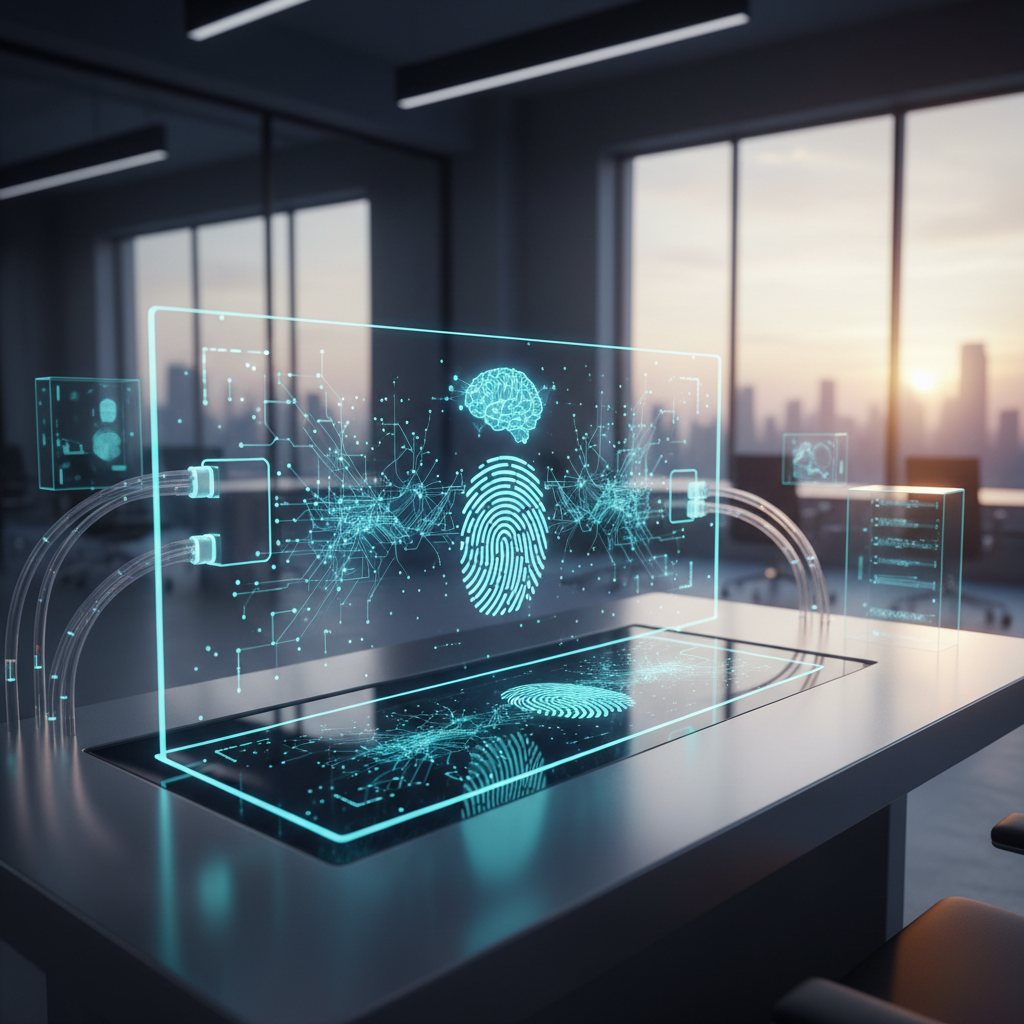
What is Next-Generation Biometric Technology?
Next-generation biometric technology uses unique physical and behavioral traits—such as facial recognition, fingerprints, iris scans, voice patterns, and even gait analysis—to authenticate individuals. Unlike conventional methods like passwords and PINs, these biometric systems provide a much higher level of security by verifying identities through inherent biological characteristics.
The latest innovations incorporate AI, machine learning, cloud computing, edge AI, and multimodal authentication, enabling faster and more accurate identity verification processes.
Applications Across Industries
Biometric systems enhanced by AI are increasingly adopted by governments, financial institutions, healthcare providers, airports, enterprises, and consumer electronics manufacturers. They help strengthen security measures, reduce fraud, and improve the overall user experience.
Market Growth and Trends
According to MarketsandMarkets, the global biometric system market is projected to expand from USD 53.22 billion in 2025 to USD 95.14 billion by 2030, growing at a compound annual growth rate (CAGR) of 12.3%. This growth is driven by heightened cybersecurity concerns, widespread digital identity adoption, expanding contactless authentication, and rapid AI-powered innovations in biometric technologies.
Brief History and Evolution
Initially, biometric authentication focused on fingerprint recognition, primarily for law enforcement and government identification. Over time, advancements in computing power led to the inclusion of facial recognition, iris scanning, and behavioral biometrics. The integration of AI and machine learning has now propelled these technologies into their next phase, offering unprecedented accuracy and security.
Why This Matters
With increasing digital interactions, traditional security methods are no longer sufficient to prevent identity theft and fraud. AI-powered biometric technology offers a robust alternative, enhancing security while maintaining user convenience. This shift is essential not only for protecting sensitive data but also for fostering trust in digital ecosystems across the globe.
Conclusion
The fusion of AI with biometric technology marks a pivotal step toward securing digital identities in an increasingly connected world. As adoption grows across industries, these next-generation systems promise safer transactions, streamlined processes, and a more secure digital future for everyone.