
As 2026 approaches, the video surveillance and analytics landscape is evolving rapidly. Key technological advancements are driving smarter, more efficient, and scalable security systems across multiple industries. This post explores the major CCTV technology trends to help businesses and security professionals stay ahead.
Understanding CCTV and Its Role in Security
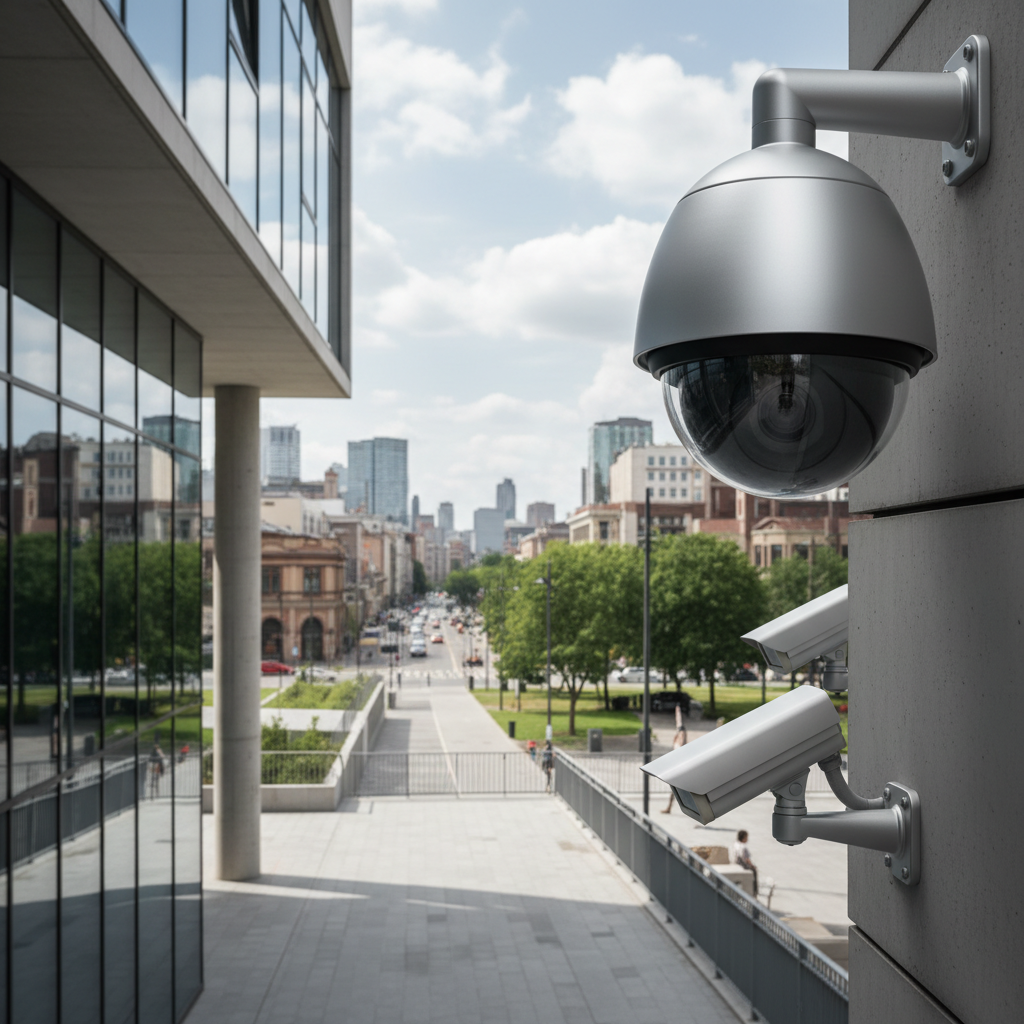
Closed-Circuit Television (CCTV) technology encompasses a network of cameras, recorders, and software designed to monitor and transmit video to specific locations. It provides real-time surveillance and vital evidence capture, helping deter crime and enhance security across businesses, institutions, and public spaces.
AI-Powered Video Analytics: Transforming Footage Into Actionable Data
One of the most significant 2026 trends is the integration of artificial intelligence (AI) in video analytics. By converting hours of raw footage into big data, AI-powered systems identify patterns, detect anomalies, and deliver actionable insights.
- Deep Learning Analytics: Deep learning enables security cameras to recognize people, objects, and vehicles accurately, improving threat detection and operational decision-making.
- Efficiency and Accuracy: Continuous AI monitoring operates without fatigue or distraction, enhancing accuracy compared to manual observation.
- Integration and Automation: AI systems can link with alarms, sensors, and access control for automated, real-time response to security events.
Cloud-Native and Edge Computing Solutions
Cloud-connected surveillance solutions are gaining popularity for their scalability and remote access capabilities. In parallel, edge computing processes data locally on devices to reduce latency and improve response times.
- Direct Camera-to-Cloud Technology: Facilitates faster access and management of footage without relying solely on local servers.
- Edge Computing: Enhances real-time processing on the device itself, enabling smarter cameras to operate efficiently even with limited network connectivity.
The Shift from Analog to 100% Digital Video Systems
Businesses are investing in fully digital IP camera systems over traditional analog setups, seeking higher resolution footage, advanced features, and seamless integration with modern software platforms. This transition supports the deployment of open-platform, energy-efficient, and ONVIF-compliant cameras.
Adoption of Security Cameras as a Service (CaaS)
‘As a Service’ (AaS) models are emerging as flexible approaches for implementing security technologies. CaaS enables companies to adopt advanced surveillance solutions with lower upfront costs, scalable infrastructure, and automated updates aligning security capabilities with operational needs.
Why This Matters
Keeping pace with these video surveillance and analytics trends is crucial for organizations aiming to improve safety, operational efficiency, and threat detection. Leveraging AI and cloud technology leads to smarter decision-making and faster, data-backed responses to security incidents, ultimately safeguarding people and assets more effectively.
Conclusion
Video surveillance and analytics technologies in 2026 will emphasize AI-driven insights, cloud connectivity, and digital transformation. Security professionals and businesses should prepare to integrate these innovations to maintain robust, future-proof security systems that meet evolving challenges.