
Solar technology is advancing at an unprecedented pace, driving efficiency, affordability, and versatility higher than ever before. In 2026, solar panels are thinner, smarter, and more powerful, transforming both residential and commercial clean energy projects worldwide.
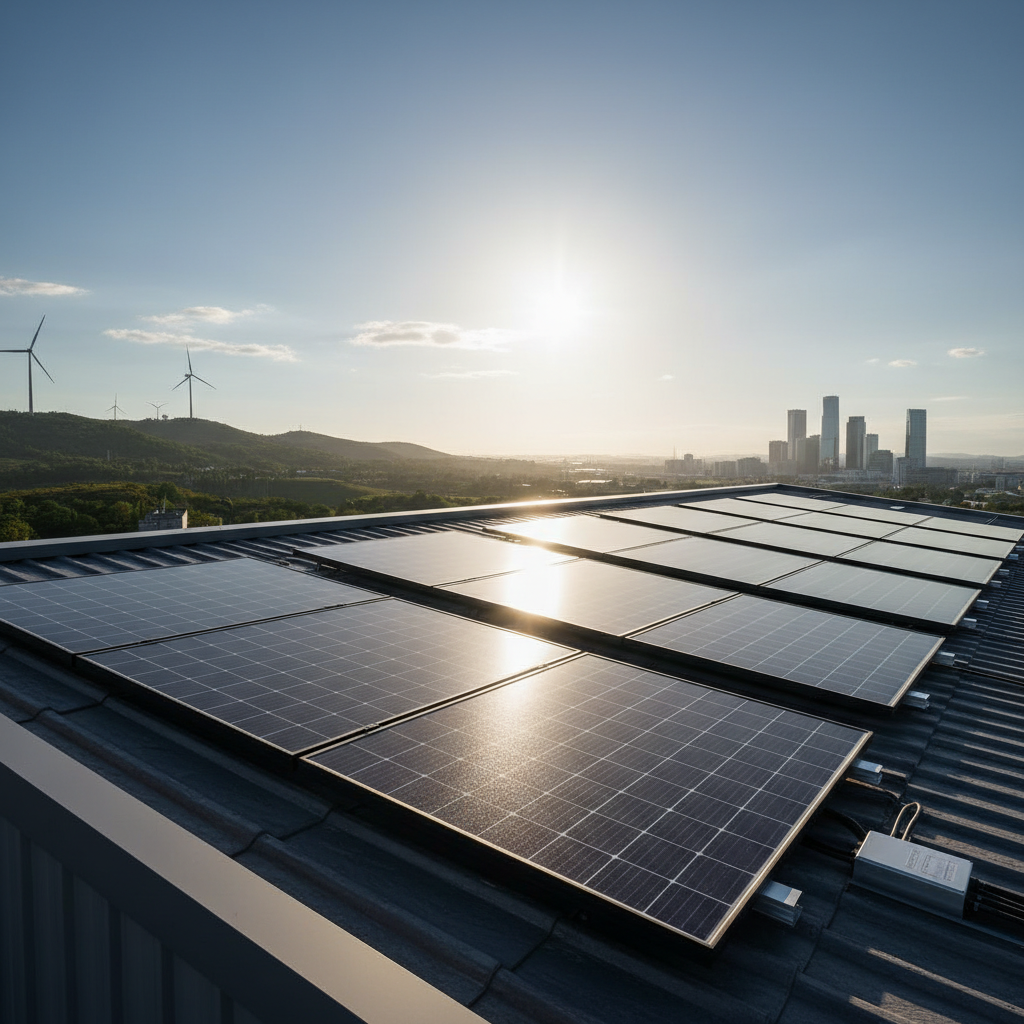
How Much Have Solar Panels Improved?
Solar panel efficiency has significantly risen—from about 10% in early models to over 20% in most residential panels today. Recent breakthroughs have pushed these boundaries even further:
- Research Cell Efficiency: In 2025, LONGi achieved an unprecedented 34.85% efficiency on a perovskite-silicon tandem research cell, certified by the U.S. National Renewable Energy Laboratory (NREL).
- Commercial Module Efficiency: Trina Solar set a commercial record with 25.44% efficiency using heterojunction technology, nearing the theoretical silicon limit.
- Long-Term Performance: First Solar’s thin-film panels retained 88% efficiency after 25 years, showcasing excellent durability.
Cutting-Edge Solar Technologies Available Today
Homeowners and businesses can now access several advanced solar technologies:
- Bifacial Solar Panels: Capture sunlight from both panel sides, increasing energy output by up to 20%.
- High-Efficiency Monocrystalline Silicon: Panels ranging between 22% to 23% efficiency.
- Smart Solar Inverters and AI Monitoring: These systems optimize output, predict maintenance needs, and integrate with batteries and EV chargers.
- Thin-Film CdTe Panels: Especially suited for utility-scale projects offering strong hot-climate performance.
- Emerging Flexible Solar: Lightweight, versatile panels for electronics and portable applications.
Perovskite Solar Cells: Leading the Next Wave
Perovskite materials have revolutionized solar technology by dramatically boosting efficiency and reducing manufacturing costs. These crystal materials absorb a wider range of the solar spectrum and can be combined into tandem cells with silicon, unlocking efficiency levels previously thought impossible.
Oxford PV began commercial shipments of perovskite-silicon tandem panels for utility-scale projects in 2024, with residential availability expected around 2027.
Innovations in Flexible and Transparent Solar Panels
- Flexible Solar Panels: Ultra-thin, lightweight, and adaptable, flexible panels are used in wearable tech, vehicle roofs, and remote installations where traditional panels are impractical.
- Transparent Solar Windows: Generating power while maintaining clear views, these panels absorb ultraviolet and infrared light and are gaining traction in architectural applications, especially high-rise buildings.
Smart Solar Technology and AI Integration
Smart solar systems enhance energy production through cloud-based monitoring and AI-driven optimization. Features include real-time performance tracking, predictive maintenance, and inverter-level controls that retain power generation during grid outages.
Looking Beyond Silicon: Future Solar Technologies
- Thin-Film CdTe Panels: Dominant in utility markets for efficient, low-cost solar energy.
- Single-Junction and Flexible Perovskite Panels: Under development for cost-effective, lightweight solutions.
- Space-Based Solar Power: Experimental projects like Caltech’s MAPLE demonstrate wireless power transmission from orbit.
- Self-Healing Panels: Research at top universities aims to extend panel lifespans by repairing damage automatically.
Why This Matters
Advancements in solar technology are critical to accelerating the global transition to clean, renewable energy. Enhanced efficiency increases power generation while reducing costs, making solar accessible to more homes and businesses. Innovations like smart monitoring and bifacial panels maximize returns on investment and reliability. As new materials and designs emerge, solar power’s role in energy independence and climate change mitigation becomes even more significant.
Conclusion
2026 marks a remarkable year for solar panel technology, combining record efficiencies, cutting-edge materials like perovskite, and smart system integration. These advances promise to make solar energy more affordable, versatile, and widespread than ever before. Whether you are a homeowner, business, or energy professional, staying informed about these trends is key to leveraging the full potential of solar power over the coming decade.