
Renewable energy in the United States is experiencing a transformative moment in 2026, with solar power playing a leading role. For the first time, solar energy generation exceeded coal, symbolizing a significant milestone in the nation’s clean energy transition.
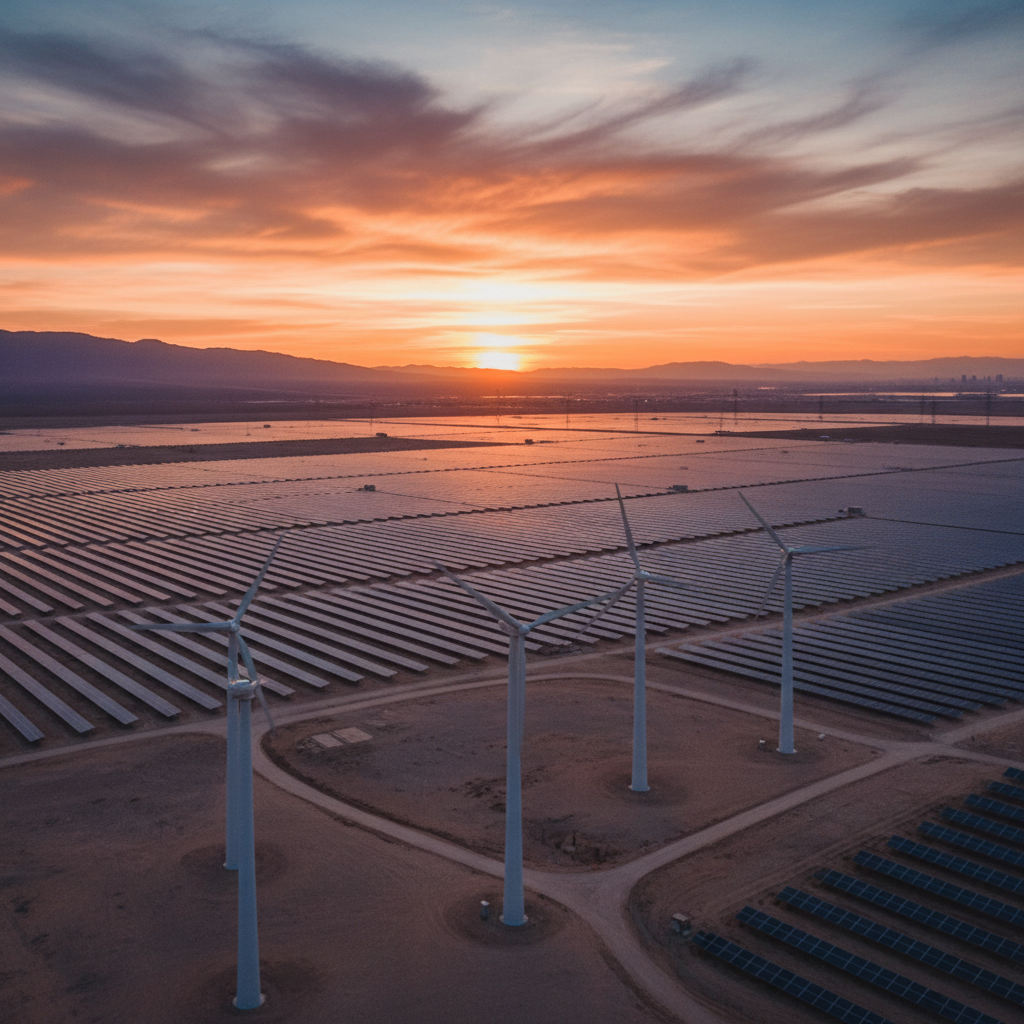
Historic Solar Power Achievements
In May 2026, U.S. solar power generated more electricity than coal for the very first time. This remarkable achievement reflects the rapid deployment of solar projects across the country, driven by technological advancements, favorable policies, and growing market demand.
Key contributors to this growth include major regional grids and residential installations, supported by robust financing mechanisms and commercial-scale projects. Solar and storage technologies accounted for an impressive 91% of new U.S. grid capacity added in the first quarter of 2026 alone.
Advances in Battery and Storage Technologies
Battery energy storage capacity is poised to increase sixfold globally by 2030, with the U.S. playing a pivotal role. Innovations such as virtual power plants and improvements in battery durability and efficiency are helping to integrate more solar power into the grid reliably.
Programs like the ConnectedSolutions initiative in Massachusetts have paid homeowners significant sums to support grid demand with residential batteries. Expansion into electric vehicle (EV) battery integration is also underway, promising new opportunities for grid flexibility during peak usage periods.
Challenges and Security Concerns
While solar power expansion is promising, rapid growth brings security risks, particularly during construction phases. Industry experts emphasize the need for scalable and proactive physical security measures to safeguard valuable solar assets from theft, vandalism, and cyber threats.
Additionally, environmental factors like wildfire smoke, which recently reduced solar irradiance across the Great Lakes and East Coast regions, present challenges to consistent solar generation that require advanced forecasting and mitigation strategies.
Why This Matters
The remarkable rise of solar power in the U.S. highlights the country’s commitment to cleaner energy and reducing greenhouse gas emissions. This transition supports climate goals, enhances grid resilience, and fosters energy independence. However, addressing emerging challenges such as security and grid integration is crucial to sustaining this momentum and ensuring reliable power for all consumers.
Conclusion
2026 marks a pivotal year for solar energy in the United States as it surpasses coal and advances renewable integration through innovative storage and grid technologies. Continued investment in security, technology development, and policy support will be essential to capitalize on these achievements and drive a sustainable energy future.