
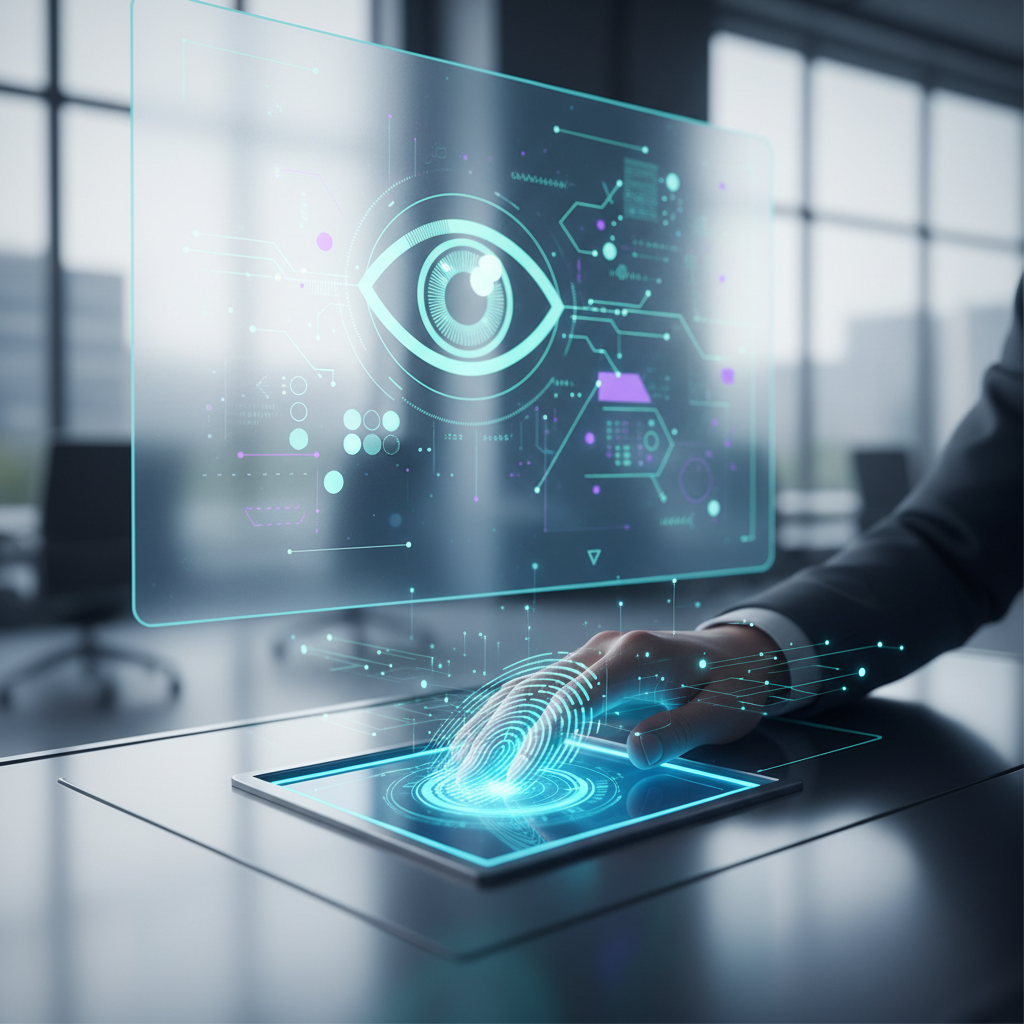
Biometric technology is rapidly evolving to meet the increasing demands for secure, inclusive, and efficient identity verification across various settings. The Department of Homeland Security (DHS) and National Science Foundation (NSF) are leading efforts to enhance these systems to function reliably even under challenging conditions.
Driving Factors Behind Biometric Advancements
Biometric systems play a critical role in verifying identities at borders, secure facilities, and travel checkpoints, ensuring that the correct individuals undergo necessary procedures. Arun Vemury, director of the Biometric and Identity Technology Center at DHS, emphasizes the significance of this technology in maintaining robust security protocols.
As attackers develop sophisticated methods to bypass biometric verification, researchers are focusing on strengthening defenses against non-human identity (NHI) spoofing and unauthorized access. Dr. Stephanie Schuckers of NSF’s Center for Identification Technology Research (CITeR) highlights the importance of capturing biometric data from real-life persons at the time of authentication to reduce fraudulent access.
Addressing Inclusivity Challenges
Current biometric technologies often struggle to deliver equitable performance across different demographics, including variations in gender, race, age, and skin tone. Traditional scales like the Fitzpatrick skin test, originally designed for UV radiation sensitivity among Caucasians, prove inadequate for diverse populations.
Efforts are underway to develop more precise measurements and improve system accuracy for all users. Both Vemury and Schuckers observe ongoing improvements driven by artificial intelligence, enhancing facial recognition and potentially benefiting iris and fingerprint identification technologies.
Overcoming Environmental Constraints
Biometric systems must also adapt to varying environmental conditions. For instance, biometric identification in maritime environments requires different capabilities compared to border checkpoints.
The push towards more robust solutions includes exploring new biometric modalities and optimizing technologies for smartphone-based and remote applications. This ensures broader accessibility, particularly for individuals facing challenges such as mobility impairments.
Why This Matters
Advances in biometric technology are crucial for enhancing national security, protecting sensitive information, and fostering inclusivity. By bridging gaps in accuracy and accessibility, these innovations help prevent fraud and unauthorized access while accommodating diverse user needs.
Moreover, improving biometric systems in complex environments expands their applicability, contributing to safer and more efficient security operations across various sectors.
Conclusion
With DHS and NSF leading vital research, biometric technologies are becoming more secure, inclusive, and adaptable. These efforts not only strengthen defense against evolving threats but also ensure that identity verification systems serve all populations effectively, making biometric authentication a more reliable cornerstone of modern security.