
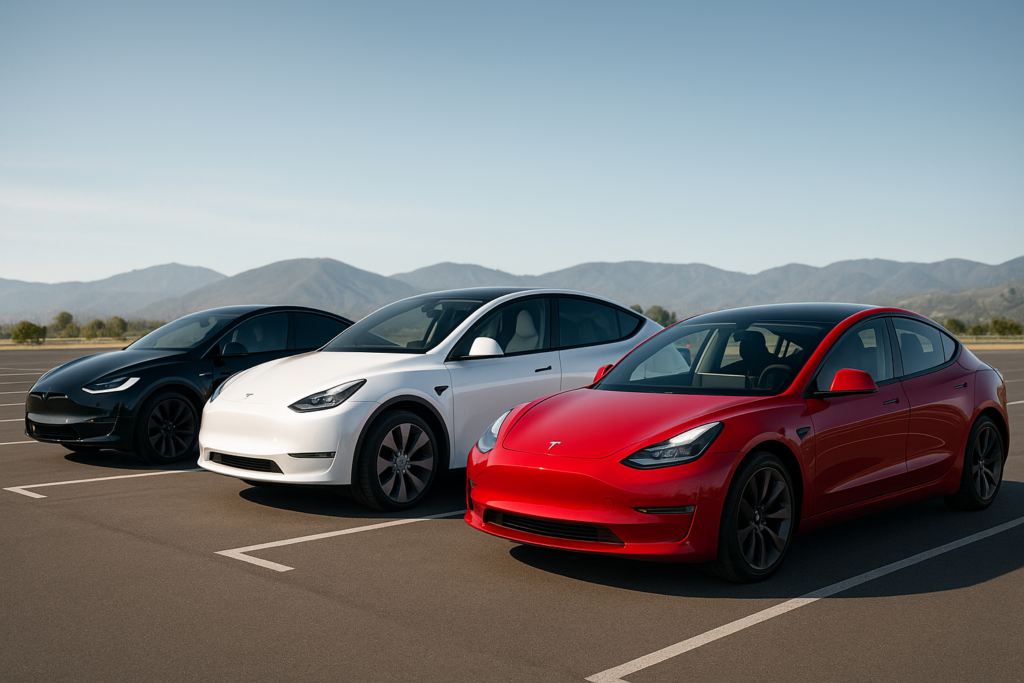
Hook: Tesla cut prices and launched stripped-down versions of its mass-market models to spur demand — but early results show the move has done little to accelerate growth.
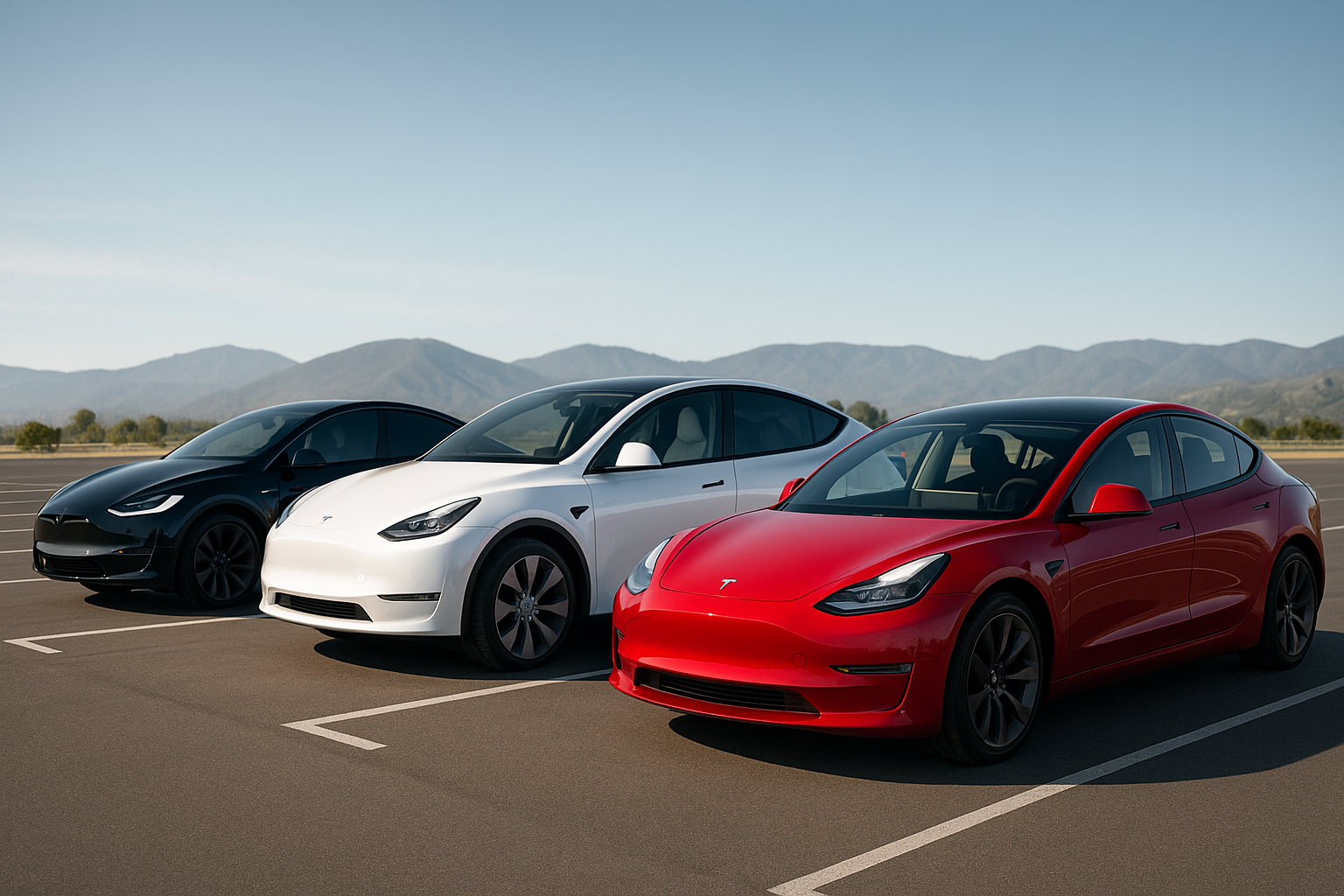
Q1 2026 snapshot
Tesla reported 358,023 vehicles delivered worldwide in the first quarter of 2026, below analyst estimates of roughly 368,000. The company produced 408,386 vehicles during the same period, meaning production outpaced deliveries by more than 50,000 units. Deliveries were only about 6% higher than in Q1 2025, a period that was already one of Tesla’s weakest quarters in recent years.
The cheaper cars and the price strategy
In October Tesla introduced pared-back versions of the Model Y and Model 3 with starting prices of $39,990 and $36,990, respectively. The move aimed to make Tesla’s lineup more accessible after plans for an even lower-cost $25,000 model were shelved. CEO Elon Musk redirected resources away from that project toward other priorities, including the CyberCab concept, and opted instead for simplified updates to existing models.
Why deliveries lag despite lower prices
- Supply vs. demand mismatch: Production exceeded deliveries by tens of thousands of units, indicating inventory build-up rather than immediate consumer uptake.
- Weak year-over-year base: Q1 2025 was unusually low due to temporary production line shutdowns, so a modest percentage increase doesn’t reflect robust growth.
- Product gaps: Tesla lacks a truly new, affordable mass-market model on the horizon to drive a step-change in volume.
- Competitive and macro headwinds: The broader EV market growth has slowed, and legacy automakers and startups alike are reconsidering ambitious EV rollouts amid shifting demand and cost pressures.
How Tesla’s other models performed
Sales of Tesla’s “other models,” which include the Cybertruck and legacy vehicles like the Model S and Model X, totaled 16,130 in Q1. While the Cybertruck has outperformed many competing electric trucks in absolute terms, it hasn’t met Tesla’s lofty internal expectations.
Where rivals stand
Tesla is not alone in facing stalled EV growth. Rivian, for example, reported shipments just over 10,000 vehicles in Q1 — a figure that has hovered near that level for several quarters. Rivian expects sales to gain traction with the upcoming R2 SUV, though lower-priced trims won’t arrive until later, and many automakers have reassessed or scaled back their EV timetables.
Why this matters
Tesla’s ability to expand mass-market EV adoption matters for several reasons: it influences industry pricing dynamics, shapes where automakers invest in new platforms, and affects supply chains that scale with production volume. Continued stagnation could pressure margins and profits, complicate Tesla’s growth narrative, and slow overall EV market momentum if other manufacturers follow suit in dialing back plans.
What to watch next
- Quarterly delivery trends through the rest of 2026, to see whether demand catches up to production.
- Any renewed plans for a genuinely lower-cost Tesla model or further product lineup adjustments.
- Competitor launches like Rivian’s R2 and broader price moves across the EV market that could signal a new phase of adoption.
Conclusion
Tesla’s trimmed-down Model 3 and Model Y have not yet produced the surge in demand the company needs to return to sustained growth. With production outpacing deliveries and no fresh, affordable mass-market model in immediate view, Tesla faces continued pressure to prove its long-term growth strategy in a slowing EV market.