
Quick take: New turbine contracts, aesthetic solar solutions and stable—but costlier—congestion management illustrate how growth and grid limits are shaping the renewable transition in 2026.
Latest headlines and market moves
This month saw a string of commercial wins and technology announcements from the renewable sector. Wind turbine maker Nordex secured multiple contracts in Europe and Türkiye totaling well over 100 MW, while German module producer Solar Fabrik launched a colored photovoltaic panel aimed at historic and protected buildings. At the same time, grid operators reported stable congestion-management volumes for 2025 even as related costs ticked up.
Nordex wins and the continuing boom in wind projects
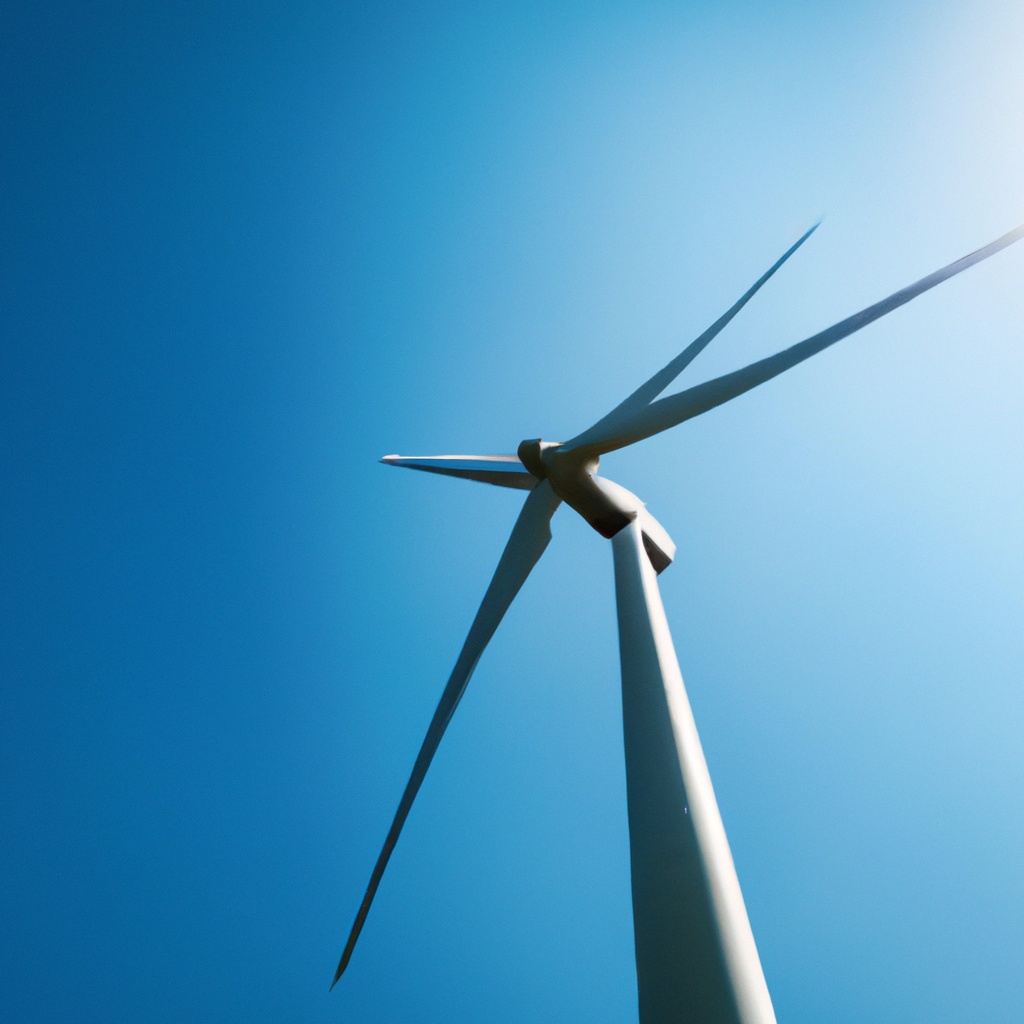
Nordex has continued to accumulate orders across Europe. Recent contracts include a 35 MW installation in Germany—five N163/6.X turbines for the Frettertal project—and further repowering and new-build packages, including nearly 40 MW in Schleswig-Holstein and a substantial 120 MW contract in Türkiye featuring N175/6.X machines. These awards reflect both new site development and repowering activity as countries seek to increase output from existing wind hubs.
Solar Fabrik targets heritage buildings with colored PV
Integrating PV on protected or visually sensitive buildings remains challenging. Solar Fabrik introduced colored photovoltaic modules designed to better match facades and rooflines of historic structures, helping planners satisfy heritage constraints while expanding rooftop solar deployment in urban and conservation areas.
Grid congestion management and generation data
Analysis by SMARD and ENTSO-E-linked reporting showed that congestion management remained essential in 2025 as renewables expanded. Key points:
- Over 96% of renewable electricity produced was fed into the grid despite constraints.
- Congestion-management volumes were broadly stable year-on-year, but system-level costs rose slightly in 2025.
- European generation through early April 2026 shows renewables contributing substantially: renewable generation subtotal reached about 299.0 bn kWh versus 270.6 bn kWh in the same period of 2025, helping push total EU generation modestly higher year-on-year.
Country-level instantaneous renewable outputs (examples) include Germany ~41,758 MW, Spain ~22,940 MW and France ~18,314 MW at the reporting snapshot—underscoring the scale of variable generation operators must manage.
Market indicators: RENIXX World and sector momentum
The RENIXX World index, which tracks major listed renewable energy companies, remains a barometer for investor sentiment in the green industry. Recent listings and corporate activity—including project awards and on-site corporate PPAs—signal ongoing private and corporate appetite for renewables, even as grid integration challenges require targeted investment in transmission, storage and flexibility services.
Why this matters
Policy and planning: Continued turbine orders and rooftop PV innovations show supply-side momentum, but grid bottlenecks and rising congestion costs demonstrate the need for coordinated transmission upgrades and market reforms.
Investment signals: Large-scale contracts and corporate PPAs indicate investor confidence, yet the economics will depend on system integration costs and revenue certainty for operators.
Practical deployment: Aesthetic PV modules for heritage sites remove a non-technical barrier to urban solar growth, helping cities expand distributed generation without compromising built heritage.
Conclusion
April’s developments highlight a maturing renewable sector: technology and commercial deals are scaling up, while system operators and policymakers face the twin tasks of integrating growing variable generation and managing the modestly higher costs of congestion. Investment in grid flexibility and targeted policy action will be key to sustaining growth and keeping renewable electricity flowing where it’s needed.