
Renewable energy is revolutionizing how we power homes, businesses, and communities globally. As concerns about climate change and energy security escalate, understanding the pros and cons of renewable energy becomes essential for informed decisions.
What Is Renewable Energy?
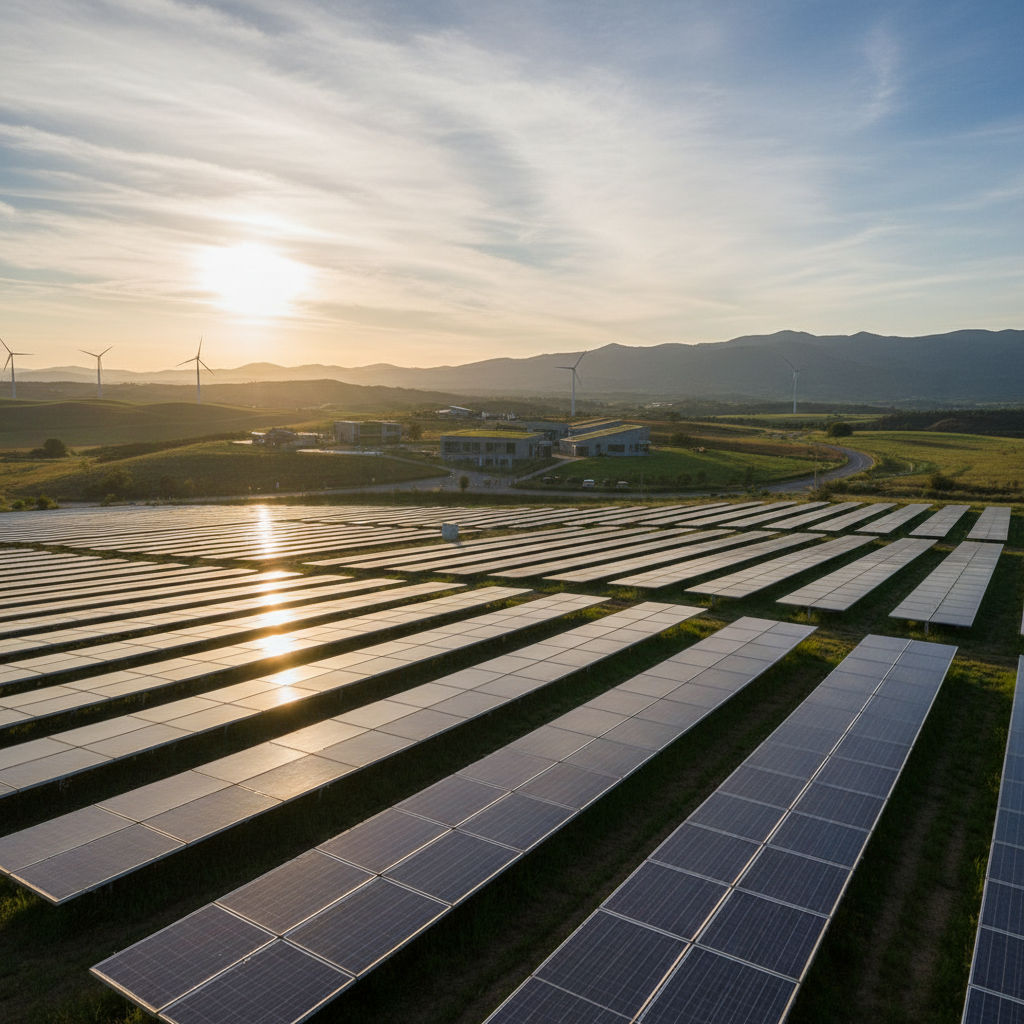
Renewable energy is generated from resources that naturally replenish, including sunlight, wind, water, geothermal heat, and biomass. Unlike fossil fuels, these sources provide energy without depleting Earth’s natural reserves.
Advantages of Renewable Energy
- Unlimited Fuel Supply: Solar, wind, and other renewable sources are inexhaustible when managed sustainably, unlike finite fossil fuels.
- Low Carbon Emissions: Renewable energy systems produce little to no greenhouse gases during operation, helping combat climate change.
- Improved Air and Water Quality: Renewables avoid harmful pollutants associated with fossil fuel combustion, supporting healthier communities and ecosystems.
- Long-Term Energy Savings: Despite upfront costs, renewable technologies often lead to reduced electricity expenses over time as installation prices drop.
- Job Creation and Economic Growth: The renewable sector is rapidly expanding, offering numerous employment opportunities and stimulating economic development.
Disadvantages of Renewable Energy
- Higher Initial Costs: Installing renewable infrastructure like solar panels and batteries can require significant investment upfront.
- Intermittency Issues: Energy production depends on weather conditions, creating variability and challenges in supply consistency.
- Energy Storage Needs: Storing excess energy to balance supply and demand remains expensive and complex.
- Geographical Limitations: Effectiveness varies by location; for example, solar panels perform better in sunny regions, while wind turbines need consistent wind.
- Environmental Impact of Manufacturing: While operational emissions are low, producing and disposing of renewable technology involves some carbon footprint.
Why This Matters
Understanding renewable energy’s advantages and disadvantages helps policymakers, businesses, and individuals make strategic choices. Transitioning to renewables is critical for reducing global carbon emissions, protecting public health, and fostering sustainable economic growth. Balancing the benefits with challenges like intermittency and costs is key to building resilient energy systems.
Conclusion
Renewable energy offers substantial environmental, economic, and social benefits, despite some limitations. Continuous advancements in technology and energy storage are enhancing reliability and affordability. Embracing renewables alongside energy efficiency measures and supportive policies will be vital to transitioning to a cleaner, sustainable energy future.