
The ongoing fuel supply crisis in the United Kingdom has sparked a significant surge in interest for electric vehicles (EVs), as consumers seek alternatives to petrol and diesel cars.
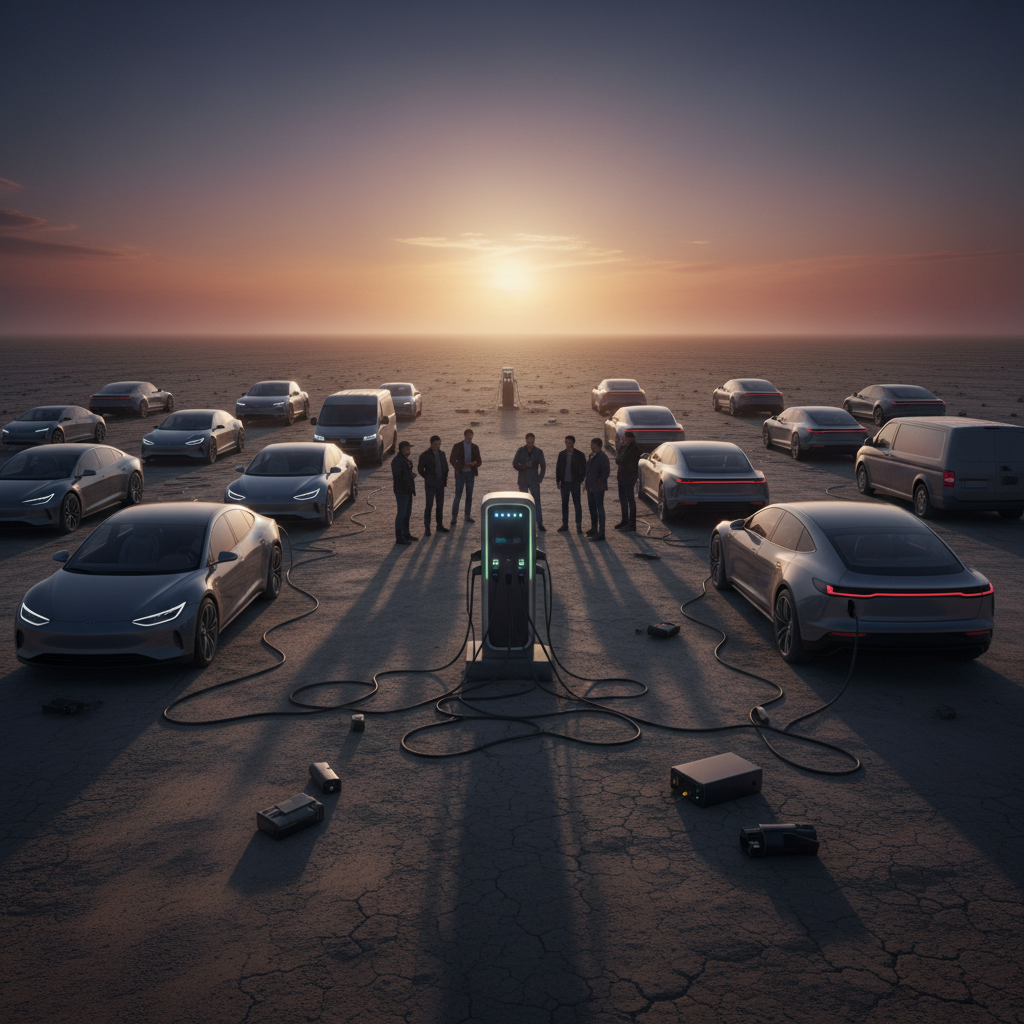
Fuel Crisis Drives EV Searches
Online car marketplaces, including Autotrader and heycar, have reported notable increases in searches and enquiries for electric vehicles. Autotrader observed a 60% jump in EV searches over a recent weekend, while heycar saw leads for electric cars more than double compared to the same period last year, with a 159% increase.
Consumer Concerns and Market Trends
Ian Plummer, Commercial Director at Autotrader, highlighted that fears of fuel shortages are shifting public sentiment from traditional “range anxiety” towards what he terms “fuel anxiety.” This has driven record levels of engagement with EV listings, including a 28% rise in views for new models and a 61% increase for used cars on their platform.
Car leasing comparison site LeaseLoco noted that EV deals accounted for 33% of all searches in the past week, up from 25% in August, indicating growing consumer preference for electric alternatives.
Supply Chain and Infrastructure Challenges
The crisis began when BP temporarily closed several petrol stations due to a shortage of lorry drivers needed to transport fuel, leading to panic-buying and long queues at many filling stations. The Petrol Retailers Association reported that up to two-thirds of petrol stations had run dry or were running low on fuel.
Despite the uptick in EV interest, concerns about the higher upfront costs of electric cars and the adequacy of charging infrastructure persist. Industry leaders emphasize the need for expanded and improved EV charging networks to support sustained growth in electric vehicle adoption.
Industry and Government Perspectives
Sean Kemple, Managing Director of Close Brothers Motor Finance, pointed out that the fuel supply issues could act as a catalyst encouraging motorists to choose greener options. However, continued progress depends on coordinated government support and collaboration within the automotive industry to enhance EV infrastructure and affordability.
Why This Matters
The surge in EV demand during the fuel crisis underscores an important shift in consumer behavior and highlights vulnerabilities in traditional fuel supply chains. Accelerating the transition to electric vehicles could reduce dependence on fossil fuels, improve air quality, and support the UK’s environmental targets. However, achieving this requires addressing critical infrastructure and cost challenges to make EVs accessible and practical for all motorists.
Conclusion
The UK fuel supply crisis has brought electric vehicles into sharper focus for many consumers, driving record interest and enquiries. While the spike in demand signals changing attitudes, the long-term success of EV adoption depends on expanding infrastructure, enhancing affordability, and sustained industry-government collaboration. This moment could represent a pivotal step toward a cleaner, more resilient transportation future in the UK.