
In today’s world, security is more important than ever. Closed-Circuit Television (CCTV) systems have become an essential tool in monitoring and protecting properties. But what exactly is CCTV, and how does it help enhance security? This article explores the fundamentals of CCTV, its components, benefits, and future trends.
Understanding CCTV Technology
CCTV stands for Closed-Circuit Television, a system where video cameras transmit signals to specific monitors without broadcasting them publicly. Originating in the late 1920s, CCTV’s initial use was for military observation, evolving significantly into the advanced digital systems we use today.
Its primary function is to monitor and record activities in real-time to deter crime and support investigations by law enforcement with recorded evidence.
How CCTV Systems Work
Typical CCTV systems comprise cameras, video recorders, and monitors. Cameras capture video footage, which is transmitted to recording devices such as Digital Video Recorders (DVRs) or Network Video Recorders (NVRs), depending on whether the system is analog or digital.
Modern systems often use IP (Internet Protocol) cameras, which provide high-resolution video and allow remote monitoring through network connectivity. Power over Ethernet (PoE) technology simplifies installation by transmitting power and data through a single cable.
Types of CCTV Cameras
- Dome Cameras: Vandal-resistant with night vision, compact for indoor use, often equipped with pan-tilt-zoom features.
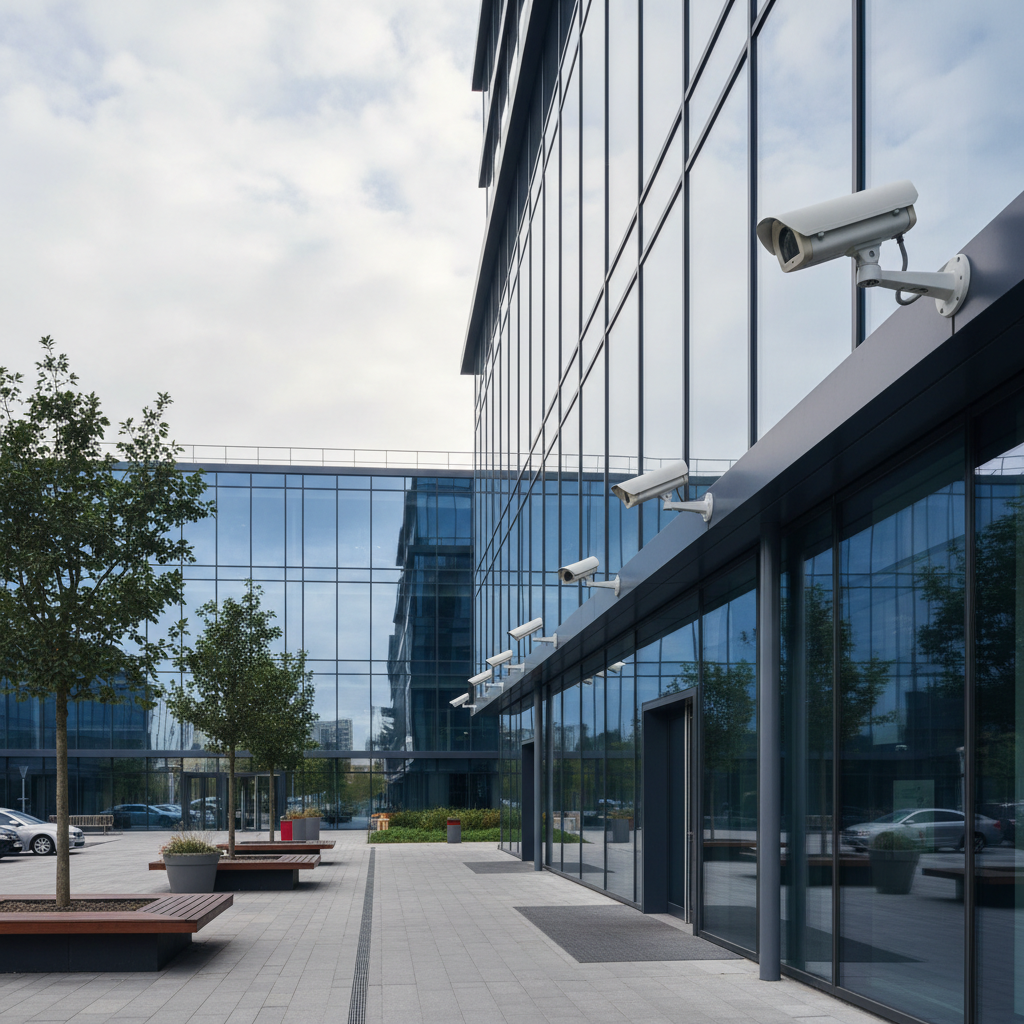
- Bullet Cameras: Designed for long-distance outdoor surveillance, ideal for monitoring parking lots and perimeters.
- IP Cameras: Offer higher resolution, remote access, and ease of installation, making them popular for both residential and commercial use.
- Wireless Cameras: Provide flexible placement and easy installation, often used in smaller settings.
Benefits and Challenges of CCTV
CCTV systems provide several advantages such as crime deterrence, evidence collection, remote monitoring, and increased peace of mind for property owners. However, they also face challenges including privacy concerns, installation costs, and the need for technical maintenance.
Why This Matters
Security threats continue to evolve, and having an effective surveillance system is crucial for protecting people, property, and assets. CCTV technology not only helps to prevent crime but also supports rapid response and investigation, making environments safer. As technology advances, systems become more intelligent and accessible, further enhancing their value in security strategies.
Future Trends in CCTV Technology
The future of CCTV includes more integration with artificial intelligence (AI) for improved analytics, facial recognition, and real-time alerts. Networking improvements facilitate seamless remote access and system scalability, while innovations like thermal imaging and 4K resolution expand surveillance capabilities.
Conclusion
CCTV remains a vital component of modern security frameworks. Its ability to monitor, deter, and provide evidence makes it indispensable to homes and businesses alike. With continuous advancements in technology, CCTV systems will grow more effective, helping communities and organizations proactively manage safety concerns.