
As businesses and organizations strive to enhance their security frameworks, video surveillance and analytics technologies are evolving rapidly. The year 2026 promises significant advancements driven by artificial intelligence, cloud integration, and smarter camera systems.
Understanding CCTV Technology
Closed-Circuit Television (CCTV) technology forms the backbone of modern video security. It encompasses cameras, video recorders, video management software, and intelligent analytics systems designed to transmit and analyze video data within a closed network. CCTV not only provides live visual monitoring but also acts as a deterrent against crime and supports investigations through recorded evidence.
AI-Powered Smart Analytics Turning Footage into Actionable Insights
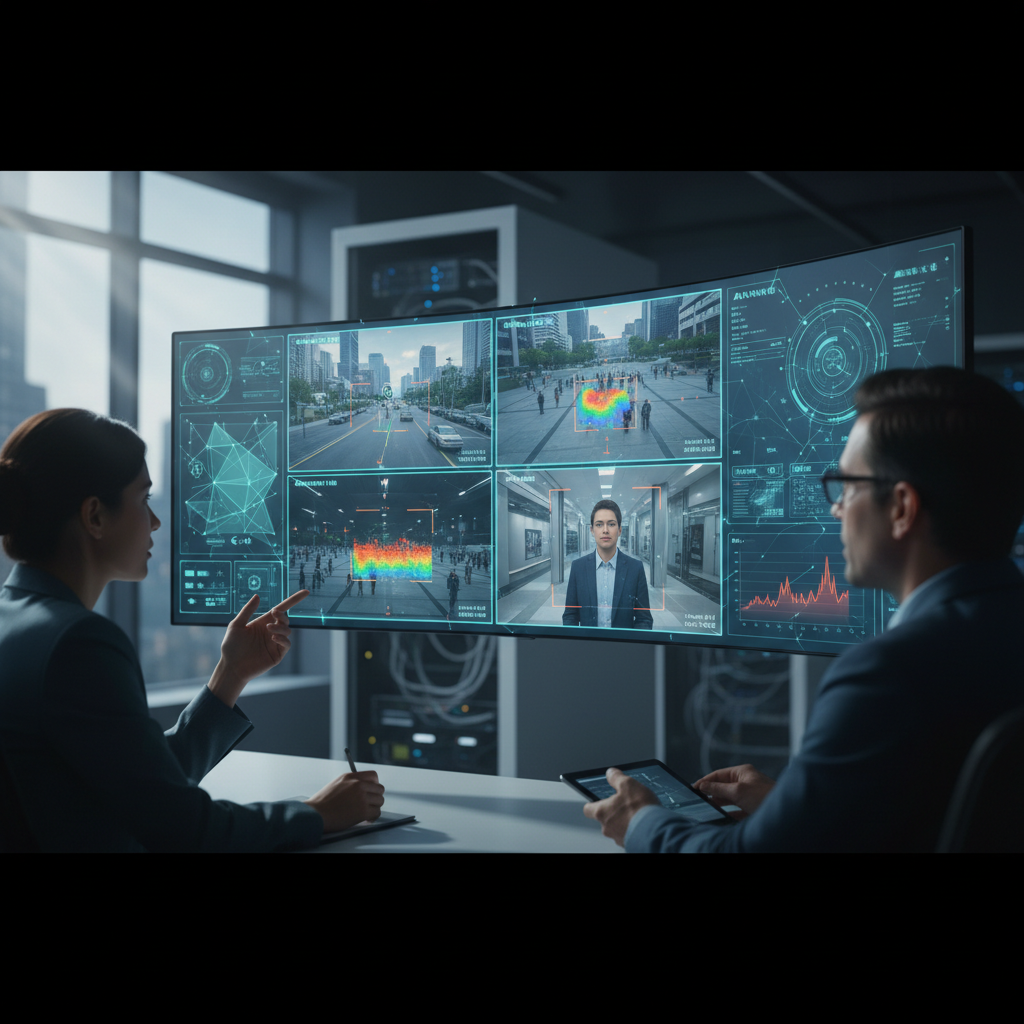
One of the standout trends in 2026 is the integration of AI-driven smart analytics that transform vast amounts of video footage into valuable big data. Advanced deep learning algorithms enable cameras to automatically recognize people, objects, and vehicles, significantly improving detection accuracy and operational efficiency.
- Improved decision-making: AI insights back security personnel in confirming and refining incident response strategies.
- Increased efficiency: Continuous automated monitoring frees human resources to focus on complex security challenges.
- Enhanced accuracy: AI-driven detection consistently identifies threats based on verified patterns, reducing false alarms.
- Seamless integration: Analytics can link to alarms, sensors, and access controls for automated responses within security systems.
While AI enhances surveillance, it supplements rather than replaces human judgment, ensuring a balanced approach to security management.
Cloud-Native Solutions and As-a-Service Models
The shift towards cloud-native surveillance technologies enables scalable, flexible security management. Businesses increasingly adopt “As a Service” models that allow seamless integration of new technologies without extensive on-premise infrastructure upgrades. Direct camera-to-cloud connectivity enhances data accessibility and operational control, reducing complexity and costs.
The Growing Role of Edge Computing
Edge computing represents a technological leap by processing video analytics locally at cameras or nearby devices instead of relying solely on central servers. This reduces latency, improves real-time threat detection, and optimizes bandwidth use—ensuring faster and more efficient security responses.
Transition from Analog to IP Cameras
In 2026, the industry continues moving away from analog systems toward fully digital IP cameras. IP cameras offer higher resolution, better integration capabilities, and support for advanced features like AI analytics and cloud connectivity, which are crucial for modern surveillance landscapes.
Why This Matters
Understanding and adopting these cutting-edge video surveillance trends is vital for organizations seeking to protect assets, ensure safety, and gain actionable insights from their security data. Enhanced AI capabilities and cloud solutions enable a proactive stance against security threats while simplifying management and reducing operational costs.
Conclusion
The video surveillance industry in 2026 is defined by intelligent, scalable, and integrated technologies. From AI-powered analytics converting footage into big data to the adoption of cloud and edge computing, these trends provide robust tools to meet evolving security challenges. Embracing these innovations helps businesses elevate their security operations and adapt to an increasingly complex threat environment.