
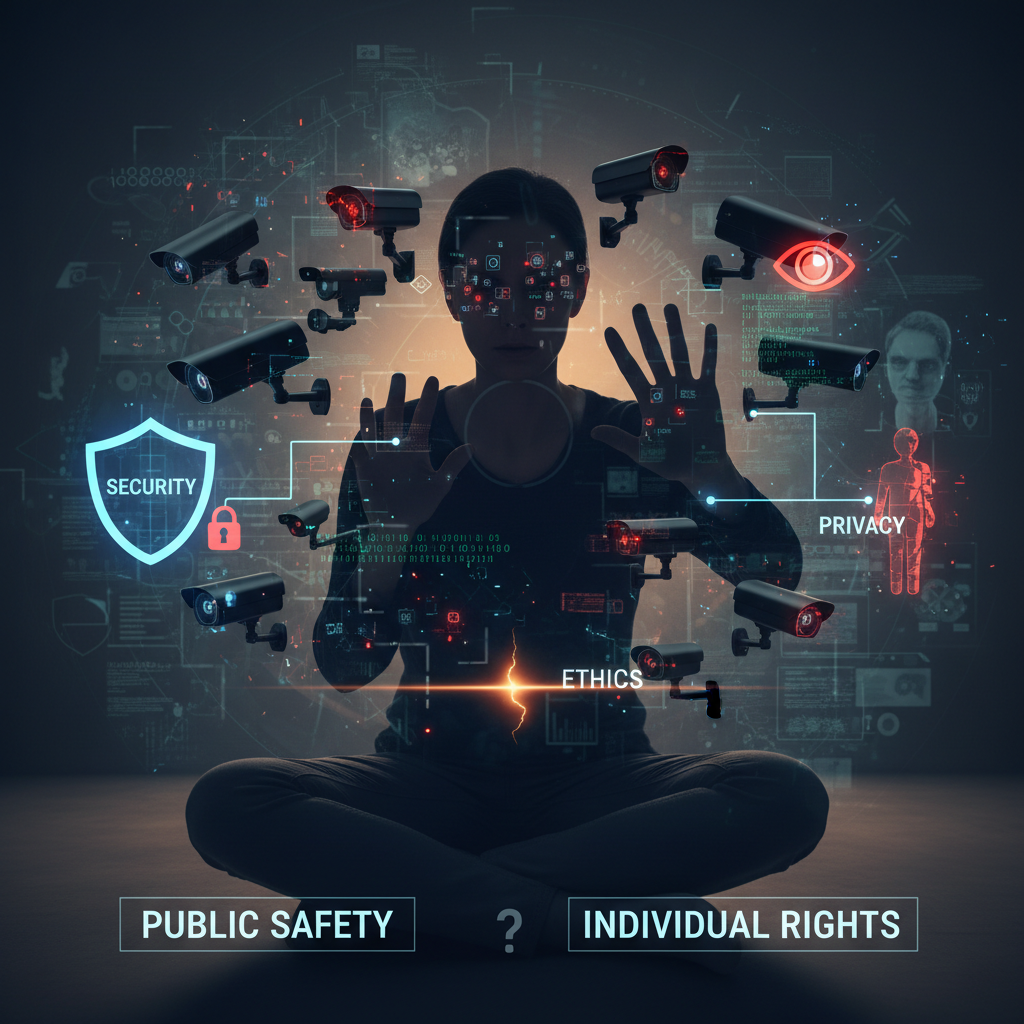
Surveillance technologies have become deeply embedded in our daily lives, offering significant benefits in security and crime prevention but also raising serious ethical concerns about privacy. This article explores the evolution of these technologies and the ongoing challenge of reconciling safety with individual rights.
Evolution and Current State of Surveillance Technologies
The roots of surveillance trace back to simple observation methods used in military and security contexts. The 20th century saw a revolution with the introduction of Closed-Circuit Television (CCTV), which expanded surveillance into public and private spaces. In the digital age, surveillance has advanced further with digital cameras, biometric systems, facial recognition, and AI-powered analytics, enabling real-time monitoring and data processing on an unprecedented scale.
Modern tools such as drones provide aerial surveillance, while digital tracking technologies, including GPS and mobile phone monitoring, allow precise tracking of individual movements. AI integration enhances the efficiency and precision of these systems, but also intensifies ethical concerns.
Security Benefits of Surveillance
Surveillance technologies play a vital role in crime prevention by deterring criminal behavior and supporting law enforcement investigations. Studies show that CCTV and other surveillance tools can lead to significant reductions in crime rates, such as vehicle theft in parking lots and urban crime hotspots.
The knowledge of being watched alone often alters individual behaviors, contributing to crime deterrence. Real-time monitoring helps police respond quickly to incidents. AI-driven analytics further improve early detection of suspicious activities, allowing timely interventions that protect communities.
National security efforts, particularly in counterterrorism, rely heavily on surveillance to detect and prevent threats, showcasing the critical role technology plays in safeguarding nations.
Privacy Concerns and Ethical Dilemmas
Despite the clear benefits, the pervasive use of surveillance technologies raises major ethical questions. Privacy infringement is a primary concern, with individuals’ movements, communications, and personal information being constantly monitored and recorded.
There is a risk of state and corporate overreach, misuse of data, and loss of anonymity and freedom. Biometric systems, while effective for identification, can also enable intrusive tracking and profiling if not properly regulated.
Balancing Act: Security vs. Privacy
Striking a balance between security and privacy is complex. Robust legal and regulatory frameworks are essential to ensure surveillance is transparent, accountable, and respects human rights. Policies must prevent misuse while allowing the benefits of surveillance to enhance public safety.
Public dialogue and societal engagement are critical to shaping these frameworks, fostering trust that surveillance technologies serve the common good without eroding democratic freedoms.
Why This Matters
As surveillance technologies become more sophisticated and widespread, their impact on daily life intensifies. Understanding the ethical implications ensures that security advancements do not come at the cost of fundamental privacy rights. Responsible governance and informed public awareness are crucial to protecting civil liberties in an increasingly monitored world.
Conclusion
Surveillance technologies offer powerful tools for enhancing security and preventing crime. However, their use must be carefully balanced against the rights to privacy and personal freedom. Developing strong, ethical frameworks and transparent policies is essential to harness these technologies responsibly, ensuring they protect society without sacrificing democratic values.