
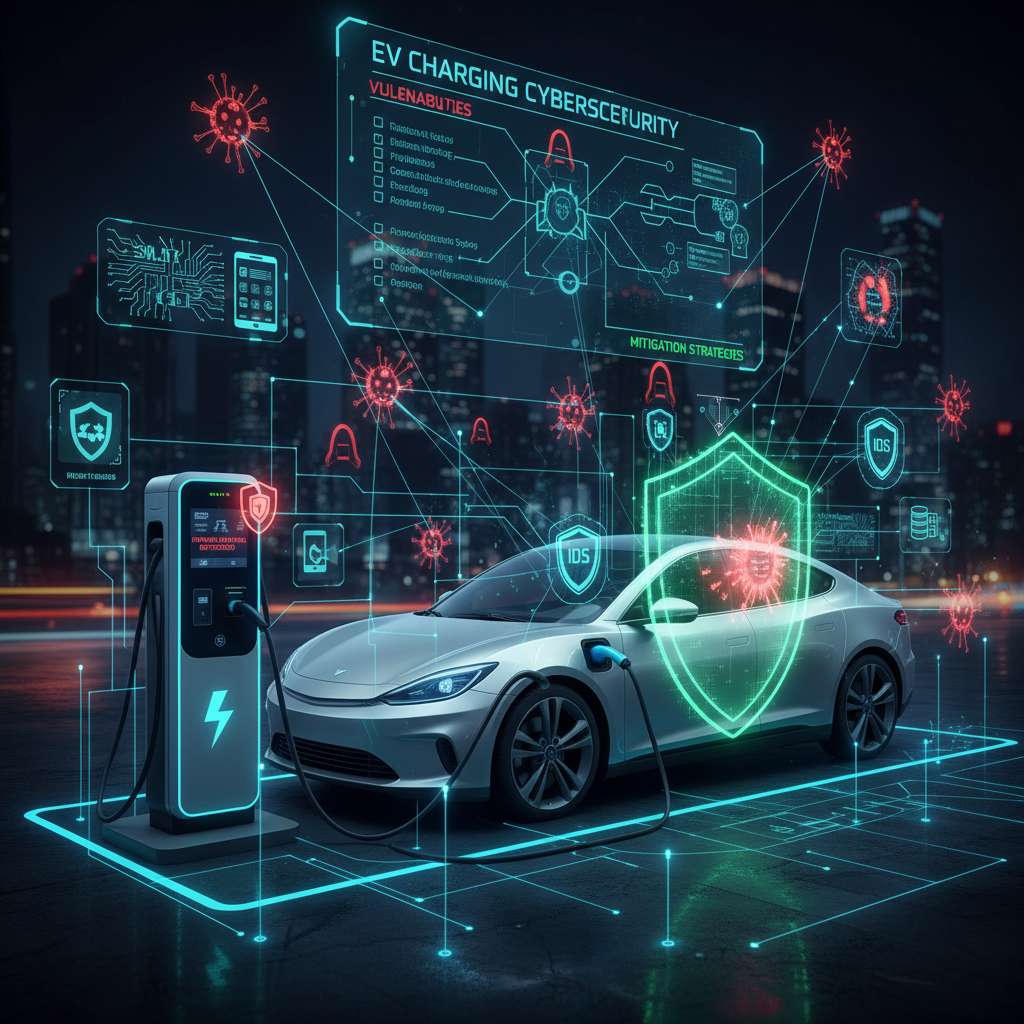
Electric vehicles (EVs) are gaining popularity worldwide, but a growing cybersecurity issue threatens this green technology revolution. Hacking vulnerabilities in EV charging stations are raising alarms among experts, as these breaches can compromise user data and even destabilize power grids.
How EV Chargers are Becoming Targets
Recent incidents highlight cracks in EV charger security. Some hackers have taken control of charging station screens to display political memes or inappropriate content. While these may seem like harmless pranks, they expose much deeper risks. Researchers have found multiple vulnerabilities that could allow hackers to access credit card information, vehicle data, and more alarmingly, control the charging process remotely.
Examples of Security Breaches
- In Russia, hackers changed messages displayed on chargers to spread political statements.
- In England, some public chargers were hacked to broadcast explicit content.
- YouTube creators demonstrated how hackers could take over operating systems of certain charging stations.
Why This Matters
The stakes go beyond mere inconvenience. Experts warn that hackers could potentially manipulate thousands or millions of chargers simultaneously, creating surges in electricity demand that might destabilize or shut down parts of the power grid. This raises concerns reminiscent of previous cyberattacks on critical infrastructure like the Colonial Pipeline hack in 2021.
Current Efforts and Challenges in Securing EV Chargers
The industry is responding by reinforcing security measures and patching vulnerabilities quickly. Yet, a comprehensive regulatory framework for EV charger cybersecurity remains largely absent. Manufacturers and policymakers are gradually working towards establishing robust standards, spurred by initiatives such as the Biden administration’s infrastructure law which includes significant investment in charging networks and cybersecurity discussions.
However, many existing chargers and independent installations remain exposed. Experts recommend consumers avoid connecting home chargers to the internet to reduce risks, while calling for stronger industry accountability and government regulation.
Regulatory Developments
- The U.S. Federal Highway Administration has mandated cybersecurity strategies for federally funded chargers.
- The UK introduced enhanced encryption, tamper detection, and randomized delay functions in its EV charger standards.
- Research institutions are working on frameworks to guide future safe charging technology deployment.
Conclusion
The rapid adoption of electric vehicles brings undeniable environmental benefits, but also new cybersecurity challenges. Addressing the vulnerabilities in EV charging infrastructure is critical to protect users, maintain trust, and secure the power grid. Continuous vigilance, industry collaboration, and clear regulatory standards are essential steps toward a safer EV charging ecosystem.