
Solar technology is advancing rapidly, bringing innovations that are reshaping renewable energy for homeowners, businesses, and utilities alike. In 2026, solar panels are thinner, more efficient, and smarter than ever, increasing energy production and enabling new applications.
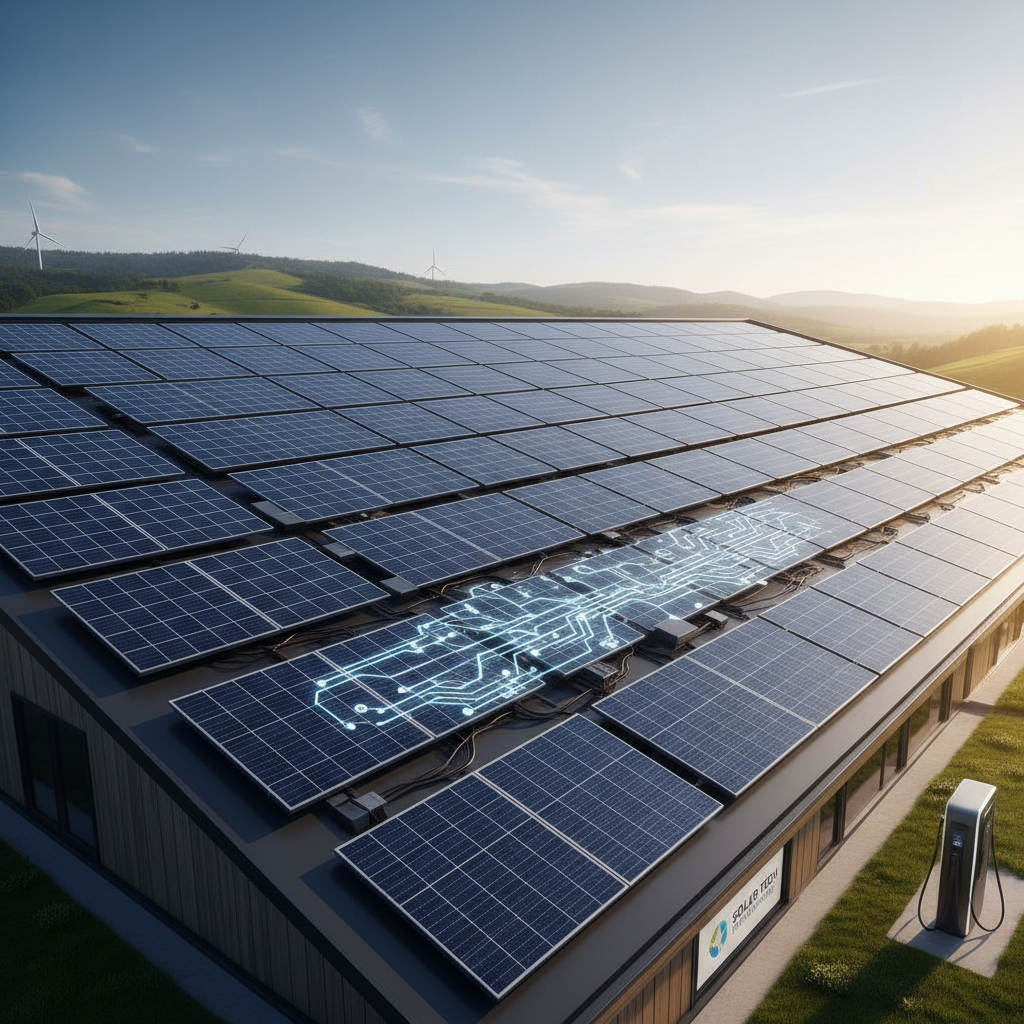
How Much Have Solar Panels Improved?
Solar panel efficiency has dramatically increased over the past decades. Early residential panels had efficiencies around 10%, while today most commercial residential panels range between 20% and 23%. Significant breakthroughs in research have pushed efficiencies even further.
Efficiency Records in 2026
- Research Cell Records: In 2025, LONGi achieved a milestone with 34.85% efficiency on a perovskite-silicon tandem cell, verified by the U.S. National Renewable Energy Laboratory (NREL). These lab-based cells demonstrate the future potential of solar technology.
- Commercial Module Efficiency: Leading manufacturers like Trina Solar have set records with commercial solar panels reaching 25.44% efficiency using advanced heterojunction technology.
- Long-Term Performance: First Solar’s thin-film panels demonstrated 88% of their original efficiency retained after 25 years, showcasing durability and reliability for long-term solar investments.
Solar Panel Technologies Available Today
Solar technology offerings in 2026 have expanded beyond traditional silicon panels.
- Bifacial Panels: These capture sunlight from both front and back, boosting energy output by 5% to 20%, especially useful on commercial rooftops and ground mounts.
- High-Efficiency Monocrystalline Silicon: Panels with efficiencies between 22% and 23% are now standard for residential use.
- Smart Solar Inverters and AI Monitoring: Integrated systems provide real-time performance tracking, predictive maintenance, and optimized energy production.
- Emerging and Experimental Technologies: Perovskite-silicon tandem panels are entering utility-scale markets, while flexible solar panels and transparent solar windows are developing for consumer electronics and building-integrated photovoltaics.
Perovskite Solar Cells: The Next Big Leap
Perovskite is an innovative crystal material that complements and enhances traditional silicon solar cells. It can be manufactured inexpensively at low temperatures and captures wavelengths of sunlight silicon panels miss, enabling tandem cells with record-setting efficiencies.
- Tandem Cells: By stacking perovskite on silicon, these cells maximize sunlight absorption, pushing solar panel efficiency beyond conventional limits.
- Commercial Availability: Utility-scale perovskite panels are shipping now, but residential adoption is expected to expand from 2027 onwards as manufacturing scales.
Additional Innovations Driving Solar Forward
- Flexible and Lightweight Panels: Ultralight fabric solar cells developed by MIT and others enable portable and wearable solar solutions, including solar laptops and camping gear.
- Transparent Solar Panels: Integrated into windows and building facades, these panels generate power while maintaining visibility, expanding solar’s footprint beyond rooftops.
- Smart Solar Systems: Advanced inverters and AI-based monitoring optimize performance, allowing solar setups to predict failures, manage shading losses, and operate seamlessly during grid outages.
- Beyond Silicon: Emerging technologies like thin-film cadmium telluride (CdTe), space-based solar power, and self-healing panels offer promising avenues for future solar applications.
Why This Matters
The accelerated improvement in solar panel technology means more affordable, efficient, and versatile renewable energy options are becoming accessible to a broader range of users. These innovations support global efforts to reduce carbon emissions, lower energy costs, and facilitate energy independence by expanding solar installation possibilities across residential, commercial, and utility scales.
Conclusion
2026 is a transformative year for solar energy, marked by breakthrough materials like perovskite, widespread adoption of bifacial and smart solar technologies, and promising advances in flexible and transparent panels. As these trends continue to develop, solar power is set to become more ubiquitous and impactful than ever before.