
ABB’s long-running electrification plant in Florence, South Carolina, has dramatically reduced its grid reliance by pairing a new solar installation with focused energy upgrades.
Project overview
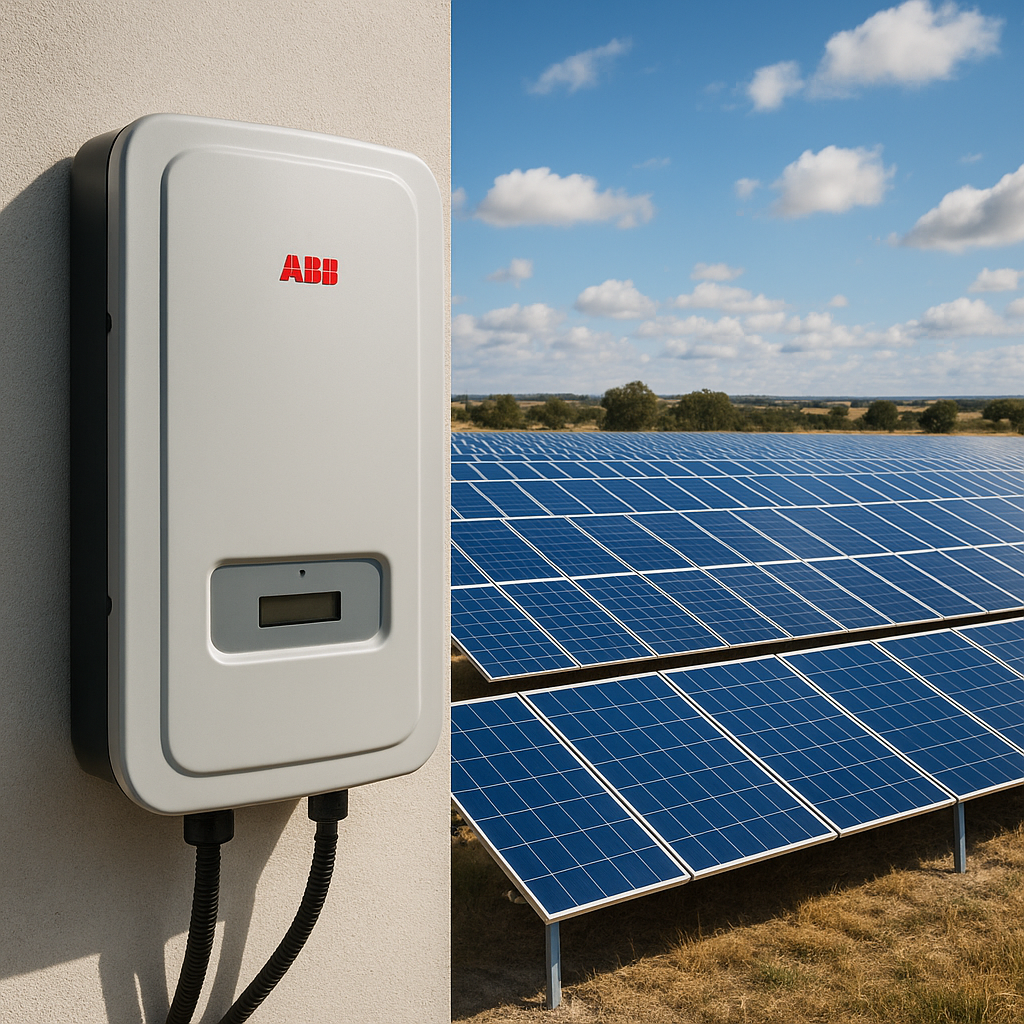
The Florence facility, which has been operating for 47 years, now meets about 80% of its electricity needs using power produced by an 840-kW solar array installed on three adjacent acres. Rather than overhaul the entire plant, ABB pursued a pragmatic mix of on-site renewables and selective modernization to boost performance without major production disruptions.
Energy efficiency and waste reductions
Alongside the solar array, the site has rolled out multiple efficiency measures and waste-management improvements. ABB reports diverting more than 90% of operational waste away from landfills by using a waste-to-energy program for non-recyclable material, while recycling initiatives channel 100% of cardboard, wood and metal to recycling facilities.
Smart monitoring and controls
The Florence site uses ABB Ability Nsight, an energy monitoring platform with more than 20 real-time sensors, to pinpoint energy losses and guide incremental upgrades. The plant also implemented ABB INTEGRA Supervisory Building Control to automate and optimize energy-intensive systems, enabling smarter operations without full equipment replacements.
Part of ABB’s Mission to Zero
The project is a milestone in ABB’s Mission to Zero effort, which combines digital energy solutions and renewables with emissions- and waste-reduction targets as part of a broader aim to reach net-zero operations by 2050. ABB leaders say the Florence upgrades demonstrate how older industrial sites can modernize efficiently and improve resilience while supporting sustainability goals.
Why this matters
ABB’s approach shows a replicable path for manufacturers: combining modest on-site renewables with data-driven efficiency measures can cut emissions and energy costs without costly, disruptive capital projects. For communities and the grid, increased on-site generation can reduce local demand peaks and improve supply resilience.
Conclusion
The Florence facility illustrates a practical model for industrial decarbonization—targeted upgrades, smart controls and adjacent solar can deliver substantial reductions in grid dependence and waste while keeping plants productive and profitable.