
Hong Kong International Airport is ramping up facial-recognition immigration lanes to help travelers move through arrival control faster.
Overview of the expansion
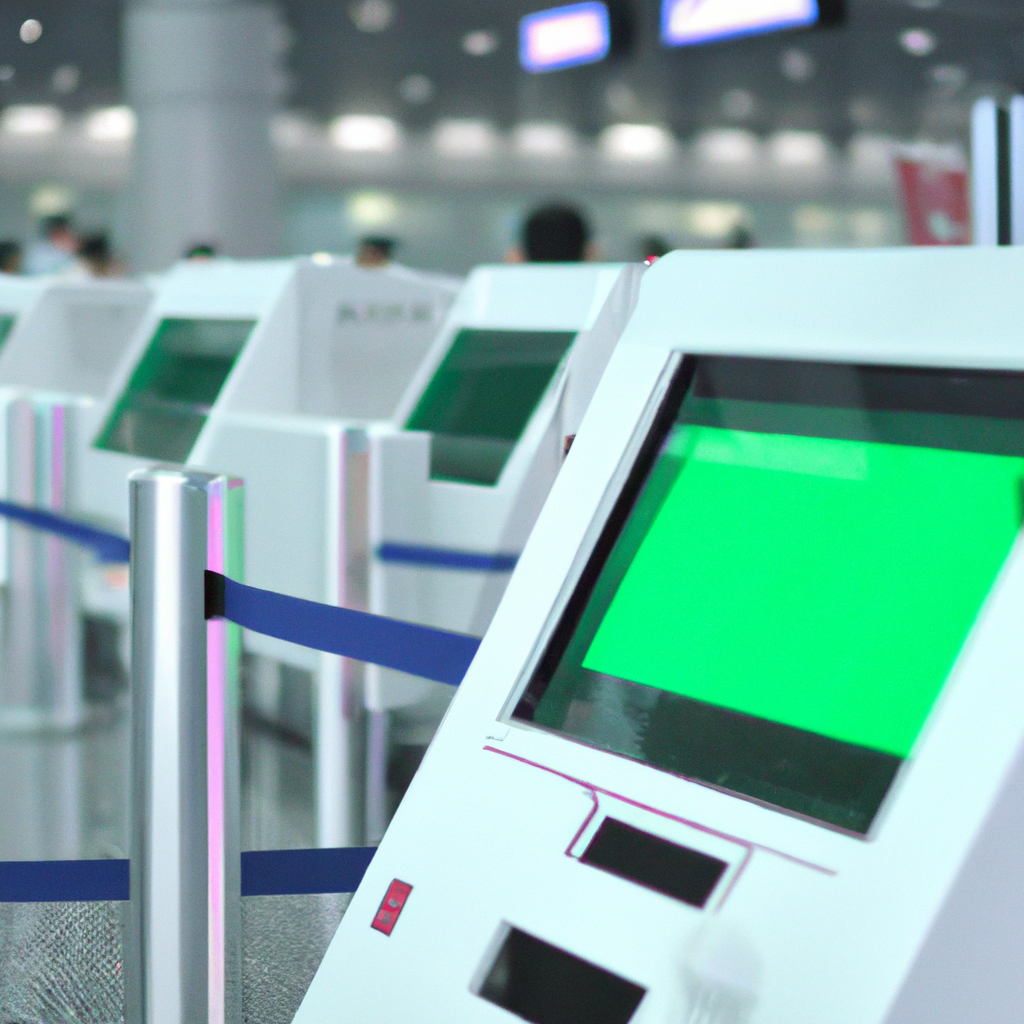
The airport has rolled out 12 additional automated biometric arrival lanes — part of a broader deployment of new e-Channels. These facial-recognition lanes let eligible Hong Kong residents complete immigration checks using a face scan, eliminating the need for a smart ID card scan, QR code or fingerprint at arrival kiosks.
How the new e-Channels work
The upgraded lanes, branded as Face Easy e-Channels, rely primarily on facial biometric matching to verify identity. Key points:
- Arriving eligible residents scan their face to trigger identity verification.
- The process removes the separate card- or QR-based steps that older e-Channel machines require.
- These lanes are focused on arrival clearance; a separate biometric suite (Flight Token) handles many departure steps, such as self-check-in, baggage drop and boarding via facial recognition.
Rollout timeline and capacity goals
The 12 new lanes are part of an initial tranche of 26 replacement e-Channels being introduced in stages. The Hong Kong Immigration Department expects the full upgrade to reach 52 biometric e-Channels by 2027 as older units are phased out.
Airport context and passenger volumes
HKIA is one of the world’s busiest hubs, processing tens of millions of passengers annually. The airport handled about 61 million travelers in 2025 and has been investing in automation and biometric services to improve throughput and passenger experience.
Why this matters
Expanding biometric e-Channels affects travelers and border operations in several ways:
- Faster processing: Facial-only clearance reduces steps and queues at arrival immigration.
- Operational efficiency: More automated lanes can ease staffing pressure and speed peak-period throughput.
- Integrated travel experience: With biometric departure services already in place, arrivals automation creates a more seamless end-to-end passenger journey.
- Scalability: A planned increase to 52 lanes signals a long-term commitment to biometric systems across the terminal.
Recognition and related developments
HKIA’s drive to modernize has coincided with industry recognition: it was named “Best Airport in the World” at the 2026 Global Travel Awards and has been repeatedly honored in regional travel awards. The airport’s biometric investments — including the Flight Token departure service launched in 2022 — form part of that customer-focused modernization push.
Conclusion
By expanding facial-recognition e-Channels, Hong Kong International Airport aims to reduce arrival wait times and create a smoother passenger experience. The staged rollout to 52 lanes by 2027 will increase automated capacity and further integrate biometric technology into travel operations.